Choosing the Right Metal Hat Channel Sizes for Wall and Ceiling Systems
In the world of modern construction, metal hat channels have become indispensable for building stable, level, and long-lasting wall and ceiling frameworks. These versatile components offer strength, corrosion resistance, and compatibility with various materials such as drywall, gypsum board, and fiber cement panels. However, the performance and durability of the entire structure largely depend on selecting the right metal hat channel sizes. Understanding how size influences strength, spacing, and installation is key to achieving superior results in any construction project.
What Is a Metal Hat Channel?
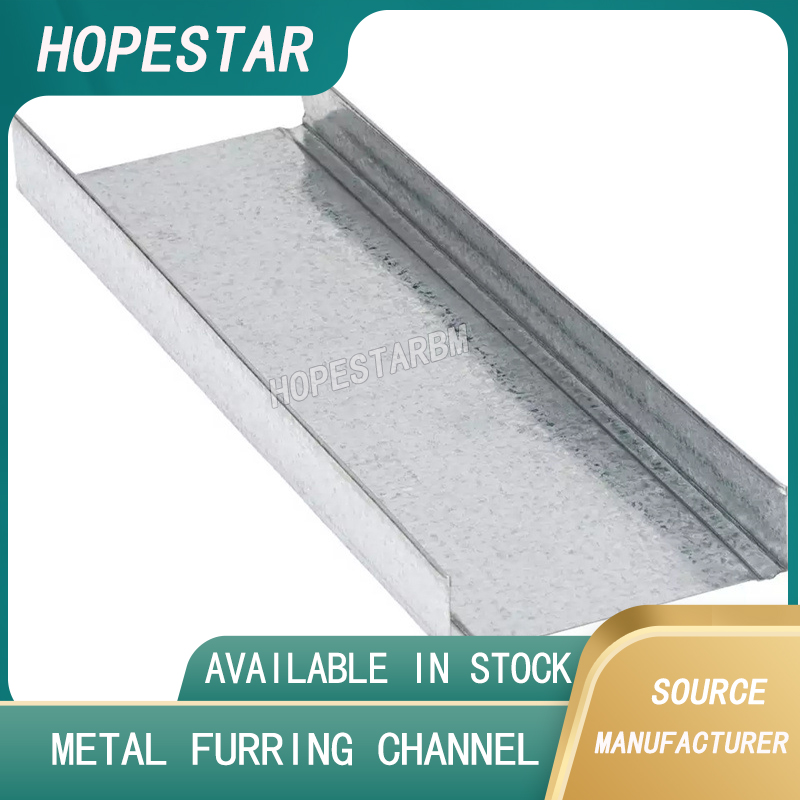
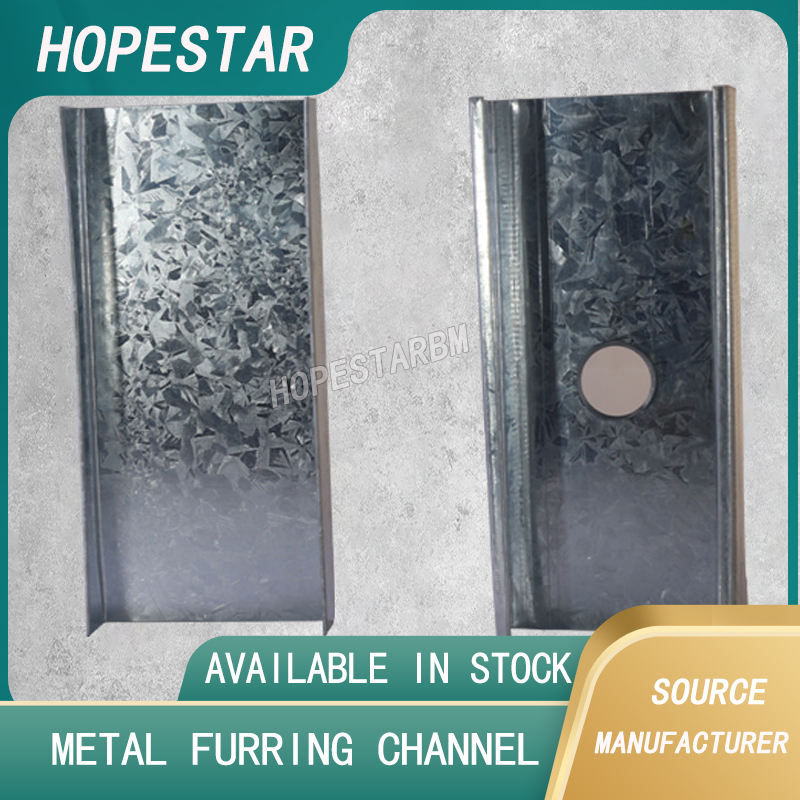
A metal hat channel is a cold-formed steel profile shaped like a hat—featuring a flat top and sloping flanges on each side. This unique design provides excellent rigidity while minimizing material weight. Metal hat channels are commonly used for wall furring, ceiling suspension, and exterior cladding systems. They create a secure base for fixing panels and help ensure even, smooth surfaces throughout construction.
These channels are typically made from galvanized steel or aluminum, materials known for their strength and resistance to moisture and rust. Because of their structural advantages, metal hat channels are widely used in both residential and commercial projects.
Standard Metal Hat Channel Sizes
Metal hat channel sizes vary based on the application, load requirements, and design specifications. Common dimensions include:
-
Width: 25mm to 75mm (1" to 3")
-
Depth: 13mm to 38mm (½" to 1½")
-
Thickness (Gauge): 0.5mm to 1.2mm (25 to 20 gauge)
-
Length: 8 to 12 feet (custom sizes available upon request)
For lightweight interior applications, a shallow 13mm or 25mm channel is ideal. In contrast, for heavy-duty ceilings, external cladding, or wide-span installations, deeper and thicker channels—like 38mm or 50mm—are recommended.
Why Metal Hat Channel Size Matters
Choosing the correct metal hat channel size ensures the structure can bear the intended load without deformation or cracking. Larger channels increase rigidity and allow greater spacing between supports, reducing material usage and labor costs. On the other hand, smaller profiles are easier to handle in compact spaces and provide a cost-efficient solution for lightweight installations.
Incorrect sizing may lead to issues such as sagging ceilings, misaligned panels, or structural noise. Therefore, understanding the correct dimensions and matching them to your project’s needs is essential for achieving lasting results.
Applications of Different Metal Hat Channel Sizes
-
Interior Walls:
Smaller metal hat channels (13mm–25mm depth) are used for drywall and furring applications. They provide a flat, even surface for attaching boards while maintaining alignment. -
Suspended Ceilings:
Medium to deep channels (30mm–38mm) are preferred for ceiling frameworks, providing excellent load-bearing capacity and preventing sagging. -
Exterior Cladding and Facades:
Larger and thicker channels (38mm–50mm depth, 1.0–1.2mm thickness) are suitable for exterior systems. Their corrosion-resistant coatings withstand moisture and temperature changes. -
Soundproof and Fire-Resistant Assemblies:
Certain projects require metal hat channels combined with resilient clips to improve acoustic and fire performance. The right channel size helps optimize sound isolation and thermal resistance.
Key Benefits of Using Proper Metal Hat Channel Sizes
-
Superior Structural Strength: Correctly sized channels support heavy panels and distribute weight evenly.
-
Improved Acoustic Insulation: Deeper channels enhance sound absorption when paired with insulation materials.
-
Thermal Efficiency: The spacing created by the channel system allows better placement of insulation, reducing energy loss.
-
Corrosion and Moisture Resistance: Galvanized metal hat channels resist rust, making them ideal for humid environments.
-
Easy Installation: Standardized channel sizes simplify alignment and fastening during installation.
Installation Tips
-
Always verify the metal hat channel size based on the ceiling height, panel thickness, and expected load.
-
Follow manufacturer recommendations for spacing and fastener type.
-
Use corrosion-resistant screws and clips for areas exposed to moisture.
-
When cutting channels, ensure edges are properly treated to prevent rust.
-
Check level and alignment frequently during installation for professional results.
Selecting the Best Metal Hat Channel for Your Project
When choosing a metal hat channel size, consider both structural and environmental factors. For instance, commercial ceilings often require thicker steel gauges for stability, while residential projects can use lighter options. Coastal areas or basements should always use galvanized or aluminum materials to resist humidity and corrosion.
Partnering with a trusted manufacturer or supplier ensures that your channels meet international standards for load performance and durability. Quality control and precise sizing guarantee the integrity and longevity of your construction.
Conclusion
In summary, selecting the right metal hat channel sizes is a fundamental part of achieving reliable, efficient, and aesthetically pleasing construction. Each size serves a specific purpose—from supporting lightweight drywall to reinforcing heavy exterior systems. By understanding the relationship between depth, gauge, and application, builders can ensure that every wall and ceiling system performs at its best. Investing in high-quality metal hat channels not only strengthens the structure but also enhances the overall appearance and lifespan of the project.
Understanding Metal Stud Deflection Track and Its Importance in Wall Systems
Understanding Hat Channel Sizes and Their Role in Construction Systems
Related Article