
Characteristics and Applications of South American Horizontal Dragon Bone
2025-04-07
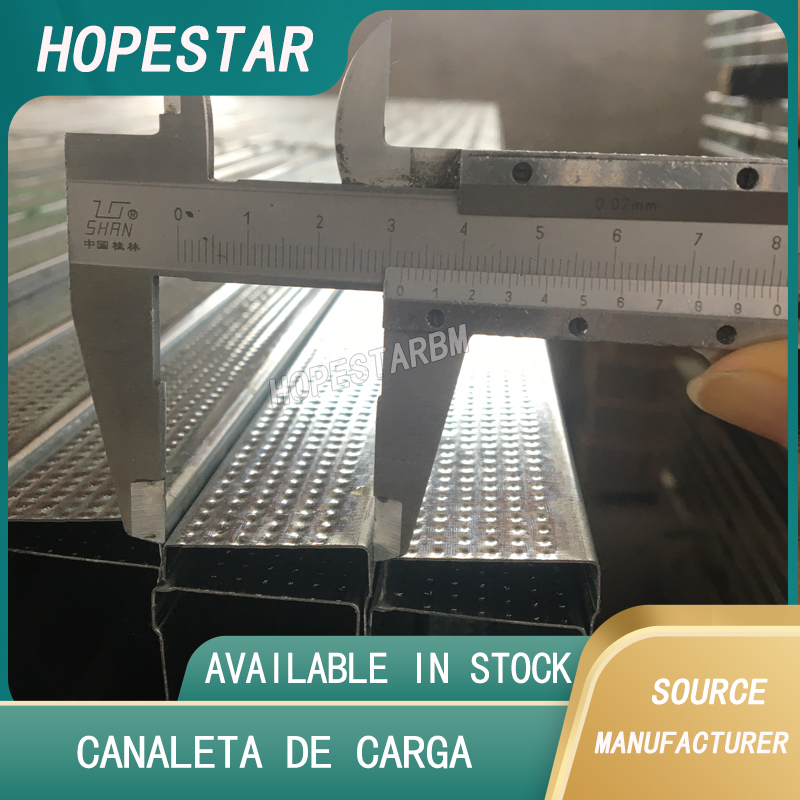
In the construction of buildings in South American countries, light steel structure ceiling systems are widely used, and horizontal keels (also known as cross bracing keels, secondary keels) are an indispensable and important component of the ceiling system. It mainly serves to connect and stabilize the main keel, ensuring the flatness and firmness of the overall structure, and is suitable for various building spaces such as shopping malls, office buildings, residences, schools, etc.
1、 Reasonable structural design, stable and reliable connection
The horizontal keel is usually connected to the main keel through plug-in or snap fastener methods, forming a stable frame system.
Its design has good load-bearing and bending resistance, which can effectively disperse the load on the ceiling and prevent structural deformation and sinking.
In areas with frequent earthquakes in South America, the strengthening effect of horizontal keels is particularly important to enhance the seismic stability of suspended ceiling systems.
2、 Adapt to the diverse demands of the South American market
In terms of material, South American horizontal keels are mostly processed with hot-dip galvanized steel strips, which are corrosion-resistant and durable, suitable for high humidity coastal areas such as Brazil and Colombia.
Common specifications include 22 × 24, 38 × 12, 26 × 24, etc. The length is generally 3 meters or customized according to customer needs, suitable for various ceiling structures.
Quick installation, standardized structure, widely used in systems such as T-shaped ceilings, mineral wool board ceilings, aluminum buckle board ceilings, etc., highly favored by construction teams.
3、 Environmentally friendly and energy-saving, in line with the trend of green buildings
The horizontal keel can be reused, with a high material recovery rate and no pollution during the construction process, which meets the increasingly important environmental protection building standards in South America.
The characteristics of lightweight and high strength not only reduce transportation costs, but also reduce the impact of ceiling structures on overall building loads, improving energy efficiency and safety.
No additional chemical treatment or surface coating is required, making it greener and healthier, suitable for places with high environmental requirements such as hospitals and schools.
Summary:
As a key component of the ceiling system, the South American horizontal keel exhibits significant advantages in structural support, corrosion resistance, durability, quick installation, and environmental protection and energy conservation. With the continuous development of prefabricated buildings and green construction in the South American market, the demand for horizontal keels will continue to grow, making them an indispensable and important building material in modern ceiling construction.
1、 Reasonable structural design, stable and reliable connection
The horizontal keel is usually connected to the main keel through plug-in or snap fastener methods, forming a stable frame system.
Its design has good load-bearing and bending resistance, which can effectively disperse the load on the ceiling and prevent structural deformation and sinking.
In areas with frequent earthquakes in South America, the strengthening effect of horizontal keels is particularly important to enhance the seismic stability of suspended ceiling systems.
2、 Adapt to the diverse demands of the South American market
In terms of material, South American horizontal keels are mostly processed with hot-dip galvanized steel strips, which are corrosion-resistant and durable, suitable for high humidity coastal areas such as Brazil and Colombia.
Common specifications include 22 × 24, 38 × 12, 26 × 24, etc. The length is generally 3 meters or customized according to customer needs, suitable for various ceiling structures.
Quick installation, standardized structure, widely used in systems such as T-shaped ceilings, mineral wool board ceilings, aluminum buckle board ceilings, etc., highly favored by construction teams.
3、 Environmentally friendly and energy-saving, in line with the trend of green buildings
The horizontal keel can be reused, with a high material recovery rate and no pollution during the construction process, which meets the increasingly important environmental protection building standards in South America.
The characteristics of lightweight and high strength not only reduce transportation costs, but also reduce the impact of ceiling structures on overall building loads, improving energy efficiency and safety.
No additional chemical treatment or surface coating is required, making it greener and healthier, suitable for places with high environmental requirements such as hospitals and schools.
Summary:
As a key component of the ceiling system, the South American horizontal keel exhibits significant advantages in structural support, corrosion resistance, durability, quick installation, and environmental protection and energy conservation. With the continuous development of prefabricated buildings and green construction in the South American market, the demand for horizontal keels will continue to grow, making them an indispensable and important building material in modern ceiling construction.
Z metal corner bead sizes
Characteristics of South American light steel keel
Related Article

Ceiling wall angle, also known as perimeter angle or L-angle, is an indispensable L-shaped metal profile for suspended drywall ceiling systems. Roll-formed from cold-rolled galvanized steel, ceiling wall angle is fixed along the wall perimeter to support the ends of main channels and furring channels,
Ceiling Wall Angle – Galvanized L-Shaped Perimeter Trim for Suspended Drywall Ceilings
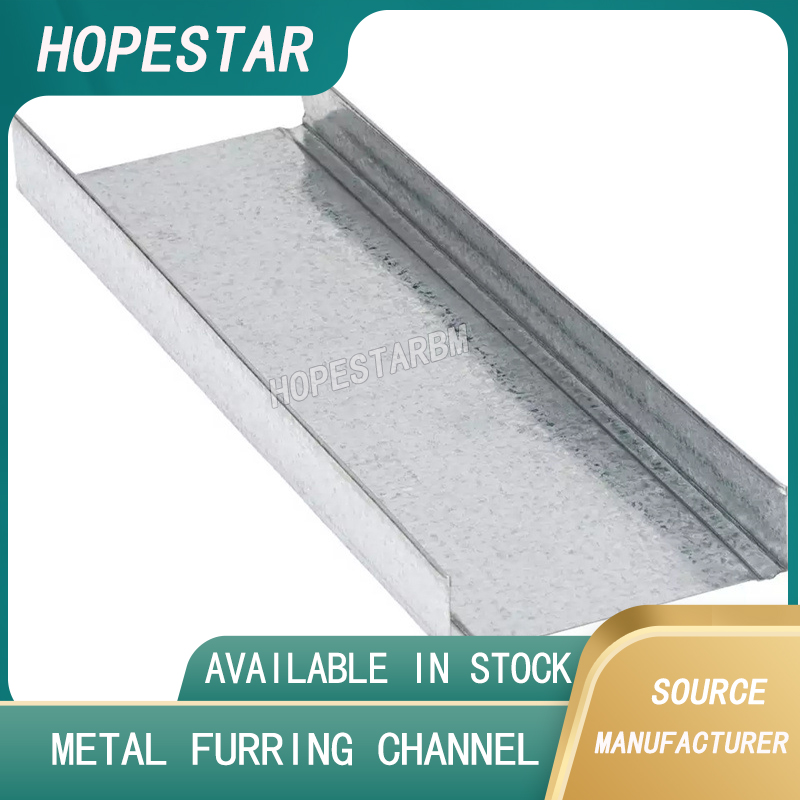
Galvanized steel profiles are the foundational metal framing components widely used in modern interior construction. Roll-formed from cold-rolled steel coated with protective zinc layer, galvanized steel profiles cover a full range of shapes including C studs, U tracks, omega channels,
Galvanized Steel Profiles – Reliable Cold Rolled Framing for Drywall Walls and Ceilings

Metal furring channel for ceiling is a vital secondary framing component widely used in suspended ceiling and drywall ceiling systems. Roll-formed from cold-rolled galvanized steel, this lightweight metal profile works together with main channels, hangers and wall angles to create a level,
Metal Furring Channel for Ceiling – Galvanized Secondary Framing for Suspended Drywall Ceilings

Metal omega channel, also widely called omega furring channel or hat channel, is an indispensable secondary metal framing profile for modern suspended ceilings and drywall wall furring systems. Named after its distinctive Ω shape, this profile is roll-formed from cold-rolled galvanized steel
Metal Omega Channel – Galvanized Omega Furring Channel for Drywall Ceiling and Wall Framing