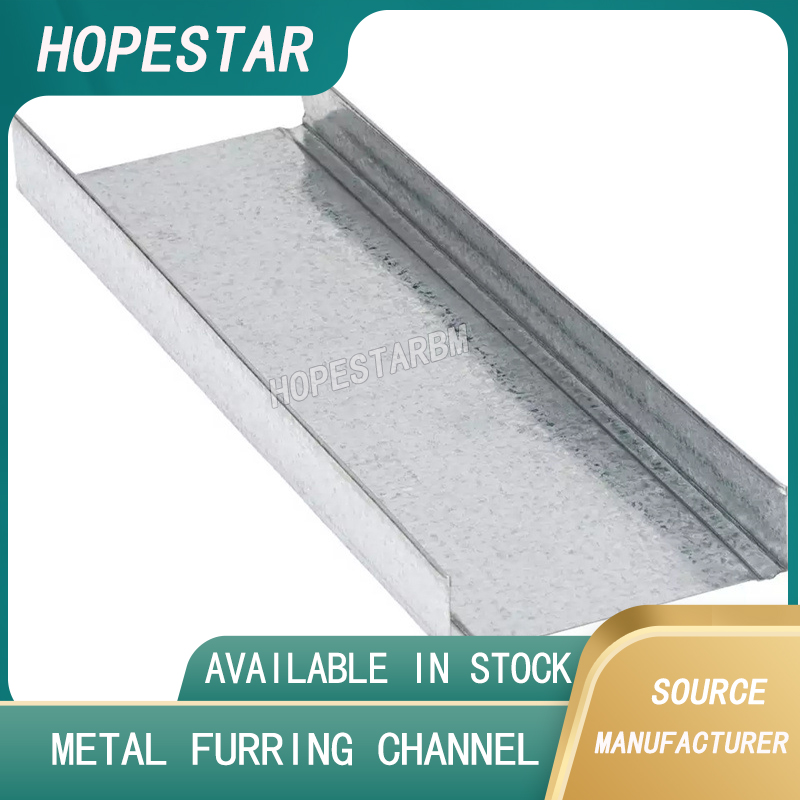
Characteristics and Advantages of Canadian Light Steel Framing
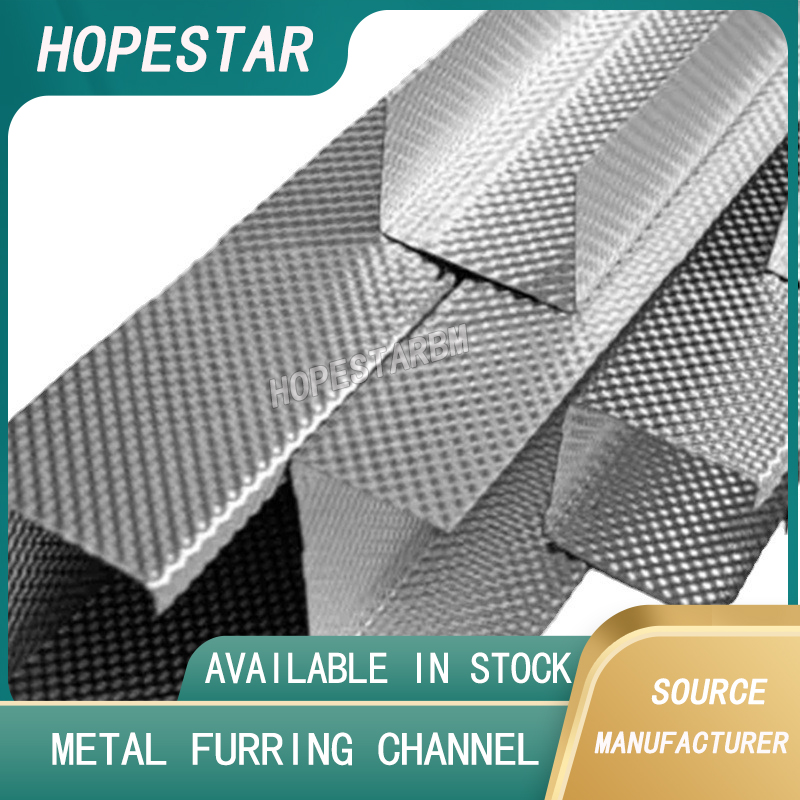
Canadian light steel framing is a widely used metal structural material in suspended ceilings and partition walls, highly valued in the market for its excellent performance and high quality. Its main characteristics and advantages include:
1. High strength and lightweight design
Canadian light steel framing is made from high-quality cold-rolled galvanized steel, offering great strength while being lightweight. This significantly reduces the overall weight of the construction, helping to improve construction efficiency and reduce costs related to structural load capacity.
2. Excellent corrosion resistance
The galvanizing process creates a dense protective layer on the surface of the framing, effectively protecting against moisture, salt, and other corrosive factors. This makes it especially suitable for Canada’s variable climate conditions, including humid and cold environments.
3. Precise dimensions and good stability
Canadian steel framing features standardized dimensions and precise cutting that facilitate installation. This ensures the flatness and stability of wall and ceiling systems, reducing the risk of cracks and deformation and improving overall construction quality.
4. Good fire resistance performance
Light steel framing is non-combustible, and when used together with fire-resistant materials like gypsum boards, it effectively enhances the fire safety rating of buildings, complying with Canadian and international fire safety standards.
5. Environmentally friendly and recyclable
Steel is 100% recyclable, aligning with the principles of sustainable and environmentally friendly construction, reducing resource waste.
6. Easy installation and shorter construction time
Installation of light steel framing is a dry process, flexible, and allows for quick assembly and disassembly. It is ideal for spaces with complex designs and significantly shortens construction timelines.
Metal Corner Bead: The Essential Solution for Strong and Perfect Drywall Corners
Metal Furring Sizes: Common Dimensions and Their Applications
Related Article