
Channel Steel
2026-07-20
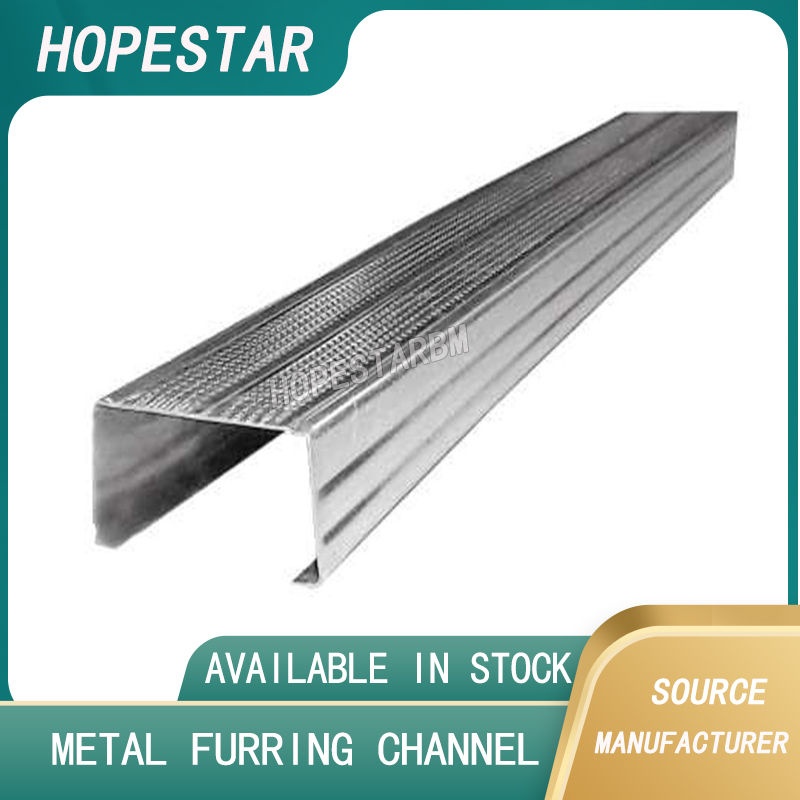
Channel steel, also known as U-channel steel, is a widely used hot-rolled structural steel with a unique U-shaped cross-section. As a fundamental building and industrial material, channel steel features a flat web and two parallel flanges, delivering outstanding mechanical strength, structural stability, and cost performance. It is extensively adopted in residential construction, commercial buildings, industrial workshops, bridge engineering, and mechanical equipment manufacturing. Favored by engineers and contractors globally, standard channel steel remains an indispensable component in modern structural steel projects due to its versatile functionality and reliable performance.
The distinctive structural design is the core advantage of channel steel. Its integrated U-shaped structure effectively disperses pressure and bears vertical and horizontal loads, providing excellent bending resistance and torsional resistance compared to ordinary flat steel. Manufactured through professional hot-rolling processes, high-quality channel steel has uniform texture, stable size, and high overall rigidity. It is not easy to deform under heavy load or harsh external force, ensuring long-term structural stability of buildings and mechanical frames. Various specification sizes ranging from small lightweight models to heavy-duty industrial types can meet diverse engineering load requirements.
Durability and environmental adaptability make channel steel suitable for complex construction scenarios. Most channel steel products undergo galvanization and anti-corrosion treatments, effectively resisting oxidation, rust, and moisture erosion. It can stably serve in high-humidity, outdoor exposed, and industrial corrosive environments without frequent maintenance. Different from fragile building materials, channel steel boasts strong weather resistance, adapting to temperature changes and harsh climatic conditions. Its long service life greatly reduces material replacement costs and later maintenance expenses for engineering projects.
Easy processing and flexible installation further enhance its practical value. Channel steel can be freely cut, welded, drilled, and spliced according to construction needs, supporting customized structural production. It is compatible with metal frame construction, steel plate components, and various building wall materials, perfectly matching the assembly-type construction mode. The lightweight yet high-strength feature reduces overall building load, shortens on-site construction cycles, and improves engineering efficiency, which is highly in line with modern fast and green construction standards.
In practical applications, channel steel covers a wide range of scenarios. It is commonly used for building steel frames, wall support structures, ceiling keel frames, and floor bearing brackets in construction projects. In the industrial field, it serves as mechanical equipment bases, support frames, and conveyor rail structures. Additionally, it is widely applied in bridge reinforcement, guardrail production, and warehouse shelf manufacturing, showing extremely high engineering practicability and universality.
To sum up, channel steel is a high-quality, multi-functional structural steel material with stable performance and wide applicability. Its superior load-bearing capacity, anti-deformation performance, and easy construction features make it a core material for modern steel structure engineering. Whether for new building construction, structural reinforcement, or mechanical manufacturing, standard channel steel can provide reliable, economical, and durable structural solutions.
Metal Frame Construction
Aluminum Foil EPE Foam Insulation
Related Article

Ceiling wall angle, also known as perimeter angle or L-angle, is an indispensable L-shaped metal profile for suspended drywall ceiling systems. Roll-formed from cold-rolled galvanized steel, ceiling wall angle is fixed along the wall perimeter to support the ends of main channels and furring channels,
Ceiling Wall Angle – Galvanized L-Shaped Perimeter Trim for Suspended Drywall Ceilings
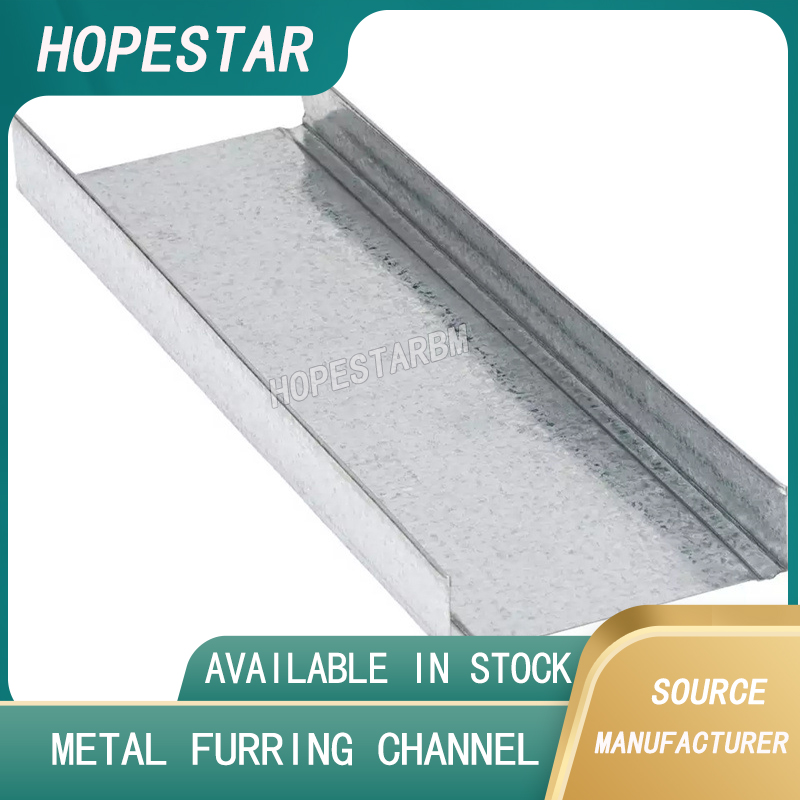
Galvanized steel profiles are the foundational metal framing components widely used in modern interior construction. Roll-formed from cold-rolled steel coated with protective zinc layer, galvanized steel profiles cover a full range of shapes including C studs, U tracks, omega channels,
Galvanized Steel Profiles – Reliable Cold Rolled Framing for Drywall Walls and Ceilings

Metal furring channel for ceiling is a vital secondary framing component widely used in suspended ceiling and drywall ceiling systems. Roll-formed from cold-rolled galvanized steel, this lightweight metal profile works together with main channels, hangers and wall angles to create a level,
Metal Furring Channel for Ceiling – Galvanized Secondary Framing for Suspended Drywall Ceilings

Metal omega channel, also widely called omega furring channel or hat channel, is an indispensable secondary metal framing profile for modern suspended ceilings and drywall wall furring systems. Named after its distinctive Ω shape, this profile is roll-formed from cold-rolled galvanized steel
Metal Omega Channel – Galvanized Omega Furring Channel for Drywall Ceiling and Wall Framing