
chamfer corner bead
2024-07-23
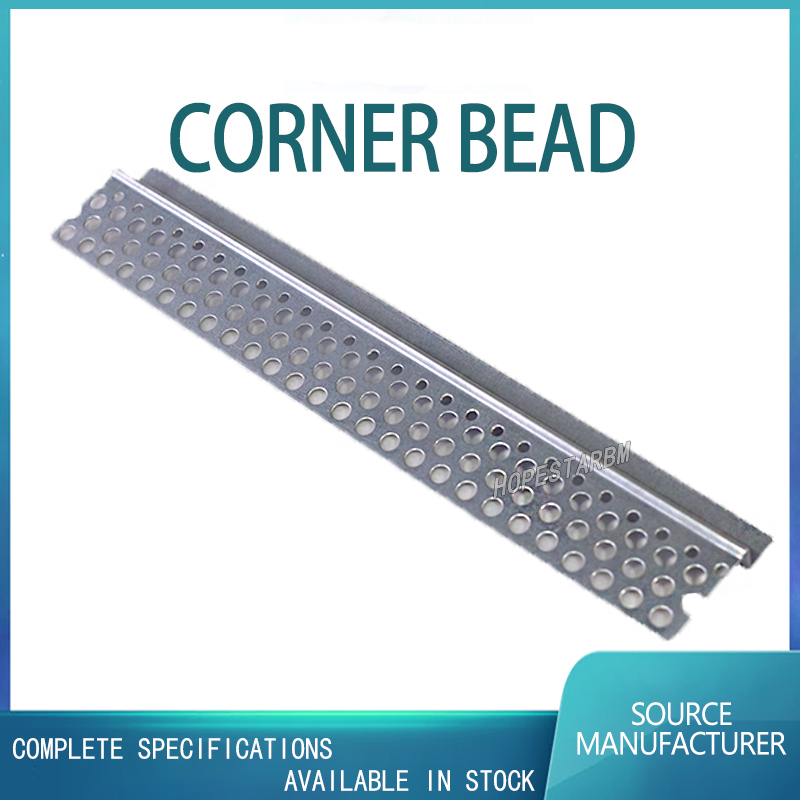
1)、 Definition and function of chamfer corner bead
chamfer corner bead, As the name suggests, it is a rounded structure with a certain angle and radius formed at the edge or corner of an object. This structure not only enhances the aesthetics of the object, but more importantly, it improves the safety and functionality of the object. In the physical world, sharp edges and corners often cause harm, both to the human body and to the device itself. By introducing chamfer corner beads, we can effectively reduce this potential risk.
2)、 Application areas of chamfer corner bead
The application scope of chamfer corner bead is very wide, covering almost all manufacturing fields that require edge processing. Here are some specific application examples:
1. Architecture and Home Furnishings: In architecture and home design, chamber corner beads are commonly used for corner treatment of furniture, doors, windows, stairs, and other components. It can not only prevent people from accidentally hitting sharp corners and getting injured in daily life, but also increase the aesthetics and comfort of furniture.
2. Automobile manufacturing: In automobile manufacturing, chamfer corner beads are widely used for corner treatment of body, interior and other components. By optimizing the corner design, the risk of passengers getting injured in accidents can be reduced and the safety of the car can be improved.
3. Electronic products: Chamber corner beads also play an important role in the design and manufacturing of electronic products. It can not only improve the appearance quality of the product, but also reduce damage caused by sharp edges during production and transportation.
4. Medical equipment: The application of chamfer corner beads is particularly important in the manufacturing of medical equipment. Due to the close contact between medical equipment and the human body, any sharp edges or corners may cause harm to patients. Therefore, in the design and manufacturing process of medical equipment, the application of chamfer corner beads must be fully considered.
3)、 Design and optimization of chamfer corner bead
Although the application of chamfer corner bead is widespread and important, how to design and optimize this structure is a problem that requires in-depth research. Here are some suggestions for the design and optimization of chamber corner beads:
1. Determine the appropriate angle and radius: The angle and radius of the chamber corner bead need to be determined according to the specific application scenario. Generally speaking, the larger the angle and radius, the higher the safety, but the aesthetics and functionality may be affected to some extent. Therefore, in the design process, it is necessary to weigh various factors and find the best balance point.
2. Choosing the appropriate material: The material selection for the chamber corner bead is equally important. Different materials have different physical and chemical properties and are suitable for different application scenarios. For example, for components that need to withstand high pressure or high temperature, materials with excellent mechanical properties and thermal stability should be selected.
3. Optimize processing technology: The processing technology of the chamfer corner bead has a significant impact on its quality and performance. By optimizing the processing technology, the accuracy and surface quality of the chamfer corner bead can be improved, thereby enhancing its safety and functionality.
4. Consider humanized design: When designing the chamfer corner bead, it is also necessary to fully consider humanized factors. For example, in home design, the height and angle of the chamber corner bead can be determined based on ergonomic principles to better meet human comfort requirements.
chamfer corner bead, As the name suggests, it is a rounded structure with a certain angle and radius formed at the edge or corner of an object. This structure not only enhances the aesthetics of the object, but more importantly, it improves the safety and functionality of the object. In the physical world, sharp edges and corners often cause harm, both to the human body and to the device itself. By introducing chamfer corner beads, we can effectively reduce this potential risk.
2)、 Application areas of chamfer corner bead
The application scope of chamfer corner bead is very wide, covering almost all manufacturing fields that require edge processing. Here are some specific application examples:
1. Architecture and Home Furnishings: In architecture and home design, chamber corner beads are commonly used for corner treatment of furniture, doors, windows, stairs, and other components. It can not only prevent people from accidentally hitting sharp corners and getting injured in daily life, but also increase the aesthetics and comfort of furniture.
2. Automobile manufacturing: In automobile manufacturing, chamfer corner beads are widely used for corner treatment of body, interior and other components. By optimizing the corner design, the risk of passengers getting injured in accidents can be reduced and the safety of the car can be improved.
3. Electronic products: Chamber corner beads also play an important role in the design and manufacturing of electronic products. It can not only improve the appearance quality of the product, but also reduce damage caused by sharp edges during production and transportation.
4. Medical equipment: The application of chamfer corner beads is particularly important in the manufacturing of medical equipment. Due to the close contact between medical equipment and the human body, any sharp edges or corners may cause harm to patients. Therefore, in the design and manufacturing process of medical equipment, the application of chamfer corner beads must be fully considered.
3)、 Design and optimization of chamfer corner bead
Although the application of chamfer corner bead is widespread and important, how to design and optimize this structure is a problem that requires in-depth research. Here are some suggestions for the design and optimization of chamber corner beads:
1. Determine the appropriate angle and radius: The angle and radius of the chamber corner bead need to be determined according to the specific application scenario. Generally speaking, the larger the angle and radius, the higher the safety, but the aesthetics and functionality may be affected to some extent. Therefore, in the design process, it is necessary to weigh various factors and find the best balance point.
2. Choosing the appropriate material: The material selection for the chamber corner bead is equally important. Different materials have different physical and chemical properties and are suitable for different application scenarios. For example, for components that need to withstand high pressure or high temperature, materials with excellent mechanical properties and thermal stability should be selected.
3. Optimize processing technology: The processing technology of the chamfer corner bead has a significant impact on its quality and performance. By optimizing the processing technology, the accuracy and surface quality of the chamfer corner bead can be improved, thereby enhancing its safety and functionality.
4. Consider humanized design: When designing the chamfer corner bead, it is also necessary to fully consider humanized factors. For example, in home design, the height and angle of the chamber corner bead can be determined based on ergonomic principles to better meet human comfort requirements.
hat channel for drywall
14 gauge hat channel
Related Article

Ceiling wall angle, also known as perimeter angle or L-angle, is an indispensable L-shaped metal profile for suspended drywall ceiling systems. Roll-formed from cold-rolled galvanized steel, ceiling wall angle is fixed along the wall perimeter to support the ends of main channels and furring channels,
Ceiling Wall Angle – Galvanized L-Shaped Perimeter Trim for Suspended Drywall Ceilings

Galvanized steel profiles are the foundational metal framing components widely used in modern interior construction. Roll-formed from cold-rolled steel coated with protective zinc layer, galvanized steel profiles cover a full range of shapes including C studs, U tracks, omega channels,
Galvanized Steel Profiles – Reliable Cold Rolled Framing for Drywall Walls and Ceilings

Metal furring channel for ceiling is a vital secondary framing component widely used in suspended ceiling and drywall ceiling systems. Roll-formed from cold-rolled galvanized steel, this lightweight metal profile works together with main channels, hangers and wall angles to create a level,
Metal Furring Channel for Ceiling – Galvanized Secondary Framing for Suspended Drywall Ceilings

Metal omega channel, also widely called omega furring channel or hat channel, is an indispensable secondary metal framing profile for modern suspended ceilings and drywall wall furring systems. Named after its distinctive Ω shape, this profile is roll-formed from cold-rolled galvanized steel
Metal Omega Channel – Galvanized Omega Furring Channel for Drywall Ceiling and Wall Framing