
Celing metal frame
2024-05-31
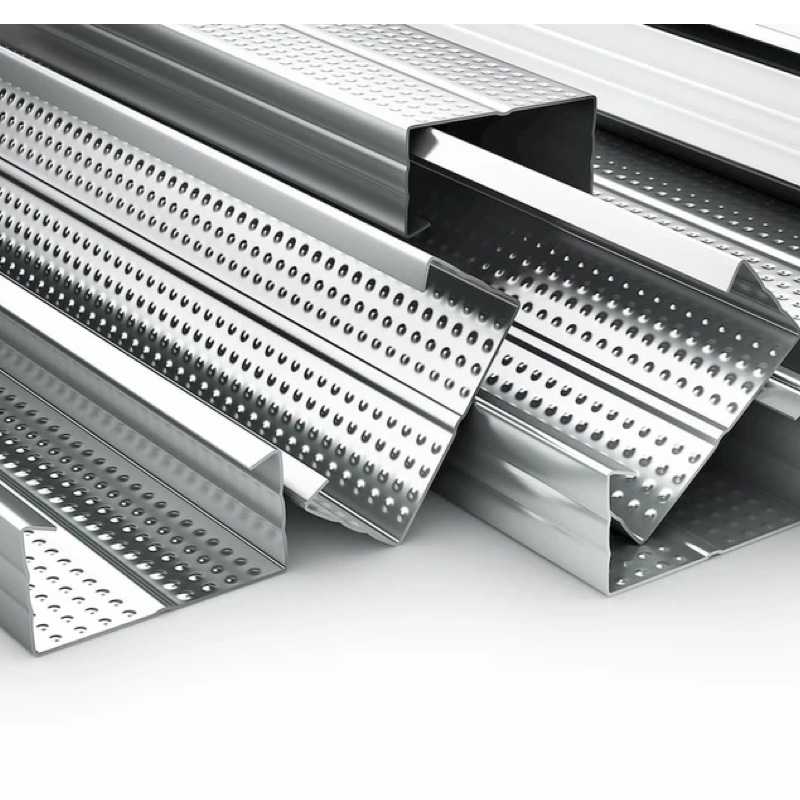
The ceiling metal frame plays a crucial role in modern architecture and decoration. As a sturdy and flexible support structure, the ceiling metal frame provides a stable foundation for indoor spaces, while also providing endless creative space for designers and architects. This article will delve into the construction, advantages, applications, installation, and maintenance of ceiling metal frames, aiming to help readers better understand and use this practical building material.
Firstly, let's understand the basic structure of the ceiling metal frame. The ceiling metal frame is usually composed of crossbeams and longitudinal beams, which are connected to each other through connectors, forming a stable grid structure. The crossbeam is mainly responsible for supporting the weight of the entire frame, while the longitudinal beam serves as a connection and reinforcement. In addition, the ceiling metal frame also uses various fixing parts and fasteners to ensure the stability and safety of the frame.
The advantages of ceiling metal frames lie in their durability, aesthetics, practicality, and flexibility. The metal material endows the frame with excellent load-bearing capacity and deformation resistance, enabling it to maintain stability in various environments. Meanwhile, the surface of the metal frame can be coated with different colors to adapt to different decorative styles. In addition, the design of the ceiling metal frame is very flexible and can be customized according to actual needs and space size, meeting various complex design requirements.
In terms of application, ceiling metal frames are widely used in various indoor spaces such as commercial, office, and residential areas. In commercial spaces, metal frames can support various suspended ceilings, lighting fixtures, ventilation ducts, and other equipment, creating a spacious and bright shopping environment. In office spaces, metal frames can be paired with soundproofing materials to improve the sound insulation effect of the office and create a quiet and comfortable working environment for employees. In residential spaces, metal frames can be applied to various areas such as living rooms, bedrooms, and kitchens to enhance home quality and comfort.
In terms of installation and maintenance, the ceiling metal frame has the characteristics of easy operation and maintenance. During installation, simply position and fix according to the design drawings to quickly complete the installation. During maintenance, regular inspections of connectors and fasteners for looseness or damage, and timely replacement of damaged components can ensure the long-term use of the metal frame. In addition, the surface coating of the metal frame needs to be regularly cleaned and maintained to maintain its aesthetics and durability.
In addition to the above advantages, the ceiling metal frame also has the characteristics of environmental protection and energy conservation. Metal materials can be recycled and reused, reducing the generation of construction waste. At the same time, the ventilation performance of the metal frame is good, which helps to circulate indoor air and regulate temperature, thereby reducing energy consumption.
However, there are also some issues that need to be noted during the use of ceiling metal frames. Firstly, selecting appropriate metal materials and coatings is crucial to ensure the durability and aesthetics of the framework. Secondly, during the installation process, it is necessary to strictly follow the operating procedures to ensure the stability and safety of the framework. Finally, during use, it is necessary to regularly inspect and maintain the framework to promptly identify and address potential issues.
In summary, ceiling metal frames, as a practical and aesthetically pleasing building material, are playing an increasingly important role in modern architecture and decoration. By gaining a deeper understanding of its construction, advantages, applications, installation, and maintenance, we can better utilize this material to create more possibilities and value for indoor spaces. In the future field of architecture, with the continuous development and innovation of technology, it is believed that ceiling metal frames will demonstrate a wider range of application prospects and potential.
Firstly, let's understand the basic structure of the ceiling metal frame. The ceiling metal frame is usually composed of crossbeams and longitudinal beams, which are connected to each other through connectors, forming a stable grid structure. The crossbeam is mainly responsible for supporting the weight of the entire frame, while the longitudinal beam serves as a connection and reinforcement. In addition, the ceiling metal frame also uses various fixing parts and fasteners to ensure the stability and safety of the frame.
The advantages of ceiling metal frames lie in their durability, aesthetics, practicality, and flexibility. The metal material endows the frame with excellent load-bearing capacity and deformation resistance, enabling it to maintain stability in various environments. Meanwhile, the surface of the metal frame can be coated with different colors to adapt to different decorative styles. In addition, the design of the ceiling metal frame is very flexible and can be customized according to actual needs and space size, meeting various complex design requirements.
In terms of application, ceiling metal frames are widely used in various indoor spaces such as commercial, office, and residential areas. In commercial spaces, metal frames can support various suspended ceilings, lighting fixtures, ventilation ducts, and other equipment, creating a spacious and bright shopping environment. In office spaces, metal frames can be paired with soundproofing materials to improve the sound insulation effect of the office and create a quiet and comfortable working environment for employees. In residential spaces, metal frames can be applied to various areas such as living rooms, bedrooms, and kitchens to enhance home quality and comfort.
In terms of installation and maintenance, the ceiling metal frame has the characteristics of easy operation and maintenance. During installation, simply position and fix according to the design drawings to quickly complete the installation. During maintenance, regular inspections of connectors and fasteners for looseness or damage, and timely replacement of damaged components can ensure the long-term use of the metal frame. In addition, the surface coating of the metal frame needs to be regularly cleaned and maintained to maintain its aesthetics and durability.
In addition to the above advantages, the ceiling metal frame also has the characteristics of environmental protection and energy conservation. Metal materials can be recycled and reused, reducing the generation of construction waste. At the same time, the ventilation performance of the metal frame is good, which helps to circulate indoor air and regulate temperature, thereby reducing energy consumption.
However, there are also some issues that need to be noted during the use of ceiling metal frames. Firstly, selecting appropriate metal materials and coatings is crucial to ensure the durability and aesthetics of the framework. Secondly, during the installation process, it is necessary to strictly follow the operating procedures to ensure the stability and safety of the framework. Finally, during use, it is necessary to regularly inspect and maintain the framework to promptly identify and address potential issues.
In summary, ceiling metal frames, as a practical and aesthetically pleasing building material, are playing an increasingly important role in modern architecture and decoration. By gaining a deeper understanding of its construction, advantages, applications, installation, and maintenance, we can better utilize this material to create more possibilities and value for indoor spaces. In the future field of architecture, with the continuous development and innovation of technology, it is believed that ceiling metal frames will demonstrate a wider range of application prospects and potential.
Gypsum Wall Accessories
What are the advantages of Australian light steel keel?
Related Article

Ceiling wall angle, also known as perimeter angle or L-angle, is an indispensable L-shaped metal profile for suspended drywall ceiling systems. Roll-formed from cold-rolled galvanized steel, ceiling wall angle is fixed along the wall perimeter to support the ends of main channels and furring channels,
Ceiling Wall Angle – Galvanized L-Shaped Perimeter Trim for Suspended Drywall Ceilings
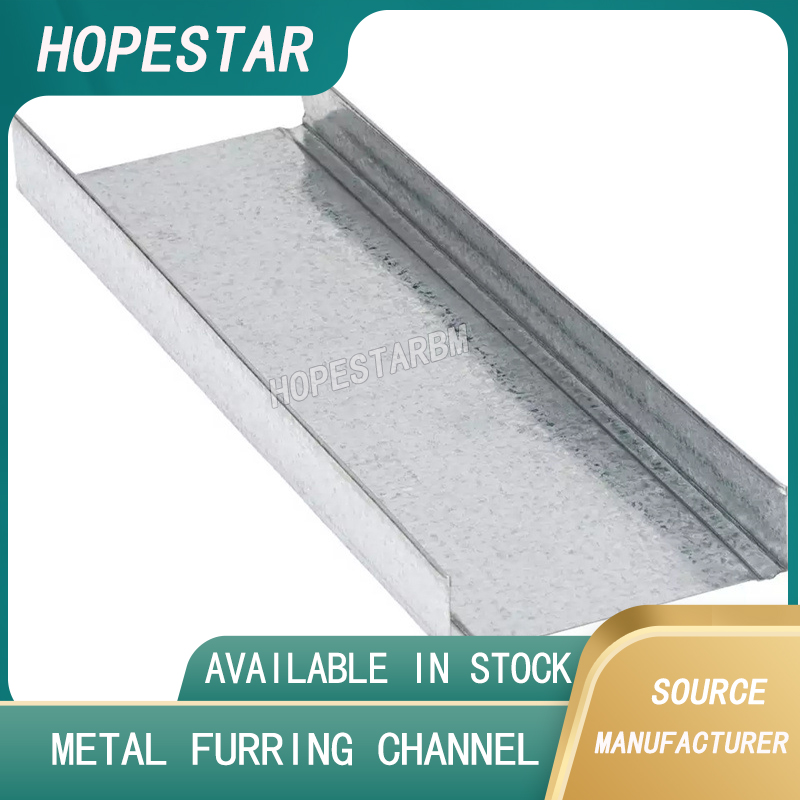
Galvanized steel profiles are the foundational metal framing components widely used in modern interior construction. Roll-formed from cold-rolled steel coated with protective zinc layer, galvanized steel profiles cover a full range of shapes including C studs, U tracks, omega channels,
Galvanized Steel Profiles – Reliable Cold Rolled Framing for Drywall Walls and Ceilings

Metal furring channel for ceiling is a vital secondary framing component widely used in suspended ceiling and drywall ceiling systems. Roll-formed from cold-rolled galvanized steel, this lightweight metal profile works together with main channels, hangers and wall angles to create a level,
Metal Furring Channel for Ceiling – Galvanized Secondary Framing for Suspended Drywall Ceilings

Metal omega channel, also widely called omega furring channel or hat channel, is an indispensable secondary metal framing profile for modern suspended ceilings and drywall wall furring systems. Named after its distinctive Ω shape, this profile is roll-formed from cold-rolled galvanized steel
Metal Omega Channel – Galvanized Omega Furring Channel for Drywall Ceiling and Wall Framing