
Ceiling steel profile specifications
2022-12-10
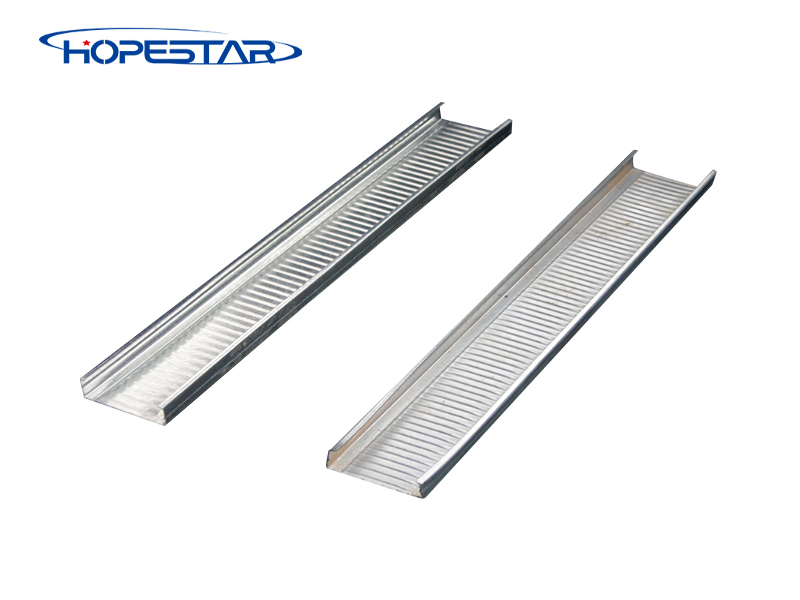
Ceiling steel profile specifications.Seismic Design and Earthquake Resilience
The question of compliance with standards and codes can be a complex one.This is not a journey you need to take alone;Hopestar’s engineers are well versed in navigating this area and are there to support builders,contractors,architects and consulting engineers.An in-depth understanding of the applicable standards and codes is essential in the fast-paced environment of an active building site where questions and conflicts arise on matters as diverse as interaction between building elements,excessive vertical deflection,internal static pressures,building movement,and point loads applied to fire-rated walls,to name a few.Hopestar sits on the AWCI National Technical Committee and provides input and feedback into contemporary industry issues and the review of relevant standards.Commonly referenced standards and codes that govern cold-formed steel design are:
AS/NZS 1170.0:2002 Structural design actions–General principles
AS/NZS 1170.1:2002 Structural design actions–Part 1:Permanent,imposed&other actions
AS/NZS 1170.2:2011 Structural design actions–Part 2:Wind actions
AS 1170.4:2007 Structural design actions–Part 4:Earthquake actions in Australia
AS/NZS 2785:2020Suspended ceilings–Design&installation
NZS 1170.5:2004 structural design actions–Part 5:Earthquake actions in New Zealand
AS/NZS 4600:2018–Cold-formed steel structures
Australian National Construction Code(NCC)
New Zealand Building Codes(NZBC)
Recent events have given rise to closer scrutiny of seismic compliance on construction projects.For many installers of non-structural building elements,compliance can be a complex and onerous task.But it doesn’t have to be.Hopestar’s engineers and our certifying partners have the technical expertise and practical know-how to provide straight-forward seismic solutions for walls and ceilings of all shapes and sizes.Our seismic solutions have been developed through scientific research into past earthquakes,advances in computer simulations and analysis,component level testing,knowledge sharing with our US-based partner team and collaboration with experienced seismic engineering consultants.When you use Hopestar’s advanced seismic solutions,you can build with confidence.
Let’s grow together.We have advanced production equipment,leading production techniques,and strictly quality control.And We manufacture products from high-quality steel coils,products,and sales service make as your one-stop decoration construction supply shop.Hopestar Building is the senior steel manufacturer,the factory has more than 50 sets of production lines for galvanized steel profiles,T grid,and Accessories.The annual product quantity is 20,000 Tons.The factory has developed business with South America,Europe,Africa,and Oceania.we supply and have a commitment to making customers’projects a reality.
The question of compliance with standards and codes can be a complex one.This is not a journey you need to take alone;Hopestar’s engineers are well versed in navigating this area and are there to support builders,contractors,architects and consulting engineers.An in-depth understanding of the applicable standards and codes is essential in the fast-paced environment of an active building site where questions and conflicts arise on matters as diverse as interaction between building elements,excessive vertical deflection,internal static pressures,building movement,and point loads applied to fire-rated walls,to name a few.Hopestar sits on the AWCI National Technical Committee and provides input and feedback into contemporary industry issues and the review of relevant standards.Commonly referenced standards and codes that govern cold-formed steel design are:
AS/NZS 1170.0:2002 Structural design actions–General principles
AS/NZS 1170.1:2002 Structural design actions–Part 1:Permanent,imposed&other actions
AS/NZS 1170.2:2011 Structural design actions–Part 2:Wind actions
AS 1170.4:2007 Structural design actions–Part 4:Earthquake actions in Australia
AS/NZS 2785:2020Suspended ceilings–Design&installation
NZS 1170.5:2004 structural design actions–Part 5:Earthquake actions in New Zealand
AS/NZS 4600:2018–Cold-formed steel structures
Australian National Construction Code(NCC)
New Zealand Building Codes(NZBC)
Recent events have given rise to closer scrutiny of seismic compliance on construction projects.For many installers of non-structural building elements,compliance can be a complex and onerous task.But it doesn’t have to be.Hopestar’s engineers and our certifying partners have the technical expertise and practical know-how to provide straight-forward seismic solutions for walls and ceilings of all shapes and sizes.Our seismic solutions have been developed through scientific research into past earthquakes,advances in computer simulations and analysis,component level testing,knowledge sharing with our US-based partner team and collaboration with experienced seismic engineering consultants.When you use Hopestar’s advanced seismic solutions,you can build with confidence.
Let’s grow together.We have advanced production equipment,leading production techniques,and strictly quality control.And We manufacture products from high-quality steel coils,products,and sales service make as your one-stop decoration construction supply shop.Hopestar Building is the senior steel manufacturer,the factory has more than 50 sets of production lines for galvanized steel profiles,T grid,and Accessories.The annual product quantity is 20,000 Tons.The factory has developed business with South America,Europe,Africa,and Oceania.we supply and have a commitment to making customers’projects a reality.
Top Cross Rail Strength
Ceiling Batten16mm Price
Related Article

Ceiling wall angle, also known as perimeter angle or L-angle, is an indispensable L-shaped metal profile for suspended drywall ceiling systems. Roll-formed from cold-rolled galvanized steel, ceiling wall angle is fixed along the wall perimeter to support the ends of main channels and furring channels,
Ceiling Wall Angle – Galvanized L-Shaped Perimeter Trim for Suspended Drywall Ceilings
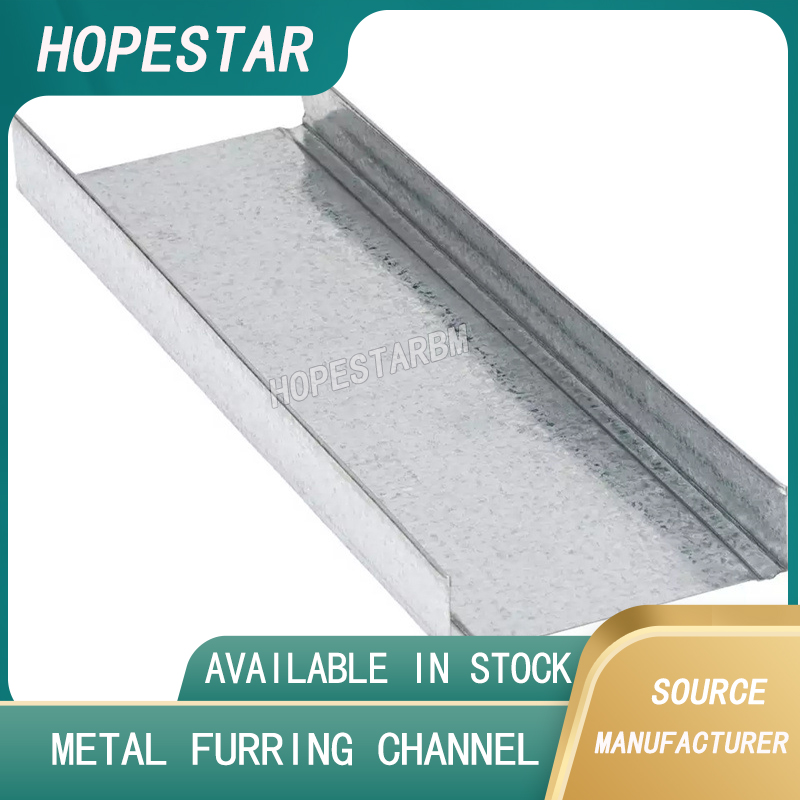
Galvanized steel profiles are the foundational metal framing components widely used in modern interior construction. Roll-formed from cold-rolled steel coated with protective zinc layer, galvanized steel profiles cover a full range of shapes including C studs, U tracks, omega channels,
Galvanized Steel Profiles – Reliable Cold Rolled Framing for Drywall Walls and Ceilings

Metal furring channel for ceiling is a vital secondary framing component widely used in suspended ceiling and drywall ceiling systems. Roll-formed from cold-rolled galvanized steel, this lightweight metal profile works together with main channels, hangers and wall angles to create a level,
Metal Furring Channel for Ceiling – Galvanized Secondary Framing for Suspended Drywall Ceilings

Metal omega channel, also widely called omega furring channel or hat channel, is an indispensable secondary metal framing profile for modern suspended ceilings and drywall wall furring systems. Named after its distinctive Ω shape, this profile is roll-formed from cold-rolled galvanized steel
Metal Omega Channel – Galvanized Omega Furring Channel for Drywall Ceiling and Wall Framing