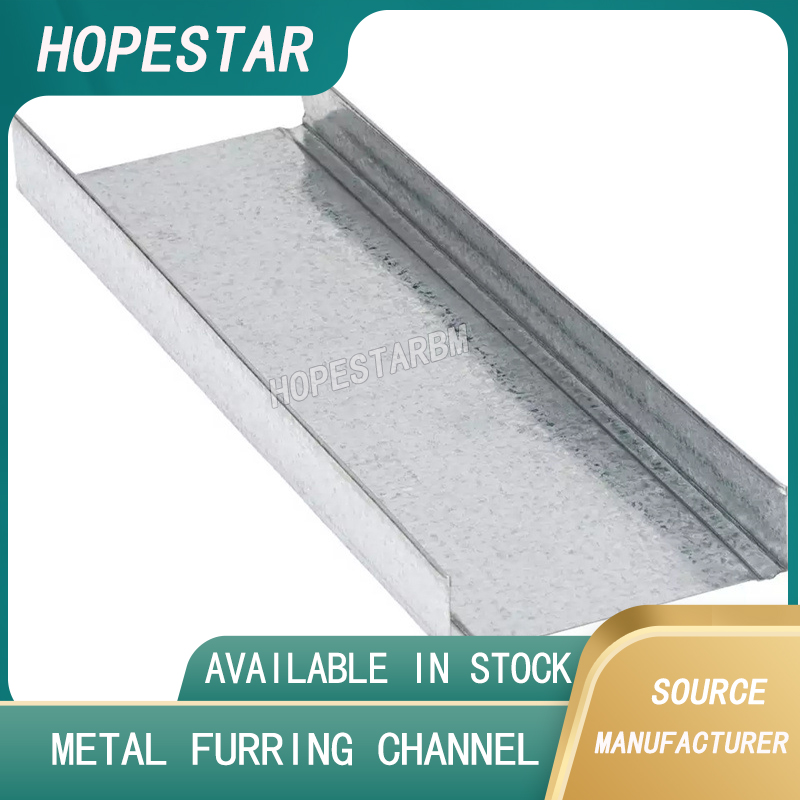
ceiling wall angle
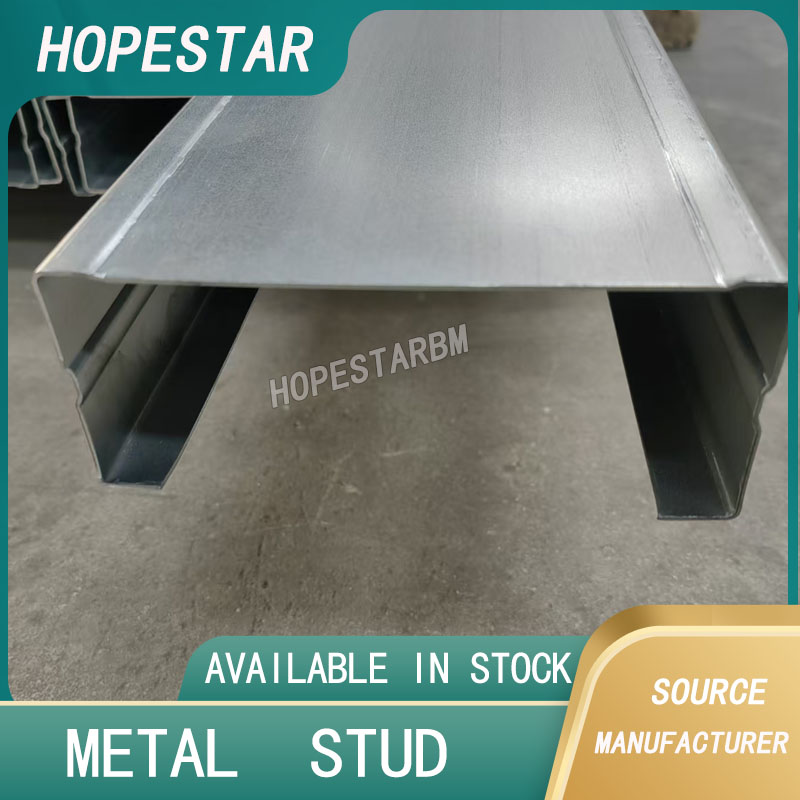
When designing or renovating interior spaces, one small but critical component often makes the difference between a professional finish and a flawed installation: the ceiling wall angle. As a foundational perimeter support part for suspended ceilings, it anchors the entire ceiling grid system to vertical walls, ensuring long-term stability and a crisp, polished edge.
A standard ceiling wall angle features a distinct L-shaped profile, with one leg fastened securely to the wall and the other creating a flat ledge to hold ceiling tiles, main runners or furring channels. Most high-quality options are crafted from galvanized steel or lightweight aluminum, delivering excellent corrosion resistance, high strength-to-weight ratio, and resistance to warping even in high-traffic commercial spaces. Unlike temporary fasteners, a properly installed ceiling wall angle eliminates sagging edges, prevents tile displacement, and maintains consistent alignment across the entire ceiling surface.
Choosing the right ceiling wall angle directly impacts both installation efficiency and long-term performance. For gypsum board false ceilings, thin, easy-to-cut gypsum-specific ceiling wall angle products offer seamless edge finishing for homes, offices, and retail stores. For large-scale corridor or public building projects, heavy-duty galvanized steel ceiling wall angle with a zinc coating of 60–180g per square meter is recommended, as it can support the full load of the ceiling grid while meeting strict internal fitout standards. Many suppliers also provide shadow line trim variants of the ceiling wall angle, creating a subtle recessed gap between the wall and ceiling for a modern, minimalist architectural look.
Proper installation of the ceiling wall angle follows clear industry best practices. First, mark the exact ceiling height position on all walls and columns, then fix the ceiling wall angle with appropriate fasteners at intervals no more than 300mm apart. Before installation, confirm that the primary building structure can bear the full load of the ceiling system, and use clean cotton gloves to handle the ceiling wall angle and ceiling tiles to avoid leaving fingerprints on pre-painted surfaces. For storage before use, keep all ceiling wall angle products indoors on a level base, in a clean, dry environment with relative humidity below 70% and temperature under 50°C, to protect them from moisture, impact, and deformation.
Whether you are working on a new residential false ceiling, a retrofit drywall ceiling, or a large commercial suspended ceiling project, never overlook the role of a reliable ceiling wall angle. It is not just a simple edge trim — it is the hidden backbone that keeps your ceiling system stable, durable, and visually flawless for years to come.
galvanized studs
Drywall Frame
Related Article