
ceiling furring channel clips
2024-06-27
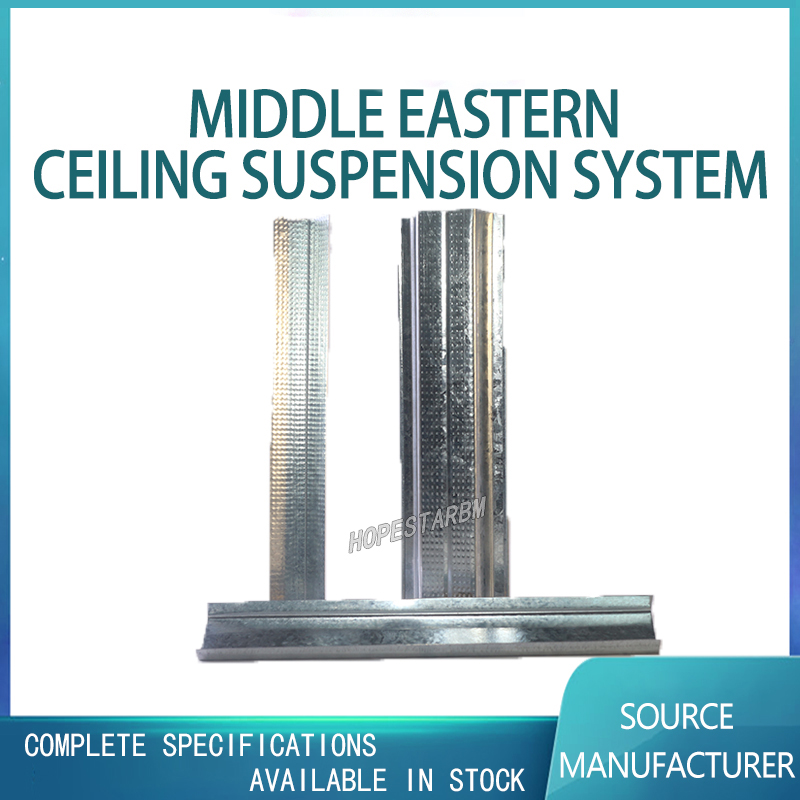
In the modern architecture and decoration industry, ceiling, as an important component of indoor space, plays a crucial role in its design, installation, and decoration. An indispensable part of the ceiling system is the ceiling keel and its related connectors, including the furring channel clips. This article will delve into the functions, types, installation methods, common problems, and solutions of ceiling keel buckles, in order to provide valuable references for relevant practitioners.
1、 The function of the ceiling keel buckle
The ceiling keel buckle, as an important connector between the ceiling keel and the building structure,ceiling furring channel clips, is mainly used to ensure the stability and safety of the ceiling system. By tightly connecting the buckle with the keel and building structure, the ceiling system can withstand various forces from above and from the side, ensuring the flatness and stability of the ceiling. In addition, the ceiling keel buckle can also facilitate the disassembly and maintenance of the ceiling system, improving construction efficiency.
2、 Types of ceiling keel buckles
The ceiling keel buckle can be classified into various types based on its structure, purpose, and material. Common ones include:
1. Right angle buckle: suitable for right angle connection between ceiling keel and building structure, easy installation, and good stability.
2. Diagonal buckle: suitable for the diagonal connection between the ceiling keel and the building structure, and can meet the installation needs at different angles.
3. Sliding buckle: With sliding function, it can easily adjust the position of the ceiling keel, suitable for ceiling systems that require flexible adjustment.
4. Spring buckle: Utilizing the elastic force of the spring, it achieves a tight connection between the ceiling keel and the building structure, suitable for places with high stability requirements.
3、 Installation method of ceiling keel buckle
The installation method of the suspended ceiling keel buckle usually includes the following steps:
1. Determine the position and spacing of the ceiling keel, and install the keel according to the design requirements.
2. Choose a suitable ceiling keel buckle to ensure it matches the keel and building structure.
3. Fix the ceiling keel clip onto the keel to ensure its firmness and reliability.
4. Connect the other end of the buckle to the building structure, and use corresponding connection methods such as screw fixation, welding, etc. according to the type and structure of the buckle.
5. Check the installation quality of the ceiling keel buckle to ensure its stability and safety.
4、 Common problems and solution strategies of ceiling keel buckle
During the use of the ceiling keel buckle, some common problems may be encountered, ceiling furring channel clips,such as looseness, detachment, deformation, etc. To address these issues, the following solutions can be adopted:
1. Loose buckle: Check whether the connection between the buckle and the keel and the building structure is firm. If there are any problems, reinforce or replace the buckle in a timely manner.
2. Buckle detachment: Analyze the cause of detachment, ceiling furring channel clips,which may be due to improper installation, material issues, or external forces. Take corresponding solutions based on the reasons, such as reinstalling, replacing clips, or reinforcing structures.
3. Buckle deformation: Check whether the material and processing technology of the buckle meet the requirements. If there are any problems, replace the buckle in a timely manner. Meanwhile, during the installation process, attention should be paid to avoiding deformation of the buckle caused by external forces.
5、 Selection and maintenance of ceiling keel buckle
When selecting ceiling keel clips, the following points should be noted:
1. Choose products from reputable brands and manufacturers to ensure product quality and safety.
2. Select appropriate types and specifications of fasteners based on the actual needs and design requirements of the ceiling system.
3. Pay attention to checking the material, processing technology, ceiling furring channel clips,and appearance quality of the buckle to ensure that it meets relevant standards and requirements.
In terms of maintenance of the ceiling keel buckle, the following points should be noted:
1. Regularly check the connection status and stability of the buckle, and promptly handle any problems.
2. Avoid deformation or damage to the buckle caused by external forces, such as avoiding heavy object impacts, squeezing, etc.
3. When cleaning the ceiling system, be careful not to damage components such as buckles and keels.
1、 The function of the ceiling keel buckle
The ceiling keel buckle, as an important connector between the ceiling keel and the building structure,ceiling furring channel clips, is mainly used to ensure the stability and safety of the ceiling system. By tightly connecting the buckle with the keel and building structure, the ceiling system can withstand various forces from above and from the side, ensuring the flatness and stability of the ceiling. In addition, the ceiling keel buckle can also facilitate the disassembly and maintenance of the ceiling system, improving construction efficiency.
2、 Types of ceiling keel buckles
The ceiling keel buckle can be classified into various types based on its structure, purpose, and material. Common ones include:
1. Right angle buckle: suitable for right angle connection between ceiling keel and building structure, easy installation, and good stability.
2. Diagonal buckle: suitable for the diagonal connection between the ceiling keel and the building structure, and can meet the installation needs at different angles.
3. Sliding buckle: With sliding function, it can easily adjust the position of the ceiling keel, suitable for ceiling systems that require flexible adjustment.
4. Spring buckle: Utilizing the elastic force of the spring, it achieves a tight connection between the ceiling keel and the building structure, suitable for places with high stability requirements.
3、 Installation method of ceiling keel buckle
The installation method of the suspended ceiling keel buckle usually includes the following steps:
1. Determine the position and spacing of the ceiling keel, and install the keel according to the design requirements.
2. Choose a suitable ceiling keel buckle to ensure it matches the keel and building structure.
3. Fix the ceiling keel clip onto the keel to ensure its firmness and reliability.
4. Connect the other end of the buckle to the building structure, and use corresponding connection methods such as screw fixation, welding, etc. according to the type and structure of the buckle.
5. Check the installation quality of the ceiling keel buckle to ensure its stability and safety.
4、 Common problems and solution strategies of ceiling keel buckle
During the use of the ceiling keel buckle, some common problems may be encountered, ceiling furring channel clips,such as looseness, detachment, deformation, etc. To address these issues, the following solutions can be adopted:
1. Loose buckle: Check whether the connection between the buckle and the keel and the building structure is firm. If there are any problems, reinforce or replace the buckle in a timely manner.
2. Buckle detachment: Analyze the cause of detachment, ceiling furring channel clips,which may be due to improper installation, material issues, or external forces. Take corresponding solutions based on the reasons, such as reinstalling, replacing clips, or reinforcing structures.
3. Buckle deformation: Check whether the material and processing technology of the buckle meet the requirements. If there are any problems, replace the buckle in a timely manner. Meanwhile, during the installation process, attention should be paid to avoiding deformation of the buckle caused by external forces.
5、 Selection and maintenance of ceiling keel buckle
When selecting ceiling keel clips, the following points should be noted:
1. Choose products from reputable brands and manufacturers to ensure product quality and safety.
2. Select appropriate types and specifications of fasteners based on the actual needs and design requirements of the ceiling system.
3. Pay attention to checking the material, processing technology, ceiling furring channel clips,and appearance quality of the buckle to ensure that it meets relevant standards and requirements.
In terms of maintenance of the ceiling keel buckle, the following points should be noted:
1. Regularly check the connection status and stability of the buckle, and promptly handle any problems.
2. Avoid deformation or damage to the buckle caused by external forces, such as avoiding heavy object impacts, squeezing, etc.
3. When cleaning the ceiling system, be careful not to damage components such as buckles and keels.
ceiling furring channels
What is the weight of the C-shaped keel?c strut channel
Related Article

Ceiling wall angle, also known as perimeter angle or L-angle, is an indispensable L-shaped metal profile for suspended drywall ceiling systems. Roll-formed from cold-rolled galvanized steel, ceiling wall angle is fixed along the wall perimeter to support the ends of main channels and furring channels,
Ceiling Wall Angle – Galvanized L-Shaped Perimeter Trim for Suspended Drywall Ceilings
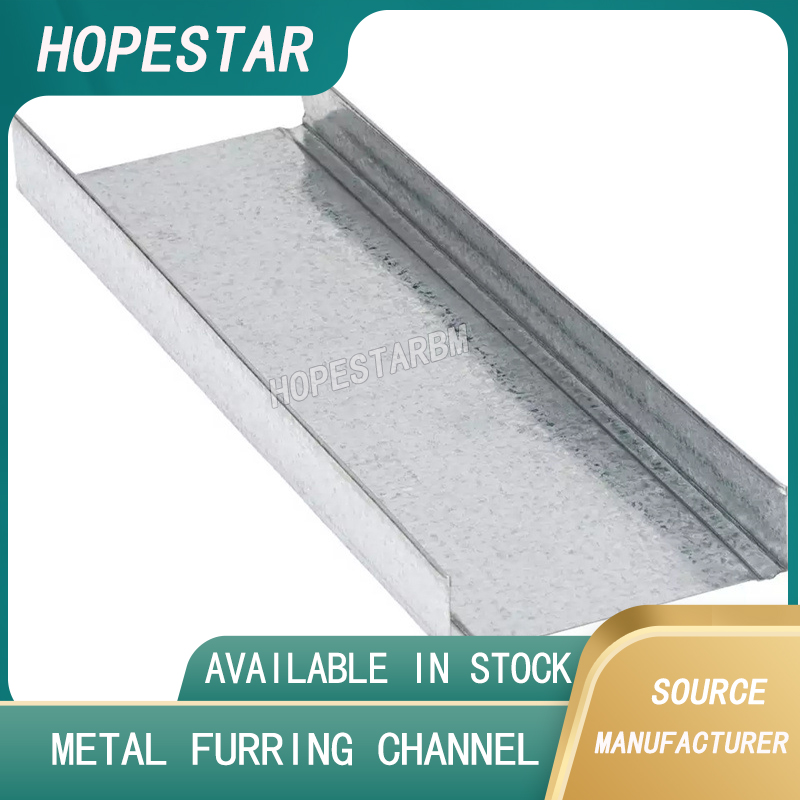
Galvanized steel profiles are the foundational metal framing components widely used in modern interior construction. Roll-formed from cold-rolled steel coated with protective zinc layer, galvanized steel profiles cover a full range of shapes including C studs, U tracks, omega channels,
Galvanized Steel Profiles – Reliable Cold Rolled Framing for Drywall Walls and Ceilings

Metal furring channel for ceiling is a vital secondary framing component widely used in suspended ceiling and drywall ceiling systems. Roll-formed from cold-rolled galvanized steel, this lightweight metal profile works together with main channels, hangers and wall angles to create a level,
Metal Furring Channel for Ceiling – Galvanized Secondary Framing for Suspended Drywall Ceilings

Metal omega channel, also widely called omega furring channel or hat channel, is an indispensable secondary metal framing profile for modern suspended ceilings and drywall wall furring systems. Named after its distinctive Ω shape, this profile is roll-formed from cold-rolled galvanized steel
Metal Omega Channel – Galvanized Omega Furring Channel for Drywall Ceiling and Wall Framing