
ceiling framing using metal furring
2024-08-20
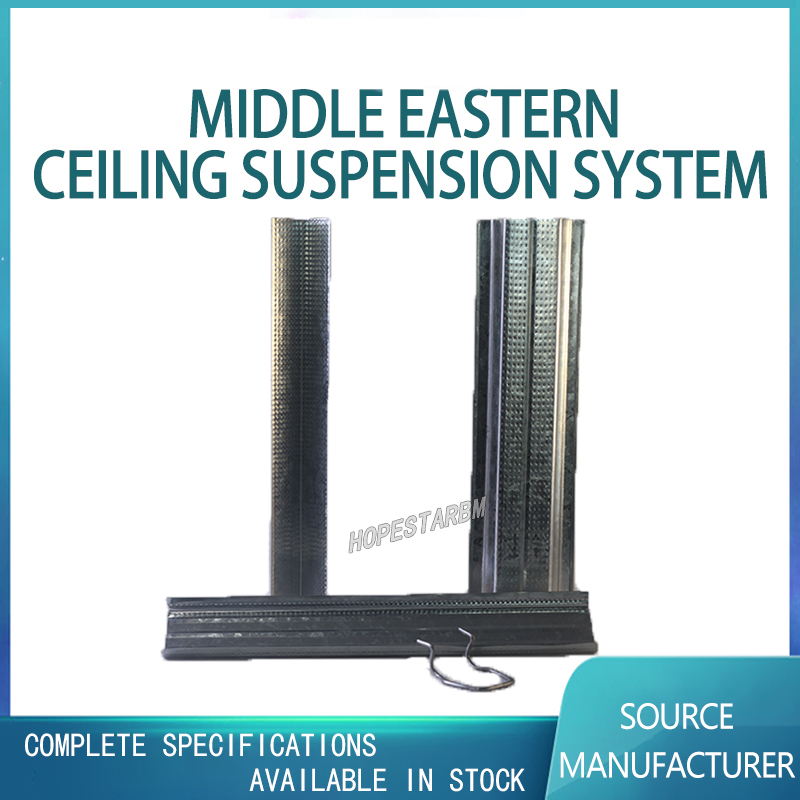
Ceiling framing using metal furring is a popular method in construction,particularly for lightweight and durable ceiling systems.Metal furring channels,typically made of galvanized steel,are used to create a strong framework that can support various ceiling materials,such as gypsum boards or plasterboard.Here’s a basic overview of how ceiling framing using metal furring is done:
1.Planning and Preparation:
Determine the Ceiling Height:Measure and mark the desired ceiling height on the walls around the room.
Layout:Plan the layout of the furring channels,taking into consideration the spacing required for the ceiling material(usually 16"or 24"on center).
Material Check:Ensure you have all the necessary materials,including metal furring channels,suspension rods,screws,and ceiling boards.
2.Installation of Perimeter Channels:
Fix Perimeter Channels:Attach metal perimeter channels(also called wall angles)along the marked lines on the walls.These channels will support the edges of the furring channels.
Ensure Level:Use a spirit level to ensure that the perimeter channels are perfectly level.
3.Suspension System:
Install Suspension Rods:Depending on the ceiling height and load requirements,suspension rods or wires are installed at regular intervals,usually attached to the roof or a higher structure above the ceiling.
Attach Furring Channels:The main furring channels are attached to these suspension rods.The channels should be spaced according to the ceiling board's size,with additional channels added where light fixtures or other ceiling elements will be installed.
4.Installing the Cross Furring Channels:
Cross Furring Channels:These are installed perpendicular to the main furring channels,creating a grid pattern.This grid supports the ceiling material and ensures it is securely fastened.
5.Fixing the Ceiling Material:
Ceiling Boards:Once the metal furring framework is in place,ceiling boards like gypsum boards are screwed into the furring channels.Ensure that screws are placed at proper intervals to avoid sagging.
6.Finishing:
Joint Taping and Plastering:After the boards are installed,the joints between them are taped and plastered to create a smooth surface.
Sanding and Painting:Finally,the ceiling is sanded,primed,and painted to achieve the desired finish.
Advantages of Metal Furring:
Durability:Metal is less susceptible to warping or rot compared to wood.
Lightweight:Metal furring is easier to handle and install due to its lightweight nature.
Fire Resistance:Metal does not combust,adding a layer of fire resistance to the structure.
Precision:Metal furring allows for precise leveling and alignment,which is crucial for a smooth ceiling finish.
This method is widely used in both residential and commercial construction due to its reliability and ease of installation.
1.Planning and Preparation:
Determine the Ceiling Height:Measure and mark the desired ceiling height on the walls around the room.
Layout:Plan the layout of the furring channels,taking into consideration the spacing required for the ceiling material(usually 16"or 24"on center).
Material Check:Ensure you have all the necessary materials,including metal furring channels,suspension rods,screws,and ceiling boards.
2.Installation of Perimeter Channels:
Fix Perimeter Channels:Attach metal perimeter channels(also called wall angles)along the marked lines on the walls.These channels will support the edges of the furring channels.
Ensure Level:Use a spirit level to ensure that the perimeter channels are perfectly level.
3.Suspension System:
Install Suspension Rods:Depending on the ceiling height and load requirements,suspension rods or wires are installed at regular intervals,usually attached to the roof or a higher structure above the ceiling.
Attach Furring Channels:The main furring channels are attached to these suspension rods.The channels should be spaced according to the ceiling board's size,with additional channels added where light fixtures or other ceiling elements will be installed.
4.Installing the Cross Furring Channels:
Cross Furring Channels:These are installed perpendicular to the main furring channels,creating a grid pattern.This grid supports the ceiling material and ensures it is securely fastened.
5.Fixing the Ceiling Material:
Ceiling Boards:Once the metal furring framework is in place,ceiling boards like gypsum boards are screwed into the furring channels.Ensure that screws are placed at proper intervals to avoid sagging.
6.Finishing:
Joint Taping and Plastering:After the boards are installed,the joints between them are taped and plastered to create a smooth surface.
Sanding and Painting:Finally,the ceiling is sanded,primed,and painted to achieve the desired finish.
Advantages of Metal Furring:
Durability:Metal is less susceptible to warping or rot compared to wood.
Lightweight:Metal furring is easier to handle and install due to its lightweight nature.
Fire Resistance:Metal does not combust,adding a layer of fire resistance to the structure.
Precision:Metal furring allows for precise leveling and alignment,which is crucial for a smooth ceiling finish.
This method is widely used in both residential and commercial construction due to its reliability and ease of installation.
What is the hat channel for metal roofing?
What is a Nogging Track?
Related Article

Ceiling wall angle, also known as perimeter angle or L-angle, is an indispensable L-shaped metal profile for suspended drywall ceiling systems. Roll-formed from cold-rolled galvanized steel, ceiling wall angle is fixed along the wall perimeter to support the ends of main channels and furring channels,
Ceiling Wall Angle – Galvanized L-Shaped Perimeter Trim for Suspended Drywall Ceilings
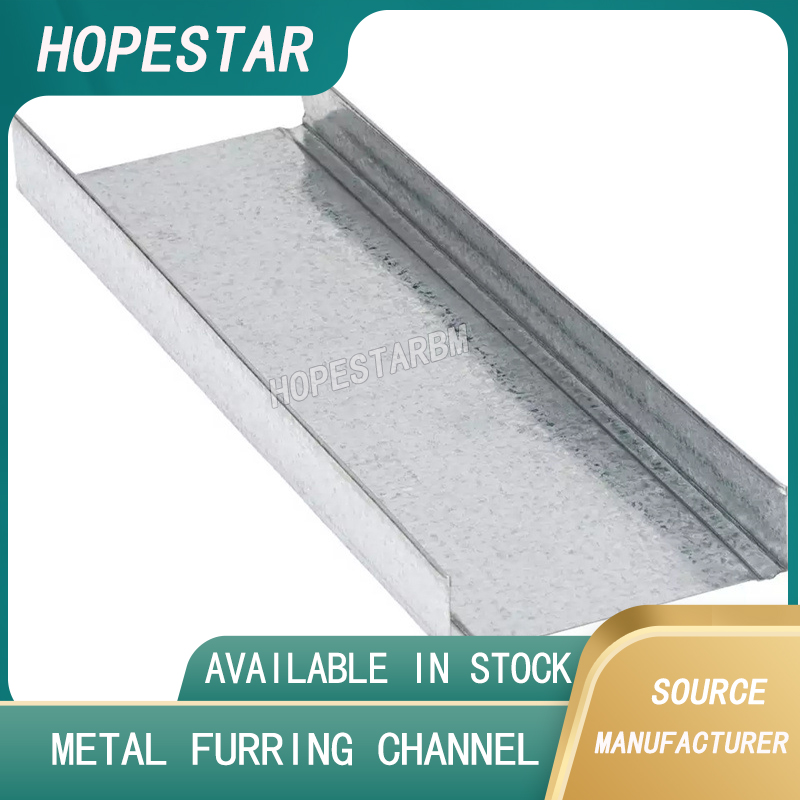
Galvanized steel profiles are the foundational metal framing components widely used in modern interior construction. Roll-formed from cold-rolled steel coated with protective zinc layer, galvanized steel profiles cover a full range of shapes including C studs, U tracks, omega channels,
Galvanized Steel Profiles – Reliable Cold Rolled Framing for Drywall Walls and Ceilings

Metal furring channel for ceiling is a vital secondary framing component widely used in suspended ceiling and drywall ceiling systems. Roll-formed from cold-rolled galvanized steel, this lightweight metal profile works together with main channels, hangers and wall angles to create a level,
Metal Furring Channel for Ceiling – Galvanized Secondary Framing for Suspended Drywall Ceilings

Metal omega channel, also widely called omega furring channel or hat channel, is an indispensable secondary metal framing profile for modern suspended ceilings and drywall wall furring systems. Named after its distinctive Ω shape, this profile is roll-formed from cold-rolled galvanized steel
Metal Omega Channel – Galvanized Omega Furring Channel for Drywall Ceiling and Wall Framing