
carport hat channel
2024-08-12
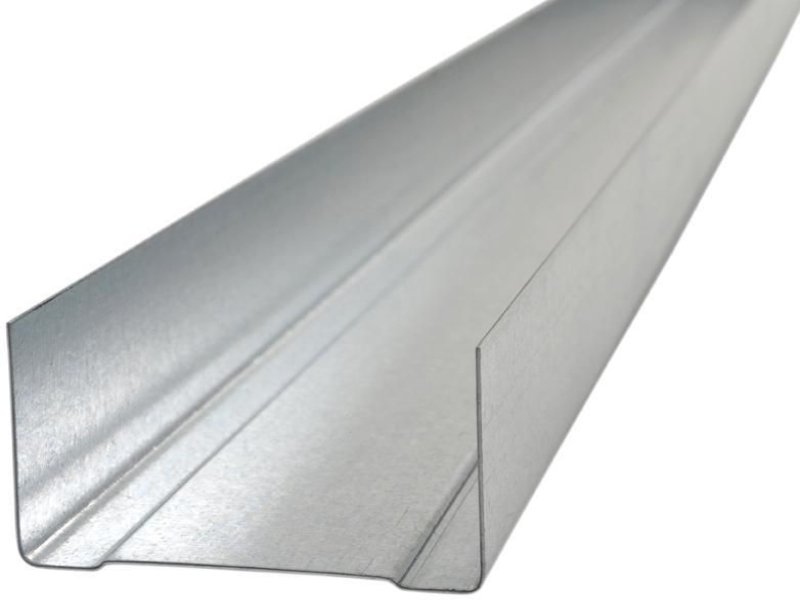
When it comes to carports, hat channels play a vital role in the structure's stability, durability, and overall functionality. They are used in both the roof and wall construction to support the panels, create space for insulation if needed, and enhance the carport’s ability to withstand various environmental conditions.
Uses of Hat Channels in Carports
Roof Support:
Roof Support:
Function: Hat channels are often used to support the roof panels of a carport. They run perpendicular to the purlins or rafters, creating a stable surface for attaching metal roofing sheets.
Benefits: This configuration helps distribute the weight of the roof evenly, making the structure more resistant to heavy loads like snow or debris. It also helps in managing the expansion and contraction of metal roofing due to temperature changes.
Wall Framing (if applicable):
Benefits: This configuration helps distribute the weight of the roof evenly, making the structure more resistant to heavy loads like snow or debris. It also helps in managing the expansion and contraction of metal roofing due to temperature changes.
Wall Framing (if applicable):
Function: In enclosed carports or those with partial walls, hat channels can serve as the framework for wall panels. They provide a secure structure to attach the wall cladding, whether it's metal sheets or other materials.
Benefits: This allows for the installation of insulated panels or additional features like windows or doors, enhancing the functionality and aesthetics of the carport.
Ceiling Structure:
Benefits: This allows for the installation of insulated panels or additional features like windows or doors, enhancing the functionality and aesthetics of the carport.
Ceiling Structure:
Function: For carports that have a finished ceiling, hat channels can be used to support ceiling panels or finishes. They create a space that can be used for running electrical wiring or adding insulation.
Benefits: This contributes to a more polished appearance and can also help in noise reduction if the carport is attached to a residential structure.
Installation of Hat Channels in Carports
Material Selection:
Benefits: This contributes to a more polished appearance and can also help in noise reduction if the carport is attached to a residential structure.
Installation of Hat Channels in Carports
Material Selection:
Common Materials: Galvanized steel is the most common material for hat channels in carports due to its strength and resistance to rust and corrosion.
Thickness: The thickness of the hat channel depends on the load requirements and the span between supports. Heavier-duty channels may be required in areas with high wind or snow loads.
Attachment:
Thickness: The thickness of the hat channel depends on the load requirements and the span between supports. Heavier-duty channels may be required in areas with high wind or snow loads.
Attachment:
Roof Installation: Hat channels are typically fastened to the carport’s purlins using self-drilling screws or bolts. They are spaced according to the roofing material’s requirements.
Wall Installation: When used for walls, the channels are attached vertically or horizontally to the frame, depending on the design, and are spaced to match the panel widths.
Spacing and Alignment:
Wall Installation: When used for walls, the channels are attached vertically or horizontally to the frame, depending on the design, and are spaced to match the panel widths.
Spacing and Alignment:
Spacing: The spacing of hat channels is critical for ensuring that the panels are adequately supported. For carports, this typically ranges from 24 inches to 48 inches on center, depending on the design and load requirements.
Alignment: Careful alignment is necessary to ensure that the roof or wall panels lay flat and are securely attached. Misalignment can lead to leaks or structural weaknesses.
Specific Considerations for Carports
Wind Resistance:
Alignment: Careful alignment is necessary to ensure that the roof or wall panels lay flat and are securely attached. Misalignment can lead to leaks or structural weaknesses.
Specific Considerations for Carports
Wind Resistance:
Importance: Carports, especially those in open areas, must withstand high winds. Proper installation of hat channels ensures that the roof and walls are securely anchored, reducing the risk of damage in stormy weather.
nogging track
metal building hat channel
Related Article

Ceiling wall angle, also known as perimeter angle or L-angle, is an indispensable L-shaped metal profile for suspended drywall ceiling systems. Roll-formed from cold-rolled galvanized steel, ceiling wall angle is fixed along the wall perimeter to support the ends of main channels and furring channels,
Ceiling Wall Angle – Galvanized L-Shaped Perimeter Trim for Suspended Drywall Ceilings
Galvanized steel profiles are the foundational metal framing components widely used in modern interior construction. Roll-formed from cold-rolled steel coated with protective zinc layer, galvanized steel profiles cover a full range of shapes including C studs, U tracks, omega channels,
Galvanized Steel Profiles – Reliable Cold Rolled Framing for Drywall Walls and Ceilings

Metal furring channel for ceiling is a vital secondary framing component widely used in suspended ceiling and drywall ceiling systems. Roll-formed from cold-rolled galvanized steel, this lightweight metal profile works together with main channels, hangers and wall angles to create a level,
Metal Furring Channel for Ceiling – Galvanized Secondary Framing for Suspended Drywall Ceilings

Metal omega channel, also widely called omega furring channel or hat channel, is an indispensable secondary metal framing profile for modern suspended ceilings and drywall wall furring systems. Named after its distinctive Ω shape, this profile is roll-formed from cold-rolled galvanized steel
Metal Omega Channel – Galvanized Omega Furring Channel for Drywall Ceiling and Wall Framing