
c furring channel sizes
2024-06-18
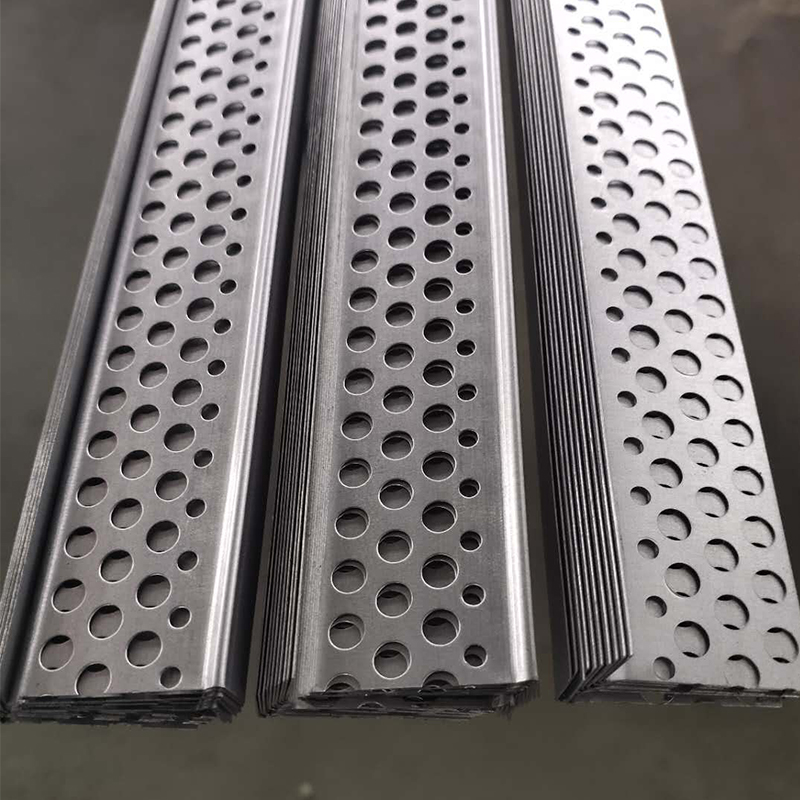
In the construction industry, C Furring Channel is an important structural element widely used in various fields such as ceiling installation, pipeline laying, and wall decoration. The C-shaped ceiling keel not only provides necessary support and fixation functions, but also affects the stability and aesthetics of the entire building structure. Therefore, it is crucial to choose and use C-shaped ceiling keels of different sizes correctly.
Firstly, we need to understand the basic structure and size specifications of the C-type ceiling keel. The C-shaped ceiling keel is usually made of metal material, and its cross-sectional shape is in the shape of the English letter "C", hence its name. This structure enables the C-shaped ceiling keel to have good bending performance and load-bearing capacity. According to different application scenarios and requirements, the C-type ceiling keel has multiple size specifications to choose from, including length, width, thickness, and bending angle.
When selecting the size of the C-type ceiling keel, multiple factors need to be considered comprehensively. Firstly, the weight and load requirements of the suspended ceiling. The weight of the ceiling includes the total weight of all attachments such as ceiling panels, insulation materials, pipelines, etc. According to the weight and load requirements of the ceiling, a suitable thickness of C-shaped ceiling keel can be selected to ensure its load-bearing capacity meets the requirements. Next is the layout and installation method of the ceiling. Different ceiling layouts and installation methods also have different requirements for the size of the C-shaped ceiling keel. For example, the specifications and spacing of ceiling panels, as well as the laying path of pipelines, can all affect the selection of C-shaped ceiling keels.
In addition, it is necessary to consider the overall stability and aesthetics of the building structure. As a supporting element of the ceiling structure, the size selection of the C-shaped ceiling keel should be coordinated with the overall building structure to ensure the flatness and stability of the ceiling. At the same time, the appearance of the C-shaped ceiling keel should also meet the design requirements to ensure the aesthetics of the ceiling.
In practical applications, the selection of C-shaped ceiling keel size needs to be customized according to specific project requirements. Designers and construction personnel should fully understand the characteristics and requirements of the project, and choose the appropriate C-shaped ceiling keel size. Meanwhile, during the installation process, relevant installation specifications and standards should be followed to ensure the correct installation and use of the C-shaped ceiling keel.
In addition to selecting the appropriate size, the material and quality of the C-shaped ceiling keel are also important factors affecting the performance of the ceiling. High quality C-shaped ceiling keel should have sufficient strength and stability to withstand the weight and load requirements of the ceiling. At the same time, its surface should be flat and smooth, without defects such as rust and cracks, to ensure the aesthetic and durability of the ceiling.
With the continuous development and innovation of the construction industry, the C-shaped ceiling keel is also constantly being optimized and improved. The new C-type ceiling keel material has higher strength and better corrosion resistance, which can better meet the needs of modern architecture. In addition, some new ceiling installation technologies and methods also provide more possibilities for the application of C-shaped ceiling keels.
In summary, the correct selection and use of C-shaped ceiling keels of different sizes are of great significance in ensuring the stability and aesthetics of the ceiling structure. In practical applications, suitable C-shaped ceiling keel sizes and materials should be selected based on the characteristics and requirements of the project, and relevant installation specifications and standards should be followed to ensure that the quality and performance of the ceiling reach the best state. At the same time, with the continuous development of the construction industry, we should actively explore and apply new C-shaped ceiling keel technology and methods, and contribute to the development of modern architecture.
Firstly, we need to understand the basic structure and size specifications of the C-type ceiling keel. The C-shaped ceiling keel is usually made of metal material, and its cross-sectional shape is in the shape of the English letter "C", hence its name. This structure enables the C-shaped ceiling keel to have good bending performance and load-bearing capacity. According to different application scenarios and requirements, the C-type ceiling keel has multiple size specifications to choose from, including length, width, thickness, and bending angle.
When selecting the size of the C-type ceiling keel, multiple factors need to be considered comprehensively. Firstly, the weight and load requirements of the suspended ceiling. The weight of the ceiling includes the total weight of all attachments such as ceiling panels, insulation materials, pipelines, etc. According to the weight and load requirements of the ceiling, a suitable thickness of C-shaped ceiling keel can be selected to ensure its load-bearing capacity meets the requirements. Next is the layout and installation method of the ceiling. Different ceiling layouts and installation methods also have different requirements for the size of the C-shaped ceiling keel. For example, the specifications and spacing of ceiling panels, as well as the laying path of pipelines, can all affect the selection of C-shaped ceiling keels.
In addition, it is necessary to consider the overall stability and aesthetics of the building structure. As a supporting element of the ceiling structure, the size selection of the C-shaped ceiling keel should be coordinated with the overall building structure to ensure the flatness and stability of the ceiling. At the same time, the appearance of the C-shaped ceiling keel should also meet the design requirements to ensure the aesthetics of the ceiling.
In practical applications, the selection of C-shaped ceiling keel size needs to be customized according to specific project requirements. Designers and construction personnel should fully understand the characteristics and requirements of the project, and choose the appropriate C-shaped ceiling keel size. Meanwhile, during the installation process, relevant installation specifications and standards should be followed to ensure the correct installation and use of the C-shaped ceiling keel.
In addition to selecting the appropriate size, the material and quality of the C-shaped ceiling keel are also important factors affecting the performance of the ceiling. High quality C-shaped ceiling keel should have sufficient strength and stability to withstand the weight and load requirements of the ceiling. At the same time, its surface should be flat and smooth, without defects such as rust and cracks, to ensure the aesthetic and durability of the ceiling.
With the continuous development and innovation of the construction industry, the C-shaped ceiling keel is also constantly being optimized and improved. The new C-type ceiling keel material has higher strength and better corrosion resistance, which can better meet the needs of modern architecture. In addition, some new ceiling installation technologies and methods also provide more possibilities for the application of C-shaped ceiling keels.
In summary, the correct selection and use of C-shaped ceiling keels of different sizes are of great significance in ensuring the stability and aesthetics of the ceiling structure. In practical applications, suitable C-shaped ceiling keel sizes and materials should be selected based on the characteristics and requirements of the project, and relevant installation specifications and standards should be followed to ensure that the quality and performance of the ceiling reach the best state. At the same time, with the continuous development of the construction industry, we should actively explore and apply new C-shaped ceiling keel technology and methods, and contribute to the development of modern architecture.
distance of metal furring for ceiling
Standard Dimensions of Light Steel Keel Ceiling
Related Article

Ceiling wall angle, also known as perimeter angle or L-angle, is an indispensable L-shaped metal profile for suspended drywall ceiling systems. Roll-formed from cold-rolled galvanized steel, ceiling wall angle is fixed along the wall perimeter to support the ends of main channels and furring channels,
Ceiling Wall Angle – Galvanized L-Shaped Perimeter Trim for Suspended Drywall Ceilings

Galvanized steel profiles are the foundational metal framing components widely used in modern interior construction. Roll-formed from cold-rolled steel coated with protective zinc layer, galvanized steel profiles cover a full range of shapes including C studs, U tracks, omega channels,
Galvanized Steel Profiles – Reliable Cold Rolled Framing for Drywall Walls and Ceilings

Metal furring channel for ceiling is a vital secondary framing component widely used in suspended ceiling and drywall ceiling systems. Roll-formed from cold-rolled galvanized steel, this lightweight metal profile works together with main channels, hangers and wall angles to create a level,
Metal Furring Channel for Ceiling – Galvanized Secondary Framing for Suspended Drywall Ceilings

Metal omega channel, also widely called omega furring channel or hat channel, is an indispensable secondary metal framing profile for modern suspended ceilings and drywall wall furring systems. Named after its distinctive Ω shape, this profile is roll-formed from cold-rolled galvanized steel
Metal Omega Channel – Galvanized Omega Furring Channel for Drywall Ceiling and Wall Framing