
What Are Furring Channels and How Are They Used?
2026-09-24
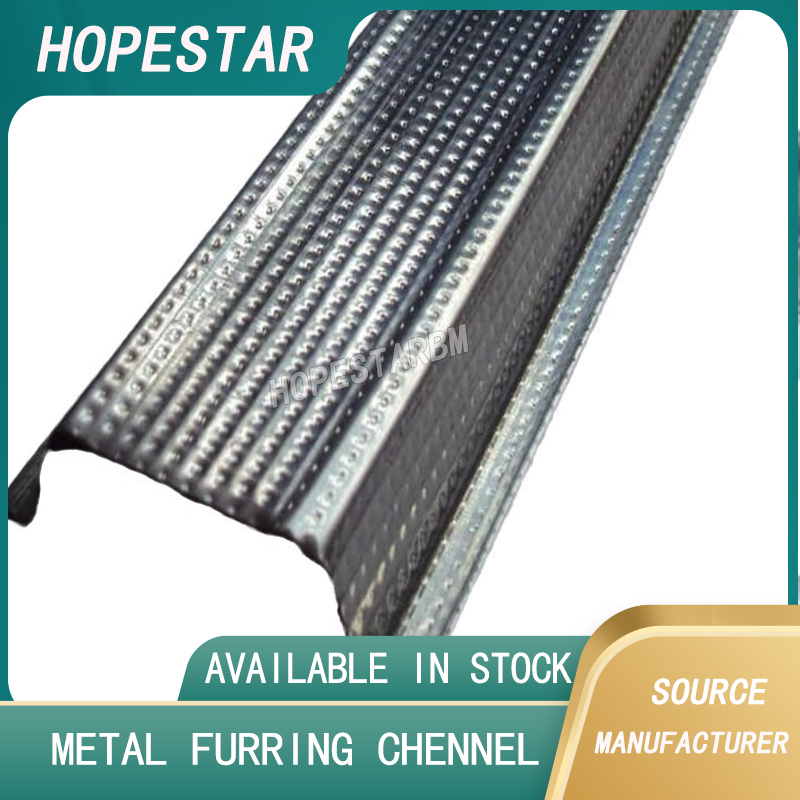
Furring channels are essential lightweight structural building components widely used in modern interior construction, drywall installation, and ceiling framing systems. Often referred to as ceiling furring, metal furring channels, or wall furring strips, these C-shaped or hat-shaped metal profiles create a consistent, level framework that separates wall and ceiling finishes from the original building structure. For contractors, builders, and renovation professionals, furring channels are foundational materials that improve flatness, enhance durability, and optimize the overall performance of interior finishing projects.
In simple terms, furring channels act as a spacer and support system. They are most commonly manufactured from hot-dip galvanized steel, which delivers excellent rust resistance, structural rigidity, and long-term stability. Available in standardized sizes including 38mm, 50mm, and 75mm widths, these channels feature lightweight bodies with strong load-bearing capacity. Unlike traditional wooden furring strips that are prone to rot, mold, and deformation, metal furring channels provide a reliable, long-lasting solution suitable for residential, commercial, industrial, and public construction environments.
Many people new to construction ask: what are furring channels used for, and why are they necessary? The primary purpose of furring channels is to level uneven surfaces and create a uniform base for drywall, plaster panels, acoustic boards, and decorative ceiling materials. Walls and concrete ceilings often have natural imperfections, including uneven concrete surfaces, height deviations, and structural irregularities. Installing furring channels creates a new, flat secondary surface, ensuring the final wall and ceiling finishes look smooth, straight, and professionally aligned.
Another key function of furring channels is to create hidden gaps between the original structure and finishing materials. This gap offers multiple practical benefits for building maintenance and performance. First, it improves indoor ventilation and moisture dissipation, effectively preventing moisture accumulation that causes mildew, peeling, and wall cracking. Second, the hollow space allows builders to easily conceal electrical wires, ventilation ducts, air conditioning pipes, and fire safety equipment without damaging the original building structure, greatly simplifying later maintenance and upgrades.
Fire safety and structural stability are major reasons furring channels have become industry-standard materials. Galvanized metal furring channels are completely non-combustible, fully complying with global building fire protection regulations. They do not burn, melt, or release toxic fumes during fire hazards, maintaining structural integrity to protect indoor spaces. Additionally, metal furring channels resist thermal expansion and contraction, avoiding the warping and sagging issues common with wooden frames during seasonal temperature and humidity changes. This stability ensures walls and ceilings remain flat and intact for decades.
Furring channels serve versatile applications across almost all interior construction scenarios. In ceiling projects, they are widely used for suspended ceilings, flat ceiling finishing, curved ceiling modeling, and large-area commercial ceiling systems in malls, offices, hotels, schools, and hospitals. In wall construction, furring channels are applied for wall leveling, drywall partition framing, exterior wall insulation cladding, and old wall renovation. Industrial buildings also rely heavily on furring channels for dust-proof, fire-resistant, and moisture-proof ceiling and wall systems in workshops, clean rooms, and warehouses.
The installation process for furring channels is systematic and straightforward, suitable for all standard construction teams. First, construction workers measure and mark installation positions on walls and ceilings to ensure accurate spacing and horizontal alignment. Second, fix hanging brackets and anchor points firmly on the original structure to provide stable support. Third, install and level the furring channels row by row, adjusting height and flatness to eliminate uneven areas. Finally, attach drywall or decorative panels to the finished furring framework to complete the interior finishing process.
Compared with traditional construction methods, furring channel systems deliver outstanding cost performance and construction efficiency. Their lightweight design reduces building load and simplifies manual transportation and installation, shortening project cycles and lowering labor costs. Meanwhile, metal furring channels require almost no long-term maintenance, avoiding frequent repairs and replacements caused by wood decay, insect infestation, and mold growth. As eco-friendly recyclable building materials, they also meet modern green construction standards with zero formaldehyde and no harmful emissions.
In conclusion, furring channels are irreplaceable structural components in modern interior construction. They solve common construction problems such as uneven surfaces, poor fire resistance, moisture damage, and difficult pipeline hiding. By providing stable support, precise leveling, and enhanced building safety, furring channels ensure high-quality, durable, and aesthetic wall and ceiling finishes. For any drywall and interior renovation project, high-standard furring channel installation is the key to achieving professional and long-lasting construction results.
What Is A Furring Hat Channel? Definition, Benefits and Common Uses
Metal Furring Channel: Uses, Key Advantages and Professional Installation Guide
Related Article

A furring hat channel is a specialized hat-shaped galvanized steel framing profile widely used in modern drywall, ceiling suspension, and wall furring systems. Named after its unique hat-like cross-section, this lightweight metal channel features a flat top surface, two sloped sides,
What Is A Furring Hat Channel? Definition, Benefits and Common Uses
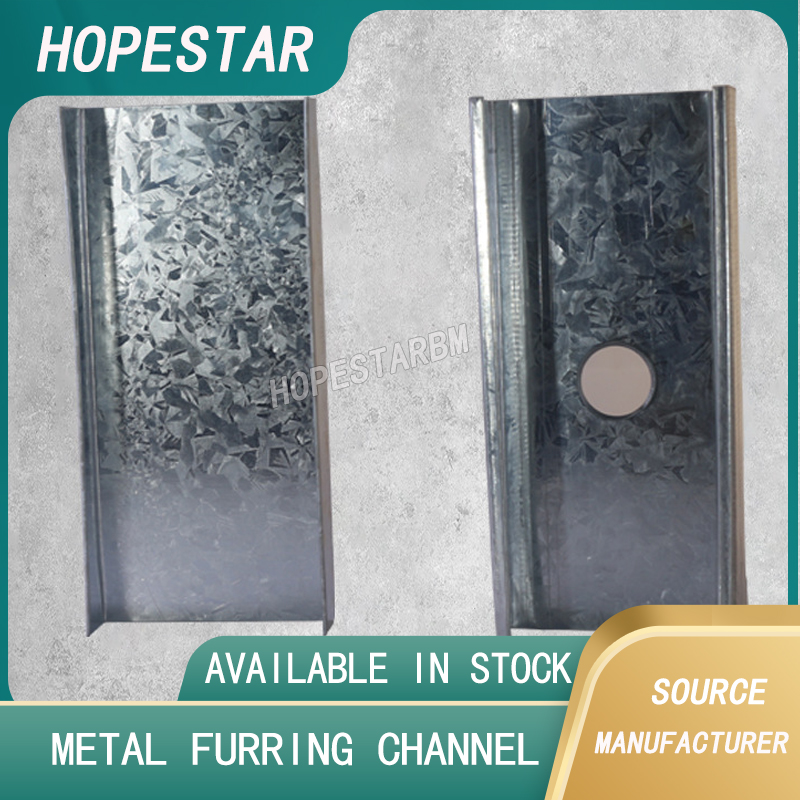
Metal furring channel is an essential galvanized steel framing material widely used in modern drywall, ceiling, and interior construction projects. Also known as metal furring, ceiling furring channel, or C-channel batten, this lightweight structural profile is designed to create level, sturdy,
Metal Furring Channel: Uses, Key Advantages and Professional Installation Guide
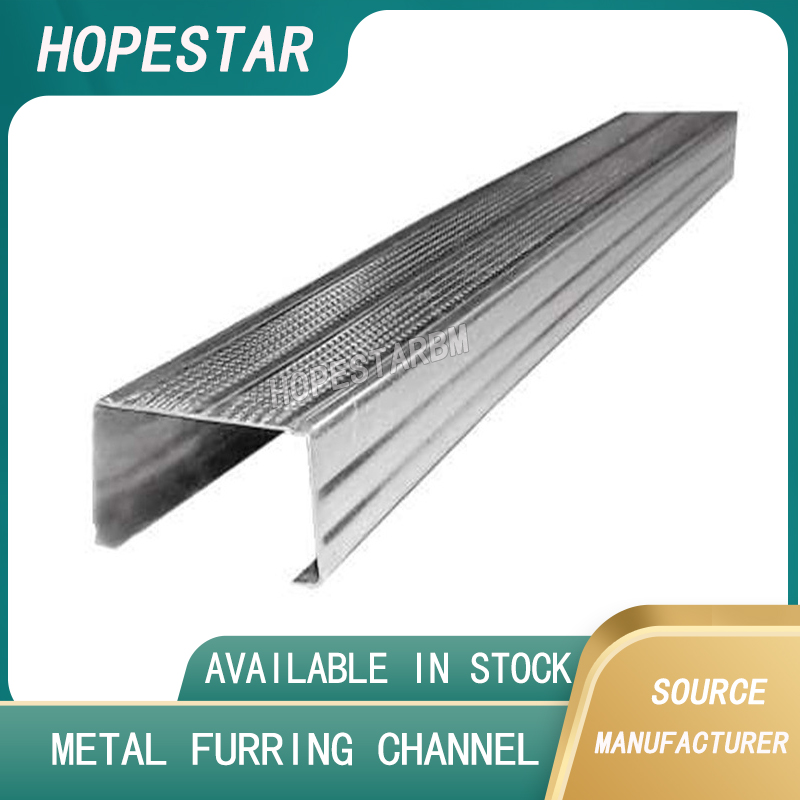
Metal ceiling has become one of the most popular modern ceiling solutions for commercial, industrial, and high-end residential construction worldwide. As a durable, aesthetic, and functional alternative to traditional gypsum, PVC, and wooden ceilings, metal ceiling systems deliver outstanding
Metal Ceiling: Types, Key Benefits, Applications and Installation Tips
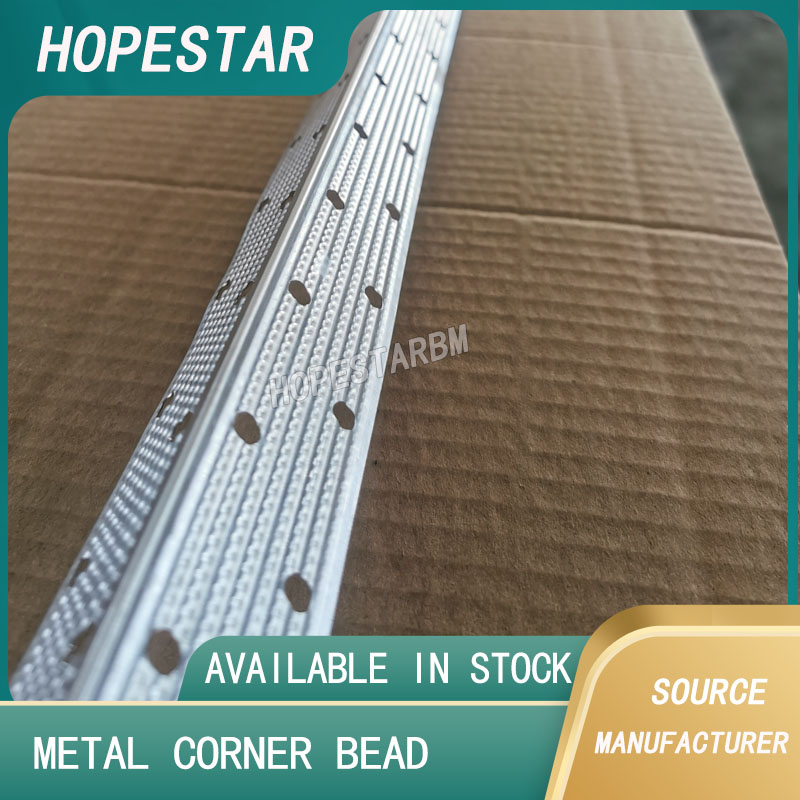
Aluminium corner bead is a premium lightweight building trim designed to reinforce, straighten, and protect drywall and plaster wall corners in modern interior and exterior construction. As a vital drywall finishing accessory, this L-shaped perforated profile solves common corner problems such as
Aluminium Corner Bead: Benefits, Applications and Installation Guide for Drywall