
Metal Furring Channel: Uses, Key Advantages and Professional Installation Guide
2026-09-24
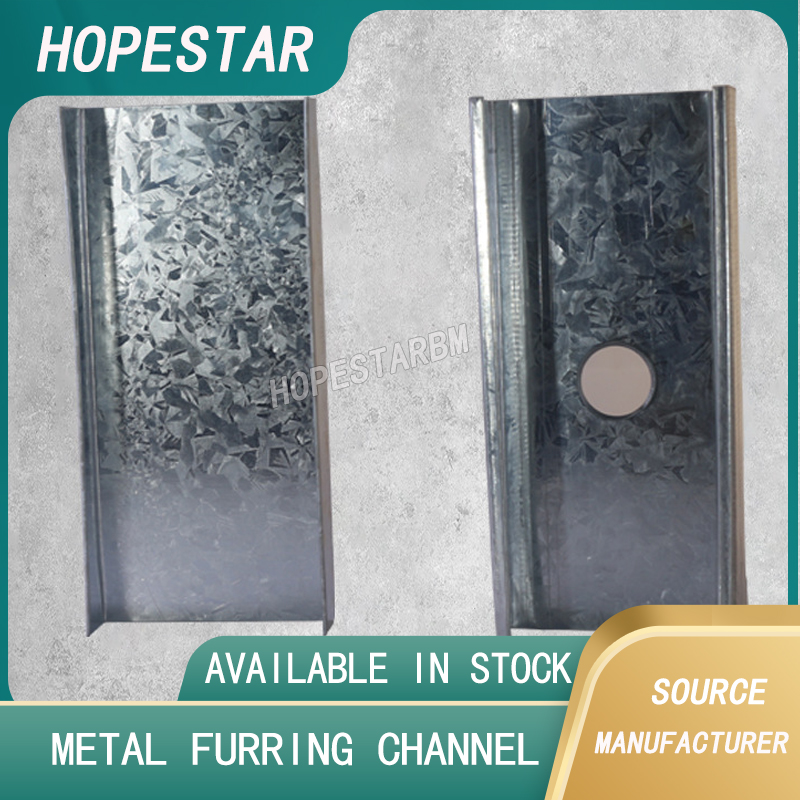
Metal furring channel is an essential galvanized steel framing material widely used in modern drywall, ceiling, and interior construction projects. Also known as metal furring, ceiling furring channel, or C-channel batten, this lightweight structural profile is designed to create level, sturdy, and durable support systems for suspended ceilings, wall cladding, and partition walls. As a core component of light steel keel systems, metal furring channels have gradually replaced traditional wooden battens due to their superior stability, fire resistance, and anti-rust performance, becoming the standard choice for residential, commercial, industrial, and public building decoration worldwide.
Metal furring channels are typically manufactured from high-quality hot-dip galvanized steel. Featuring a standard C-shaped structure with precise bending and smooth surfaces, these channels deliver balanced lightweight performance and high structural rigidity. Common specifications include 38mm, 50mm, and 75mm widths with customizable thicknesses to fit different ceiling span and load-bearing requirements. The standardized design ensures easy cutting, splicing, and assembly, making the material highly adaptable for various interior framing systems in diverse construction environments.
One of the most prominent benefits of metal furring channel is its excellent anti-corrosion and anti-rust performance. Unlike wooden battens that easily rot, deform, or grow mold in humid conditions, galvanized metal furring channels feature a complete zinc coating that isolates air and moisture. This effectively prevents oxidation and rusting, allowing long-term stable use in bathrooms, kitchens, basements, coastal buildings, and other high-humidity environments. It completely avoids common ceiling problems such as sagging, cracking, and mildew damage caused by material deterioration, greatly extending the overall service life of ceiling and wall systems.
Superior fire resistance is another critical advantage that makes metal furring channel indispensable in modern construction. Metal furring channels are non-combustible and fully compliant with international building fire safety codes. They do not burn, deform, or release toxic smoke during a fire emergency, providing stable structural support and improving overall building safety. This feature is particularly important for shopping malls, hotels, schools, hospitals, office buildings, and industrial workshops that require strict fire prevention standards, making metal furring channels a mandatory fire-safe framing material for public interior projects.
Structural stability and load-bearing capacity further highlight the value of metal furring channel. Despite its lightweight design, the integrated C-shaped structure provides strong tensile strength and impact resistance. It maintains excellent flatness and rigidity after long-term use, effectively resisting deformation caused by temperature changes, building settlement, and external pressure. When matched with hanging rods, main keels, and connection accessories, metal furring channels form a stable whole ceiling framework that firmly supports drywall panels, acoustic boards, and decorative ceiling materials, preventing local sagging or structural failure.
In terms of construction efficiency and cost performance, metal furring channel offers obvious advantages over traditional materials. Its standardized size and lightweight texture make transportation, handling, and on-site installation much easier and faster. Workers can complete cutting and assembly without complex tools, significantly shortening the construction cycle and reducing labor costs. In addition, metal furring channels require almost no daily maintenance after installation. They avoid frequent replacement and repair work needed for wooden frames, effectively lowering the long-term operation and maintenance costs of construction projects.
Environmental protection and practical versatility also make metal furring channel a preferred building material. The galvanized steel material is non-toxic, odorless, and 100% recyclable, meeting modern green building and healthy interior decoration standards. It does not produce harmful substances or formaldehyde pollution, ensuring safe and comfortable indoor environments. Meanwhile, metal furring channels support flexible customization in size, thickness, and surface treatment, adapting to flat ceilings, curved ceilings, special-shaped partitions, and various wall lining projects.
Metal furring channels cover a wide range of construction application scenarios. In commercial construction, they are widely used in office ceilings, hotel interior decoration, shopping mall suspended ceilings, and restaurant renovation. In public infrastructure, they serve schools, hospitals, stations, and exhibition centers, providing stable support for large-area ceiling systems. In industrial fields, they are ideal for factory workshops, clean rooms, and warehouse interior framing due to their dust-proof, moisture-proof, and fire-proof properties. Additionally, they are commonly used in residential renovation for ceiling shaping, wall leveling, and partition reinforcement.
To ensure optimal construction quality and long-term stability, professional installation of metal furring channels is essential. First, designers should arrange reasonable spacing and structural layout according to ceiling height and load requirements. During installation, workers must fix hanging parts firmly, keep all furring channels horizontal and straight, and ensure uniform spacing and stable connections. After the overall framework is completed, flatness inspection and debugging are required to eliminate hidden dangers such as uneven force and loose assembly, ensuring the ceiling is flat, firm, and durable.
In summary, metal furring channel is a high-performance, cost-effective, and multi-functional interior framing material. With outstanding anti-rust performance, fire safety, structural stability, and high construction efficiency, it perfectly solves the defects of traditional wooden keels. For modern interior ceiling and wall construction, choosing standardized high-quality metal furring channels is the most reliable solution to guarantee project quality, improve construction efficiency, and reduce long-term maintenance costs.
What Are Furring Channels and How Are They Used?
Metal Ceiling: Types, Key Benefits, Applications and Installation Tips
Related Article

A furring hat channel is a specialized hat-shaped galvanized steel framing profile widely used in modern drywall, ceiling suspension, and wall furring systems. Named after its unique hat-like cross-section, this lightweight metal channel features a flat top surface, two sloped sides,
What Is A Furring Hat Channel? Definition, Benefits and Common Uses
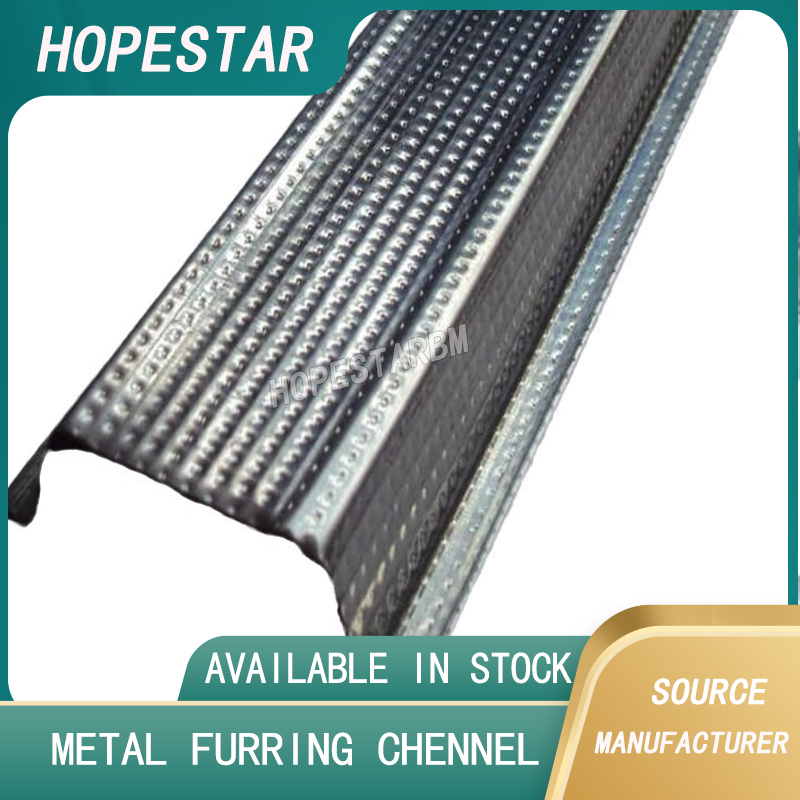
Furring channels are essential lightweight structural building components widely used in modern interior construction, drywall installation, and ceiling framing systems. Often referred to as ceiling furring, metal furring channels, or wall furring strips, these C-shaped or hat-shaped metal
What Are Furring Channels and How Are They Used?
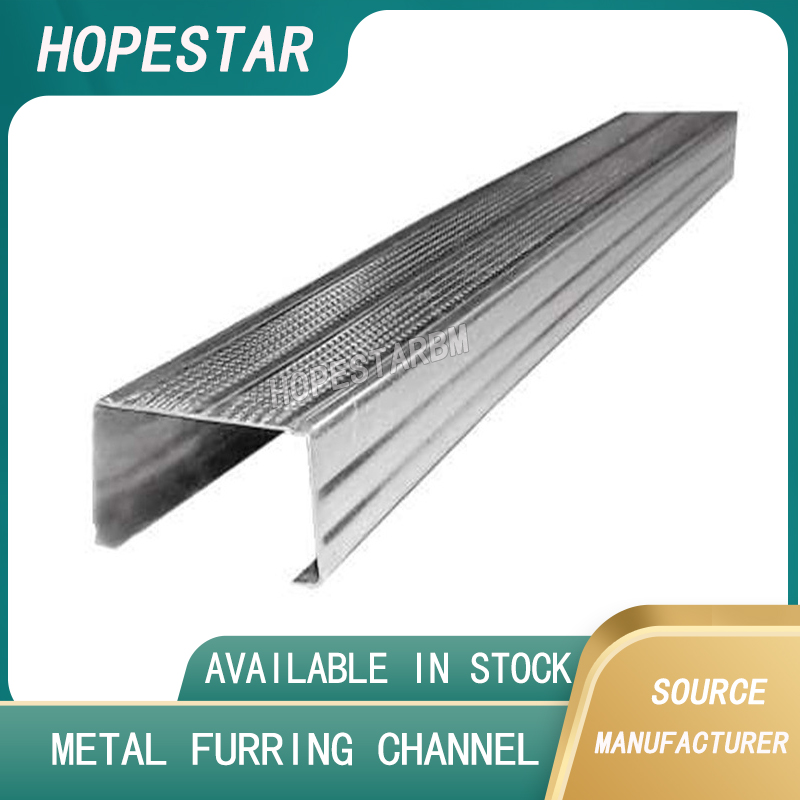
Metal ceiling has become one of the most popular modern ceiling solutions for commercial, industrial, and high-end residential construction worldwide. As a durable, aesthetic, and functional alternative to traditional gypsum, PVC, and wooden ceilings, metal ceiling systems deliver outstanding
Metal Ceiling: Types, Key Benefits, Applications and Installation Tips
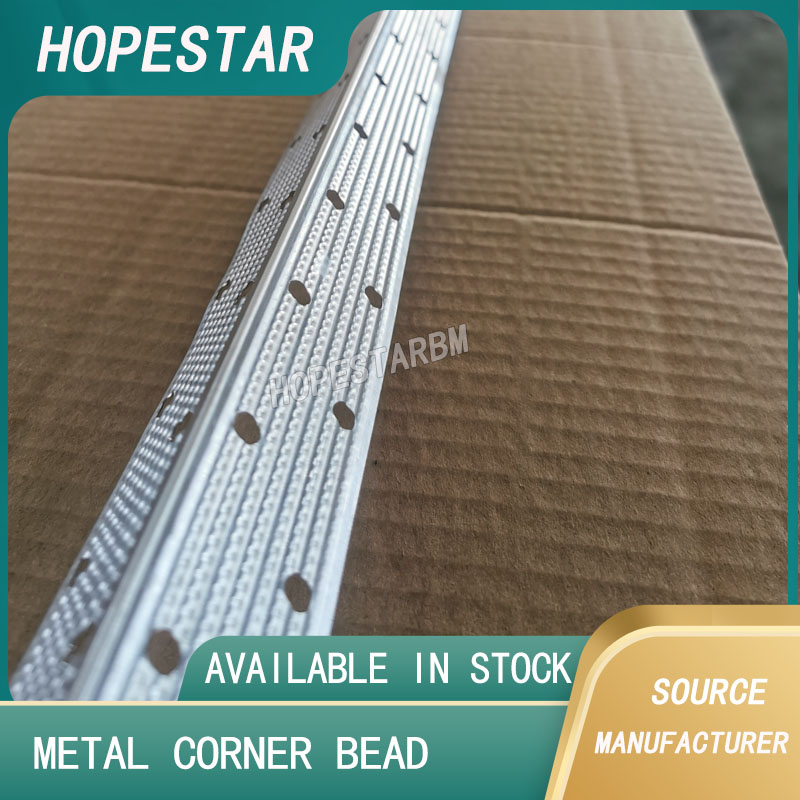
Aluminium corner bead is a premium lightweight building trim designed to reinforce, straighten, and protect drywall and plaster wall corners in modern interior and exterior construction. As a vital drywall finishing accessory, this L-shaped perforated profile solves common corner problems such as
Aluminium Corner Bead: Benefits, Applications and Installation Guide for Drywall