
Metal Ceiling: Types, Key Benefits, Applications and Installation Tips
2026-09-24
Metal ceiling has become one of the most popular modern ceiling solutions for commercial, industrial, and high-end residential construction worldwide. As a durable, aesthetic, and functional alternative to traditional gypsum, PVC, and wooden ceilings, metal ceiling systems deliver outstanding performance in stability, fire resistance, ventilation, and long-term maintenance. Made from premium aluminum, galvanized steel, or stainless steel materials, metal ceiling panels offer flexible customization options, making them the top choice for architects, contractors, and building owners pursuing high-quality interior decoration.
Modern metal ceiling products cover a wide range of types to adapt to different construction scenarios and design styles. The most common categories include metal perforated ceilings, metal strip ceilings, metal grid ceilings, square metal ceiling panels, and curved metal ceilings. Perforated metal ceilings are widely favored for their excellent sound absorption and ventilation effects, ideal for noisy public spaces. Linear strip metal ceilings provide a neat, minimalist linear visual effect, perfect for office buildings, corridors, and lobbies. Square metal ceiling panels feature easy disassembly and maintenance, commonly used in hospitals, shopping malls, and office spaces. Custom curved metal ceilings are widely applied in high-end venues to create unique artistic interior designs.
One of the biggest advantages of a metal ceiling is its exceptional durability and structural stability. Unlike gypsum ceilings that easily crack, deform, or absorb moisture, qualified metal ceiling panels are resistant to humidity, impact, and temperature changes. Premium metal materials undergo professional surface treatments such as powder coating, fluorocarbon spraying, and anodizing, which effectively prevent oxidation, fading, and corrosion. This allows metal ceilings to maintain a flat, smooth, and brand-new appearance for decades, even in humid, high-temperature, or heavily ventilated environments. It completely avoids common ceiling problems including mildew, peeling, sagging, and deformation, greatly reducing long-term building maintenance costs.
Superior fire safety performance is another core reason for the widespread use of metal ceiling systems. All metal ceiling raw materials are non-combustible and fully meet international building fire protection standards. In case of fire emergencies, metal ceilings will not burn, produce toxic smoke, or spread flames, providing reliable safety guarantees for buildings and indoor personnel. This feature makes metal ceilings mandatory decoration materials for public buildings, industrial workshops, and high-rise commercial spaces with strict fire safety requirements.
In terms of practical functionality, metal ceiling systems excel in ventilation, sound insulation, and heat dissipation. Perforated metal ceiling designs with uniform micro holes effectively absorb indoor noise, reduce echo, and improve indoor acoustic environments for offices, conference rooms, stations, and exhibition halls. Meanwhile, the gap and perforated structure of metal ceilings promote smooth indoor air circulation, accelerate heat dissipation, and improve indoor comfort. In addition, metal ceilings are highly compatible with electromechanical systems, allowing convenient hiding and later maintenance of air conditioners, ventilation pipes, electrical circuits, and fire-fighting equipment.
Aesthetic diversity and environmental friendliness further enhance the value of metal ceiling decoration. Metal ceilings support rich customizations in colors, sizes, hole patterns, and shapes, adapting to modern minimalist, industrial, luxury, and various other design styles. The smooth metal surface presents a high-grade texture, greatly improving the overall grade of building interiors. Moreover, metal ceiling materials are 100% recyclable, pollution-free, and odor-free, belonging to eco-friendly green building materials. They release no harmful substances during use, fully meeting modern green building and healthy decoration standards.
To sum up, metal ceiling systems integrate durability, safety, functionality, and aesthetics, perfectly solving the defects of traditional ceiling materials. With reliable performance, low maintenance, strong practicability, and diverse design options, metal ceilings have become the mainstream ceiling decoration solution in modern construction. Choosing high-quality metal ceiling products is an effective way to improve building quality, safety, and interior space comfort.
Metal Furring Channel: Uses, Key Advantages and Professional Installation Guide
Aluminium Corner Bead: Benefits, Applications and Installation Guide for Drywall
Related Article

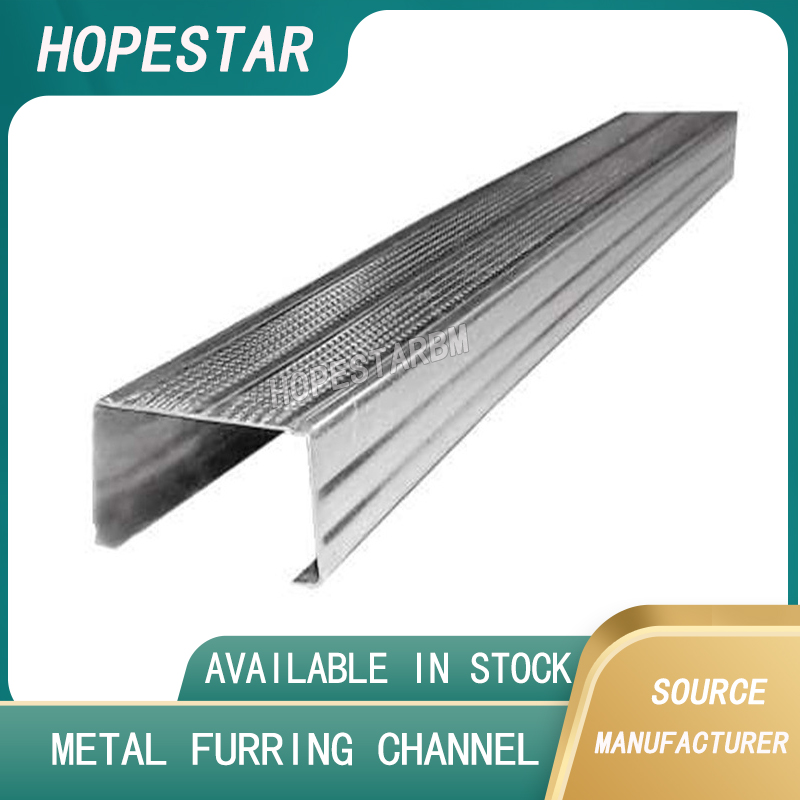
A furring hat channel is a specialized hat-shaped galvanized steel framing profile widely used in modern drywall, ceiling suspension, and wall furring systems. Named after its unique hat-like cross-section, this lightweight metal channel features a flat top surface, two sloped sides,
What Is A Furring Hat Channel? Definition, Benefits and Common Uses
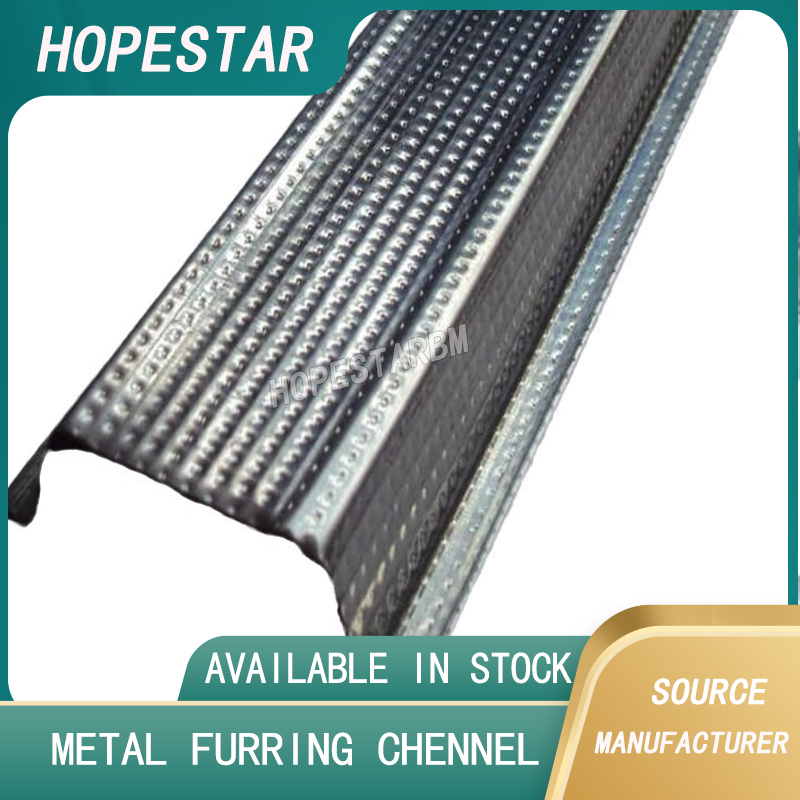
Furring channels are essential lightweight structural building components widely used in modern interior construction, drywall installation, and ceiling framing systems. Often referred to as ceiling furring, metal furring channels, or wall furring strips, these C-shaped or hat-shaped metal
What Are Furring Channels and How Are They Used?
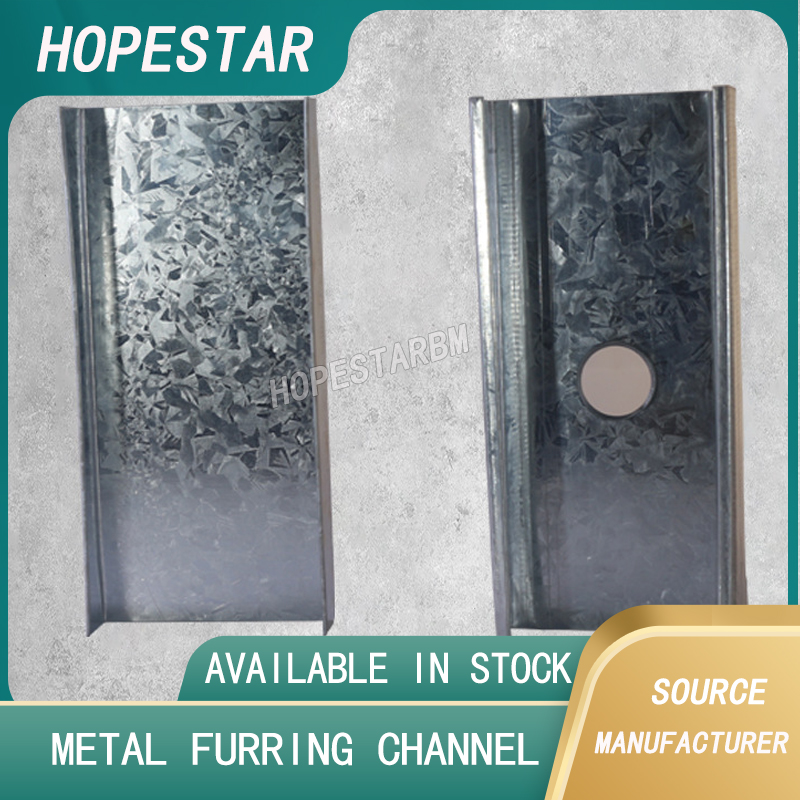
Metal furring channel is an essential galvanized steel framing material widely used in modern drywall, ceiling, and interior construction projects. Also known as metal furring, ceiling furring channel, or C-channel batten, this lightweight structural profile is designed to create level, sturdy,
Metal Furring Channel: Uses, Key Advantages and Professional Installation Guide
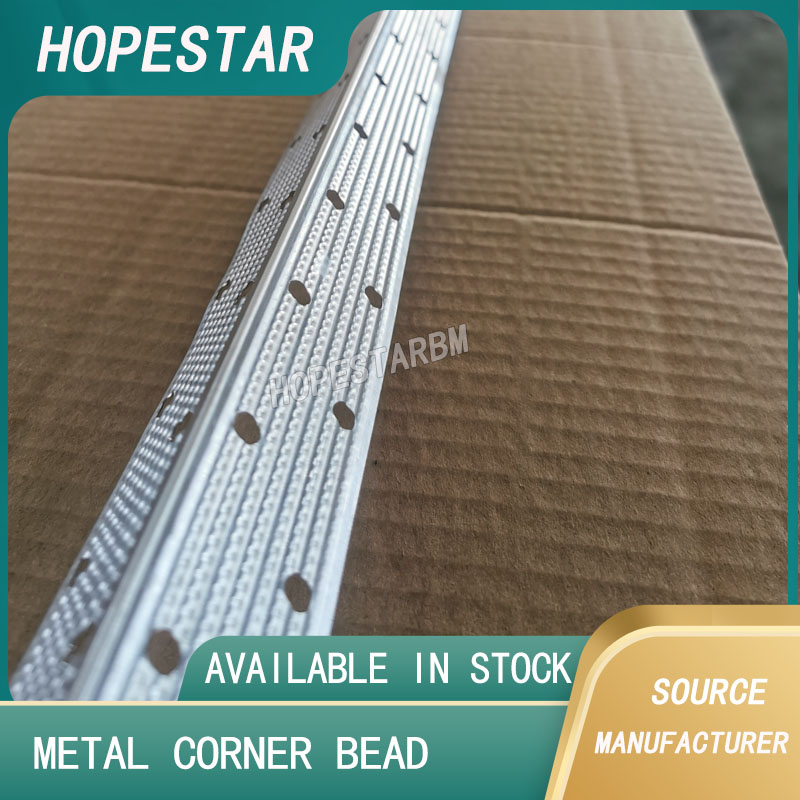
Aluminium corner bead is a premium lightweight building trim designed to reinforce, straighten, and protect drywall and plaster wall corners in modern interior and exterior construction. As a vital drywall finishing accessory, this L-shaped perforated profile solves common corner problems such as
Aluminium Corner Bead: Benefits, Applications and Installation Guide for Drywall