
Aluminium Corner Bead: Benefits, Applications and Installation Guide for Drywall
2026-09-24
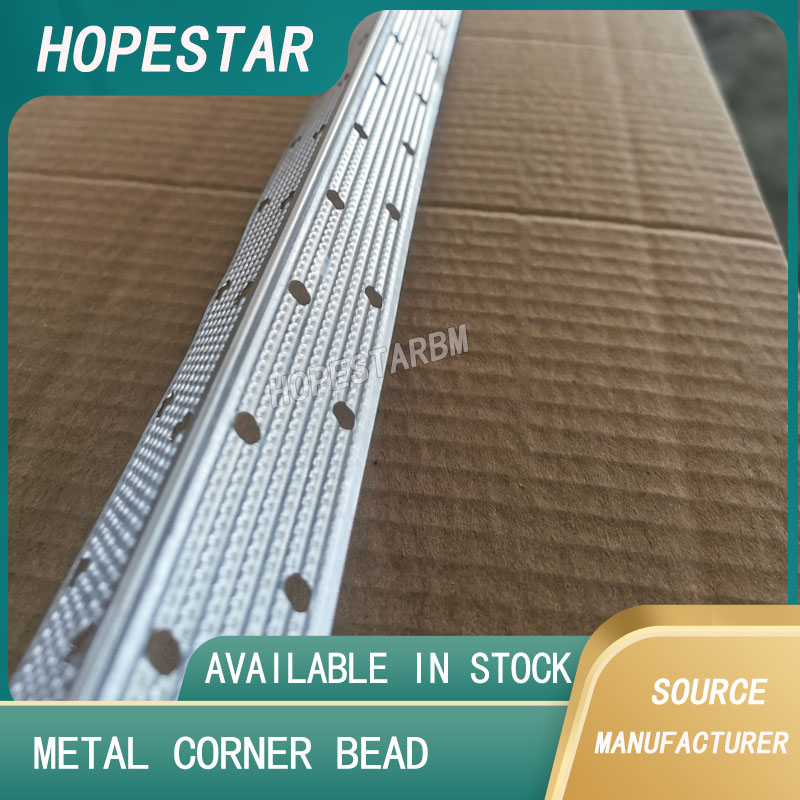
Aluminium corner bead is a premium lightweight building trim designed to reinforce, straighten, and protect drywall and plaster wall corners in modern interior and exterior construction. As a vital drywall finishing accessory, this L-shaped perforated profile solves common corner problems such as chipping, cracking, uneven edges, and impact damage. Compared with traditional steel, plastic, and paper corner trims, aluminium corner bead stands out for its rust-proof performance, ultra-light weight, and long-term stability, making it a top choice for high-quality residential, commercial, and industrial decoration projects worldwide.
One of the most outstanding advantages of aluminium corner bead is its natural corrosion resistance. Unlike GI metal corner bead that relies on galvanized coating for anti-rust protection, pure aluminium materials feature inherent oxidation resistance. It never rusts even in humid, coastal, and high-moisture environments such as bathrooms, kitchens, basements, and outdoor wall corners. This unique property effectively avoids wall yellowing, peeling, and edge deterioration caused by metal rust, greatly extending the service life of wall finishing and reducing later maintenance costs.
Lightweight and high rigidity is another core feature of aluminium corner bead. The aluminium alloy material is much lighter than steel trims, which lowers the overall load of building walls and ceilings. It is easy to cut, carry, and install manually, significantly improving construction efficiency and saving labor time for contractors. Despite its light weight, the standardized 90-degree L-shaped structure provides excellent structural support. It perfectly fixes the straightness of wall corners, eliminates crooked and irregular plaster edges, and delivers neat, uniform, and professional finishing effects for all drywall and plaster surfaces.
The perforated wing design of aluminium corner bead ensures ultra-firm adhesion with joint compound and plaster mortar. The dense and uniform holes allow the mortar to penetrate and bond tightly with the profile, effectively preventing hollowing, peeling, and deformation after long-term use. Moreover, aluminium corner bead has strong weather resistance and low thermal expansion, resisting deformation and cracking caused by temperature changes. It adapts to various extreme climates and maintains stable corner flatness all year round, suitable for both indoor renovation and outdoor facade decoration.
Widely versatile in construction scenarios, aluminium corner bead covers almost all wall corner protection and finishing works. It is extensively applied in residential building interior decoration, office buildings, shopping malls, hotels, schools, and hospitals. It is ideal for high-traffic areas that require frequent cleaning and collision resistance. In addition, it is widely used for window and door edge corners, ceiling wall joints, exterior wall plastering, and old wall renovation projects, meeting diverse construction and finishing needs.
In conclusion, aluminium corner bead is a high-performance, cost-effective, and durable drywall accessory. With natural anti-rust ability, lightweight structure, precise finishing effect, and wide environmental adaptability, it surpasses traditional corner materials. Choosing premium aluminium corner bead is the best solution to create sharp, damage-resistant, and long-lasting wall corners for modern construction projects.
Metal Ceiling: Types, Key Benefits, Applications and Installation Tips
African Furring Channel
Related Article
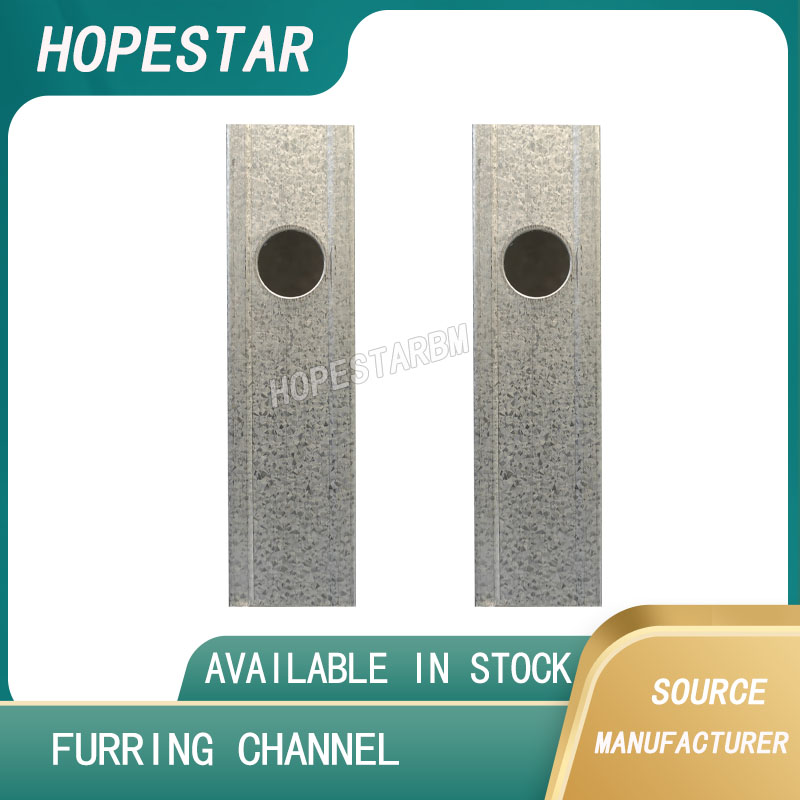
Ceiling wall angle, also known as perimeter angle or L-angle, is an indispensable L-shaped metal profile for suspended drywall ceiling systems. Roll-formed from cold-rolled galvanized steel, ceiling wall angle is fixed along the wall perimeter to support the ends of main channels and furring channels,
Ceiling Wall Angle – Galvanized L-Shaped Perimeter Trim for Suspended Drywall Ceilings
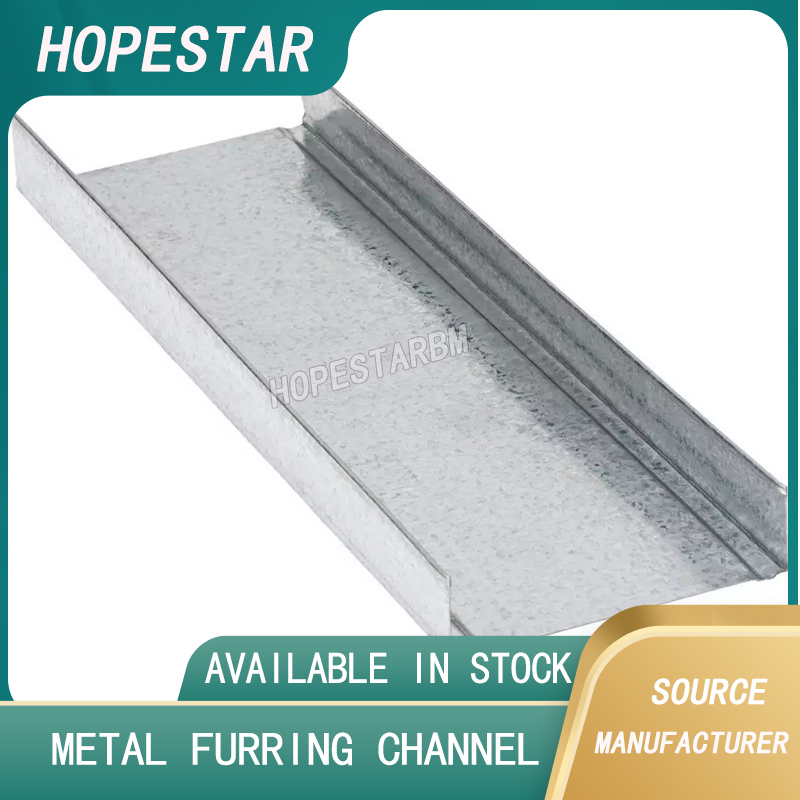
Galvanized steel profiles are the foundational metal framing components widely used in modern interior construction. Roll-formed from cold-rolled steel coated with protective zinc layer, galvanized steel profiles cover a full range of shapes including C studs, U tracks, omega channels,
Galvanized Steel Profiles – Reliable Cold Rolled Framing for Drywall Walls and Ceilings

Metal furring channel for ceiling is a vital secondary framing component widely used in suspended ceiling and drywall ceiling systems. Roll-formed from cold-rolled galvanized steel, this lightweight metal profile works together with main channels, hangers and wall angles to create a level,
Metal Furring Channel for Ceiling – Galvanized Secondary Framing for Suspended Drywall Ceilings

Metal omega channel, also widely called omega furring channel or hat channel, is an indispensable secondary metal framing profile for modern suspended ceilings and drywall wall furring systems. Named after its distinctive Ω shape, this profile is roll-formed from cold-rolled galvanized steel
Metal Omega Channel – Galvanized Omega Furring Channel for Drywall Ceiling and Wall Framing