
What Is Perforated Metal?
2026-09-24
Perforated metal, also known as perforated sheet metal or punched metal, is a versatile industrial material manufactured by stamping uniform holes of various shapes and sizes into metal sheets or plates. Common base materials include stainless steel, carbon steel, aluminum, galvanized steel, and copper. With customizable hole patterns, hole sizes, and sheet thicknesses, perforated metal has become one of the most widely used functional and decorative metal materials in modern construction, manufacturing, and industrial filtration industries.
Different from ordinary flat metal sheets, the unique porous structure of perforated metal balances structural stability, ventilation performance, and aesthetic effect. It not only retains the high strength, durability, and corrosion resistance of raw metal materials but also adds breathable, sound-insulating, light-transmitting, and anti-slip functions, making it irreplaceable in multiple industrial and commercial scenarios.
Core Features and Advantages of Perforated Metal
Perforated metal gains huge market popularity thanks to its comprehensive performance advantages that meet both practical engineering needs and decorative design requirements. Its core benefits are summarized as follows:
-
Excellent Ventilation and Filtration Performance: The orderly perforated design ensures smooth air and liquid circulation while blocking impurities, dust, and large particles. This feature makes it ideal for industrial filtration equipment, ventilation systems, and exhaust devices.
-
High Structural Strength and Durability: Even with dense holes, the integral metal structure maintains strong tensile strength and load-bearing capacity. It resists deformation, abrasion, and impact, suitable for long-term outdoor and heavy-duty industrial use.
-
Superior Sound Insulation and Noise Reduction: The porous structure can absorb and weaken sound waves, effectively reducing noise transmission. It is widely used for noise reduction walls, equipment sound insulation covers, and studio sound-absorbing panels.
-
Customizable and Versatile Design: Manufacturers can customize round, square, rectangular, hexagonal, and special-shaped holes with different aperture rates. The surface can be treated with galvanization, powder coating, polishing, and anti-corrosion coating to adapt to diverse usage environments.
-
Lightweight and Cost-Effective: Compared with solid metal plates, perforated metal reduces overall weight while ensuring performance, lowering transportation, installation, and material costs for engineering projects.
-
Beautiful Decorative Effect: Regular hole arrangements form a unique geometric texture, which is widely applied in architectural decoration, curtain walls, interior partitions, and landscape facilities to create modern and minimalist visual effects.
GI Metal Corner Bead
Metal Corner Bead Hole Wall Angle
Related Article

A furring hat channel is a specialized hat-shaped galvanized steel framing profile widely used in modern drywall, ceiling suspension, and wall furring systems. Named after its unique hat-like cross-section, this lightweight metal channel features a flat top surface, two sloped sides,
What Is A Furring Hat Channel? Definition, Benefits and Common Uses
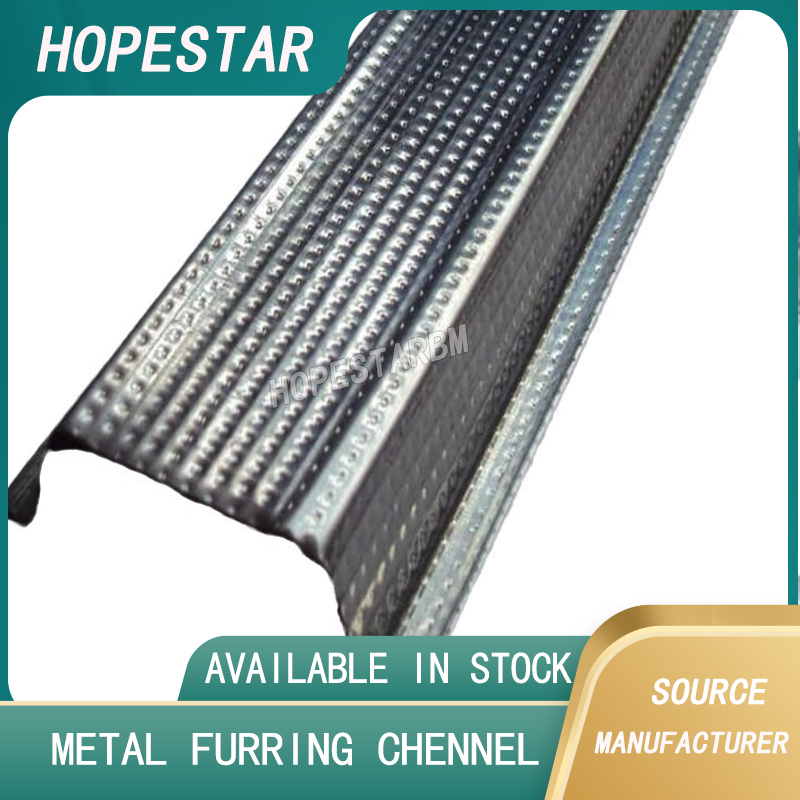
Furring channels are essential lightweight structural building components widely used in modern interior construction, drywall installation, and ceiling framing systems. Often referred to as ceiling furring, metal furring channels, or wall furring strips, these C-shaped or hat-shaped metal
What Are Furring Channels and How Are They Used?
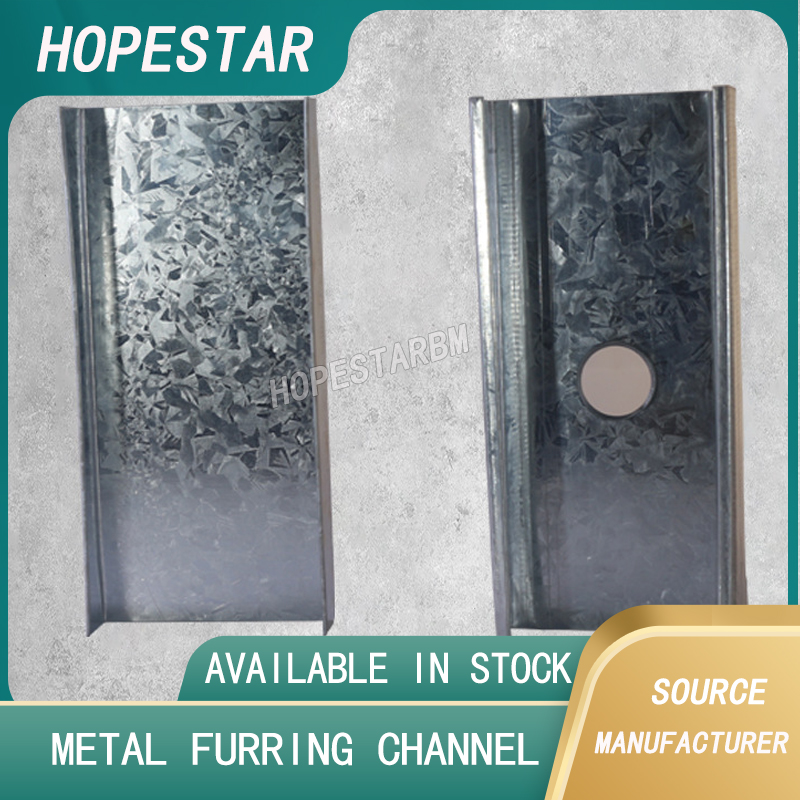
Metal furring channel is an essential galvanized steel framing material widely used in modern drywall, ceiling, and interior construction projects. Also known as metal furring, ceiling furring channel, or C-channel batten, this lightweight structural profile is designed to create level, sturdy,
Metal Furring Channel: Uses, Key Advantages and Professional Installation Guide
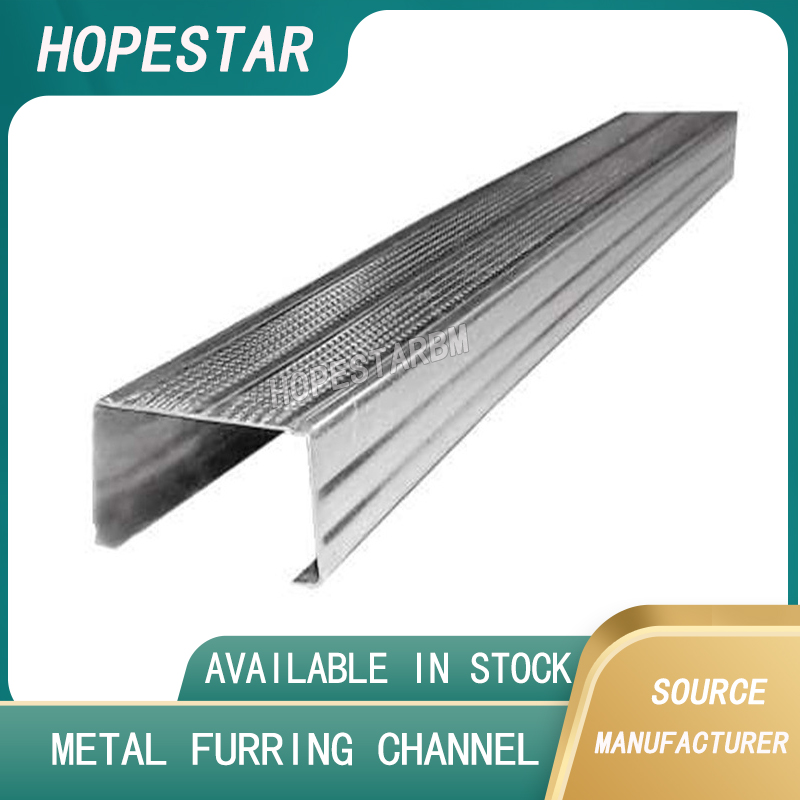
Metal ceiling has become one of the most popular modern ceiling solutions for commercial, industrial, and high-end residential construction worldwide. As a durable, aesthetic, and functional alternative to traditional gypsum, PVC, and wooden ceilings, metal ceiling systems deliver outstanding
Metal Ceiling: Types, Key Benefits, Applications and Installation Tips