
What are the standard sizes of Z furring channels?
2026-09-14
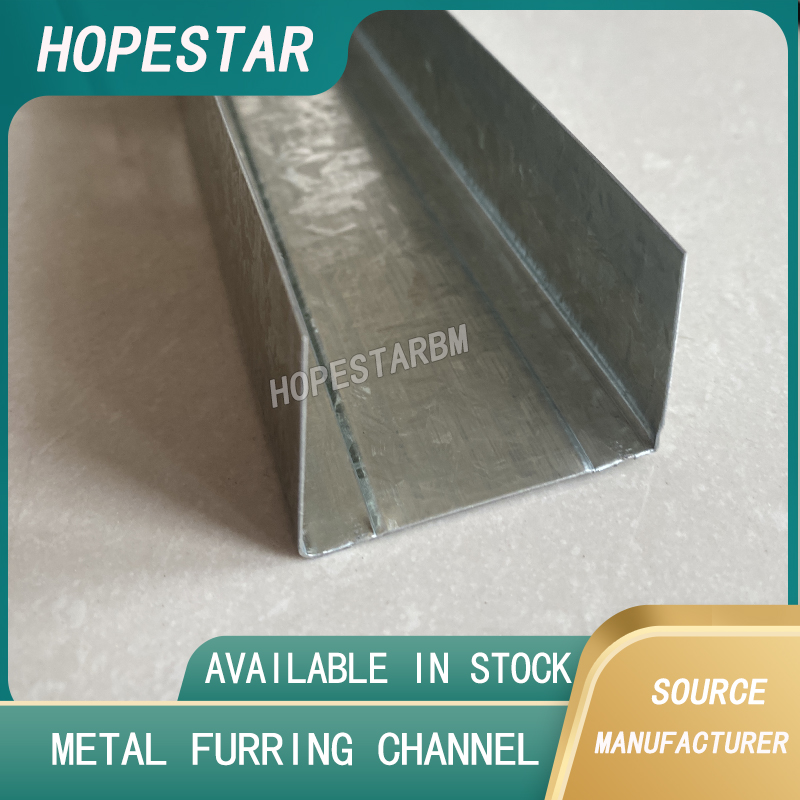
Z furring channels are essential cold-formed steel profiles widely used in drywall installation, wall insulation, ceiling leveling, and exterior cladding projects. Compared with traditional C-shaped furring channels, Z furring channels feature a unique asymmetrical Z-shaped cross-section, offering better flatness, stronger stability, and higher installation efficiency. For architects, contractors, and construction engineers, mastering the standard sizes of Z furring channels is critical for accurate budget estimation, standardized construction, and avoiding structural flatness defects and material waste.
Z furring channel standard sizes are uniformly defined based on three core parameters: channel depth, flange width, and steel gauge thickness, covering residential decoration, commercial buildings, and industrial engineering scenarios. In mainstream American and international construction standards, the standard depth ranges from 1 inch (25mm) to 4 inches (102mm), which determines the insulation gap and vertical support height. The most commonly used conventional sizes include 1”, 1.5”, 2”, 2.5”, 3”, and 4”. Among them, 1-inch and 1.5-inch shallow-depth Z furring channels are the most popular for residential interior wall leveling and thin insulation laying, while 3-inch and 4-inch large-size specifications are specially designed for high-R-value insulation systems and thick exterior wall cladding structures.
In terms of flange width, standard Z furring channel flanges range from 0.75 inches to 2.5 inches. The flange directly affects the fixing area of drywall boards and insulation materials. Wider flanges provide more fastening points, enhance overall structural stability, and effectively prevent wall panel deformation and cracking. For heavy-duty commercial ceilings and large-area wall cladding projects, 1.5-inch to 2-inch flange specifications are preferred to meet higher load-bearing requirements.
Steel gauge thickness is another key standard dimension that determines the strength and load capacity of Z furring channels. The mainstream standard gauges cover 14, 16, 18, 20, and 22 gauge. Lightweight 20 to 22-gauge thin materials are suitable for low-load residential interior decoration, featuring light weight and cost savings. Medium 18-gauge specifications balance strength and economy, ideal for most office and commercial building renovation projects. Heavy-duty 14 and 16-gauge thick steel Z furring channels have excellent compression and bending resistance, exclusively used for large-span ceilings, exterior wall insulation, and industrial building load-bearing structures.
The standard factory length of Z furring channels is usually 10 feet, with customizable extended lengths to adapt to different construction spans. Each standard size corresponds to a specific application scenario. Shallow small sizes focus on lightweight leveling, while deep large sizes focus on structural support and thick insulation installation. Selecting matched standard sizes according to wall type, insulation thickness, and load demand can maximize construction accuracy, ensure wall and ceiling flatness, and extend the service life of the overall decoration system.
In summary, the standardized size system of Z furring channels covers depth, flange width, steel gauge, and fixed length. Understanding these standard sizes helps construction personnel achieve scientific material selection, standardized construction, and effective cost control, making Z furring channels a reliable and efficient solution for modern building interior and exterior finishing projects.
galvanized profile c
What is the difference between a furring channel and a C channel?
Related Article
Steel U channel and C channel are two of the most widely used cold-formed steel profiles in modern construction, mechanical manufacturing and architectural decoration. Although both feature open-channel structures and serve as essential support and framing components,
Steel U Channel vs C Channel
Zinc Aluminum Magnesium (ZAM) metal frame is a new-generation high-performance structural framing material widely adopted in modern construction, industrial installation and exterior engineering. Different from traditional galvanized steel frames, ZAM metal frames are coated
Zinc Aluminum Magnesium metal frame

Galvanized profile C, also widely known as galvanized C-channel steel, is one of the most versatile cold-formed steel components in modern construction and industrial engineering. Manufactured through hot-dip galvanizing or electro-galvanizing treatment on low-carbon steel substrates,
galvanized profile c
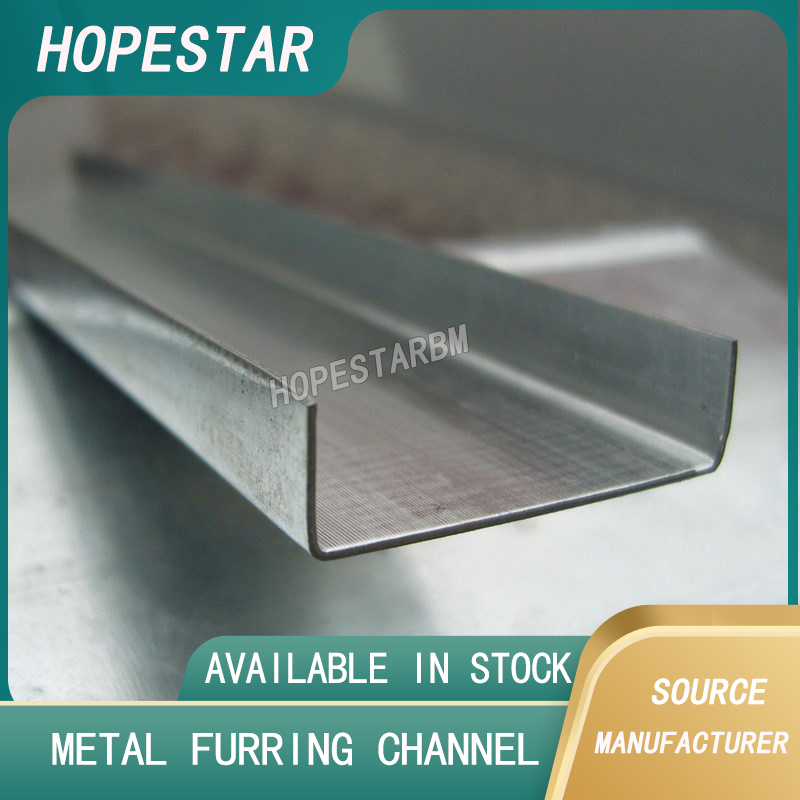
Many construction professionals often confuse furring channels and C channels in interior framing and ceiling suspension projects. Although both are common metal framing components for drywall, ceiling systems and wall leveling, they feature distinct structural designs, load-bearing performance and
What is the difference between a furring channel and a C channel?