
What is the difference between a furring channel and a C channel?
2026-09-14
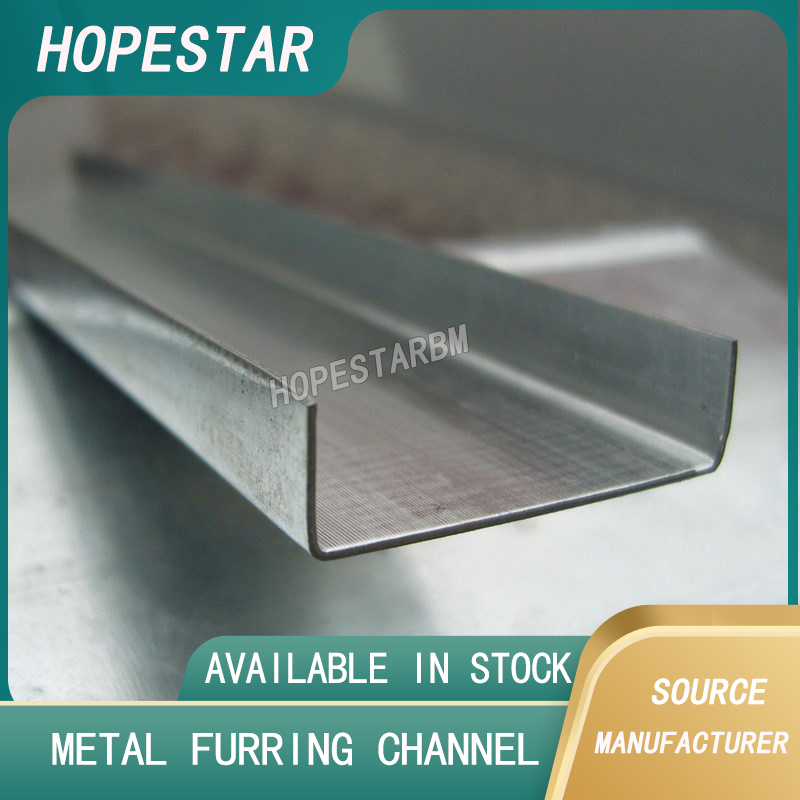
Many construction professionals often confuse furring channels and C channels in interior framing and ceiling suspension projects. Although both are common metal framing components for drywall, ceiling systems and wall leveling, they feature distinct structural designs, load-bearing performance and application scenarios. Understanding the core differences between furring channel and C channel is essential for optimizing construction quality, reducing structural risks and improving project cost efficiency.
A furring channel is a lightweight auxiliary building profile designed specifically for finishing leveling and gap adjustment. Its core function is to create a flat installation base and form a stable air insulation gap between the original building substrate and decorative surfaces such as drywall and ceiling panels. Most furring channels adopt special hat-shaped or thin C-shaped cross-sections, featuring thin wall thickness, light weight and flexible installation. This profile focuses on flatness correction rather than heavy load bearing, making it ideal for renovating uneven concrete walls, masonry surfaces and indoor ceiling finishing projects.
In contrast, a standard C channel is a professional structural load-bearing profile with a standardized C-shaped cross-section consisting of complete webs and parallel flanges. Different from ordinary furring channels, C channels have thicker wall thickness, higher structural rigidity and excellent compression and bending resistance. It belongs to load-bearing structural accessories, capable of bearing heavy loads such as ceiling suspension systems, multi-layer insulation materials and large-area decorative panels. Standard C channels follow unified industry specifications with stable structural parameters, widely used in commercial buildings, industrial workshops and large-span ceiling projects requiring high structural stability.
The most intuitive difference between furring channel and C channel lies in performance positioning and load capacity. Furring channels are lightweight finishing components with low load-bearing limits, mainly used for surface leveling and auxiliary fixing. They cannot bear excessive suspension loads and are suitable for conventional indoor decoration scenarios. C channels are heavy-duty structural profiles with strong spanning capacity and impact resistance, able to adapt to high-load and long-span construction environments, effectively avoiding structural deformation and ceiling sagging problems.
Their installation methods and applicable scenarios also vary greatly. Furring channels are mostly fixed directly on wall and ceiling substrates, featuring simple construction, fast speed and low cost, which can greatly shorten the decoration cycle. C channels are usually used as the main keel framework, matched with auxiliary profiles to form an integral suspension system, suitable for high-standard construction projects with strict requirements on structural safety and durability.
In conclusion, furring channels focus on finishing leveling and cost-effectiveness, while C channels focus on structural bearing and safety stability. Choosing the right profile according to project requirements can effectively improve construction quality, avoid hidden structural dangers and realize scientific and economical construction layout.
What are the standard sizes of Z furring channels?
C Channel Furring
Related Article
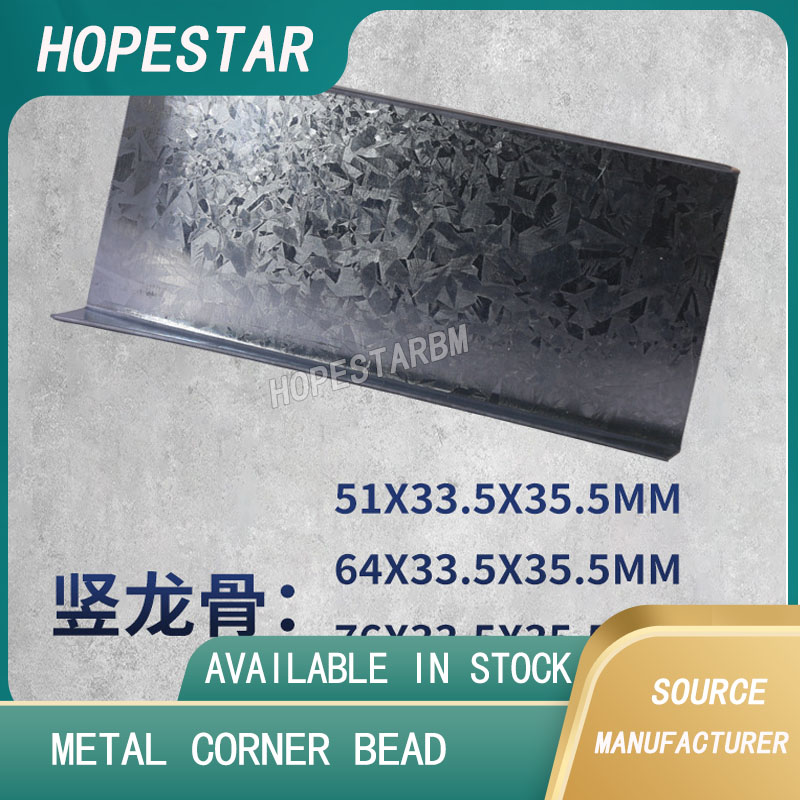
Steel U channel and C channel are two of the most widely used cold-formed steel profiles in modern construction, mechanical manufacturing and architectural decoration. Although both feature open-channel structures and serve as essential support and framing components,
Steel U Channel vs C Channel
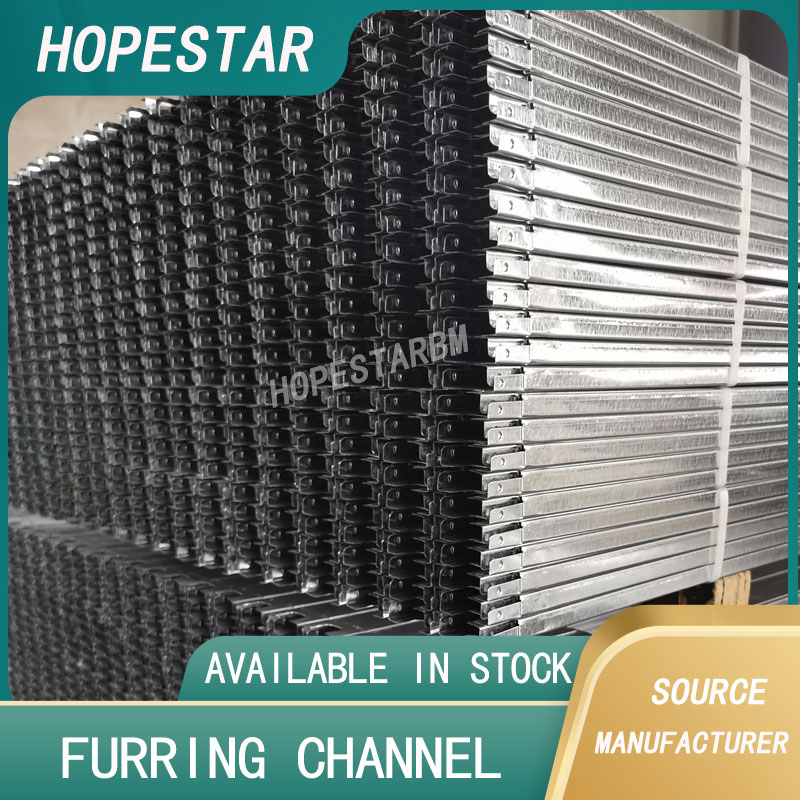
Zinc Aluminum Magnesium (ZAM) metal frame is a new-generation high-performance structural framing material widely adopted in modern construction, industrial installation and exterior engineering. Different from traditional galvanized steel frames, ZAM metal frames are coated
Zinc Aluminum Magnesium metal frame

Galvanized profile C, also widely known as galvanized C-channel steel, is one of the most versatile cold-formed steel components in modern construction and industrial engineering. Manufactured through hot-dip galvanizing or electro-galvanizing treatment on low-carbon steel substrates,
galvanized profile c
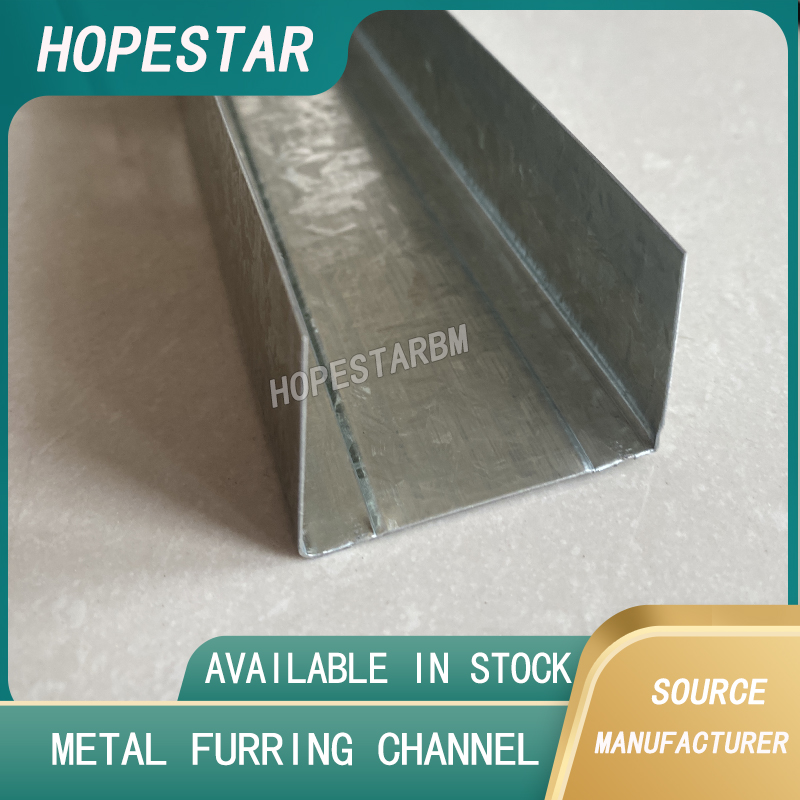
Z furring channels are essential cold-formed steel profiles widely used in drywall installation, wall insulation, ceiling leveling, and exterior cladding projects. Compared with traditional C-shaped furring channels, Z furring channels feature a unique asymmetrical Z-shaped cross-section,
What are the standard sizes of Z furring channels?