
Galvanized Steel: Benefits, Types, Uses, and Complete Guide
2026-08-24
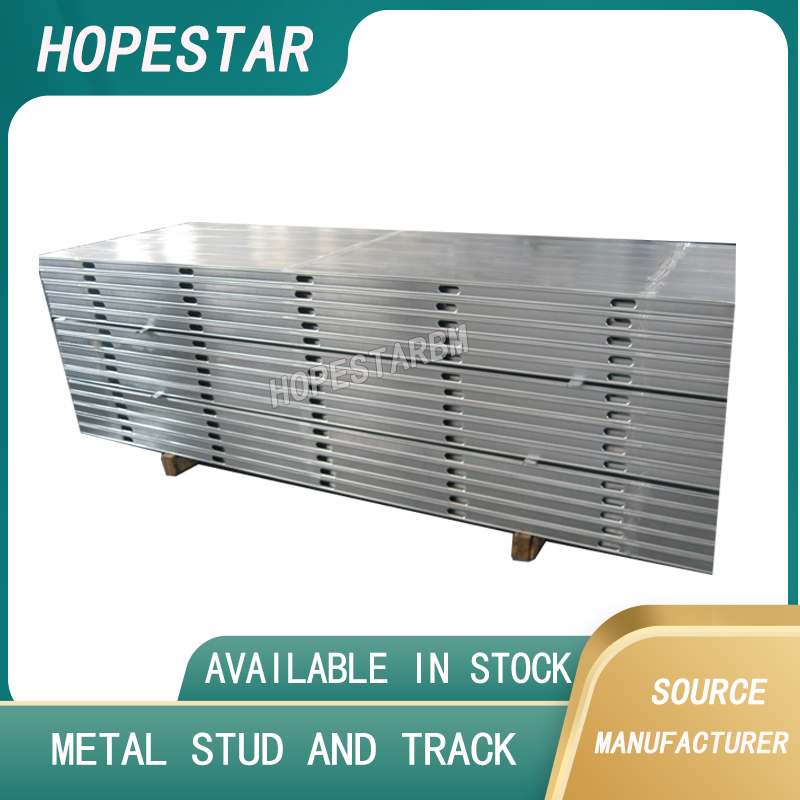
Galvanized steel is one of the most widely used construction and industrial metals worldwide, valued for its exceptional corrosion resistance, long service life, and cost-efficiency. For builders, manufacturers, and DIY renovators, choosing galvanized steel over raw carbon steel eliminates constant rust repairs, frequent replacements, and costly long-term maintenance. Whether you’re working on metal stud framing, roofing, outdoor fencing, automotive parts, or plumbing systems, understanding how galvanized steel works, its core advantages, and ideal applications helps you make smarter material choices for every project. This detailed SEO guide covers everything about galvanized steel, including its working principle, common types, key benefits, typical uses, and maintenance tips.
What Is Galvanized Steel?
Galvanized steel refers to regular carbon steel coated with a protective layer of pure zinc through a specialized galvanization process. The core purpose of this zinc coating is to prevent iron oxidation and rust formation when steel is exposed to moisture, oxygen, salt spray, and corrosive pollutants in outdoor or humid indoor environments.
Unlike painted or coated steel that only provides physical surface protection, galvanized steel offers a unique dual defense system: a physical barrier that seals off external corrosive elements and cathodic sacrificial protection. If the zinc layer gets scratched, chipped, or cut, the surrounding zinc corrodes first to shield the exposed steel substrate, stopping rust from spreading effectively. This self-healing feature makes galvanized steel far more durable than ordinary uncoated steel.
Common Types of Galvanized Steel
There are three primary types of galvanized steel used in commercial and residential projects, differing in coating thickness, production process, and application scenarios:
1. Hot-Dip Galvanized Steel (HDG)
Hot-dip galvanization is the most popular and traditional method. Steel components are fully immersed in molten zinc at high temperatures, forming a thick, uniform, and tightly bonded zinc layer. HDG steel features excellent corrosion resistance, with a service life of 50–70 years in normal rural atmospheric environments and 30–50 years in harsh coastal salt-spray areas. It is ideal for heavy-duty outdoor structures, structural framing, guardrails, and industrial equipment.
2. Electro-Galvanized Steel (EG)
Also known as cold galvanized steel, electro-galvanized steel uses an electrochemical process to attach a thin zinc layer to the steel surface. The coating is smooth, uniform, and suitable for precise fabrication and painting. Though its corrosion resistance is weaker than HDG steel, it has a clean finish and is widely used for indoor metal studs, automotive body panels, electrical enclosures, and light hardware accessories.
3. Pre-Galvanized Steel
Pre-galvanization applies zinc coating to steel coils or sheets before cutting and fabrication. It delivers consistent coating quality, cost savings, and fast processing. This type is commonly used for standard construction materials like metal framing, pipes, and light structural components with low corrosion exposure risks.
Top Key Benefits of Galvanized Steel
Galvanized steel dominates modern construction and manufacturing thanks to its unmatched comprehensive advantages over raw steel and other coated metals:
-
Superior Rust and Corrosion Resistance: The zinc barrier blocks moisture and oxygen contact, preventing rust and oxidation. It performs reliably in humid bathrooms, rainy outdoor spaces, salty coastal regions, and polluted industrial zones, avoiding premature structural deterioration.
-
Ultra-Long Service Life: Properly galvanized steel requires no frequent repainting or repair. HDG steel can last up to 70 years in mild environments, drastically reducing replacement frequency compared to uncoated steel that rusts through in just a few years outdoors.
-
Low Long-Term Lifecycle Cost: While galvanized steel has a slightly higher upfront cost than raw carbon steel, it eliminates ongoing maintenance, repainting, and replacement expenses. Its 50-year lifecycle cost is significantly lower than stainless steel and ordinary coated steel, delivering excellent economic value.
-
Excellent Versatility and Workability: Galvanized steel can be easily cut, bent, welded, drilled, and fabricated with standard tools. It adapts to diverse design requirements for both structural and decorative applications, offering great flexibility for engineers and builders.
-
High Sustainability and Recyclability: Both the steel substrate and zinc coating are 100% recyclable without quality loss. The zinc layer can be separated and reused, making galvanized steel an eco-friendly material that reduces industrial waste.
-
Proven Structural Stability: The zinc coating enhances surface toughness without compromising the steel’s inherent tensile strength and load-bearing capacity. It maintains stable structural performance for decades, meeting strict building code standards.
Major Applications of Galvanized Steel
Thanks to its versatile performance, galvanized steel is widely adopted across residential, commercial, industrial, and automotive industries:
1. Building and Construction
This is the largest application field. Galvanized steel is used for metal stud wall framing, roofing sheets, wall siding, ceiling grids, fencing, guardrails, structural support beams, concrete reinforcement, and HVAC ducting. It is especially favored for interior partition walls and outdoor building structures due to its low maintenance and durable performance.
2. Automotive Industry
Most modern vehicles use electro-galvanized steel for body panels, chassis parts, and internal components. The zinc coating protects car bodies from rust caused by rain, snow, and road salt, extending vehicle service life and preserving appearance quality.
3. Industrial and Infrastructure Projects
HDG steel is widely used for utility poles, transmission towers, pipeline systems, outdoor storage racks, industrial equipment frames, and highway facilities. It withstands harsh outdoor conditions and ensures long-term operational safety of infrastructure.
4. Daily Hardware and Manufacturing
Galvanized steel is processed into screws, bolts, brackets, metal furniture, storage shelves, and electrical boxes. Its rust-proof property guarantees stable performance for daily and commercial hardware.
Galvanized Steel vs. Stainless Steel vs. Raw Steel
Many project owners confuse these three common steel materials. A simple comparison helps with accurate selection:
-
Raw Carbon Steel: Low upfront cost but no corrosion resistance. It rusts quickly outdoors, requiring frequent painting and maintenance, with a short service life.
-
Galvanized Steel: Moderate initial cost, excellent rust resistance, ultra-low maintenance, and long lifespan. It balances performance and cost, suitable for most general construction and industrial scenarios.
-
Stainless Steel: Premium corrosion resistance and high durability but extremely high material and processing costs. It is only necessary for extreme corrosive environments or high-end decorative projects.
Basic Maintenance Tips for Galvanized Steel
Galvanized steel is nearly maintenance-free, but simple daily care can further extend its service life:
-
Regularly clean surface dust, dirt, and salt deposits with clean water to avoid long-term chemical accumulation;
-
Avoid harsh acidic or alkaline cleaners that may damage the zinc coating;
-
Repair large scratches or exposed steel areas with zinc-rich paint to reinforce protection;
-
Ensure good ventilation for indoor galvanized steel components to reduce long-term humidity erosion.
Final Conclusion
Galvanized steel remains the most cost-effective, reliable, and versatile metal material for modern construction and manufacturing. Its unique dual corrosion protection, decades-long service life, low maintenance needs, and recyclable properties make it superior to ordinary raw steel. From residential metal stud framing and roofing to industrial infrastructure and automotive production, galvanized steel delivers stable, long-lasting performance for countless projects. For any steel application requiring rust resistance and structural durability, galvanized steel is always the optimal choice.
Light Steel Keel: Premium Framework Material for Modern Ceiling & Partition Projects
How Much Weight Can a Metal Stud Hold?
Related Article

Ceiling wall angle, also known as perimeter angle or L-angle, is an indispensable L-shaped metal profile for suspended drywall ceiling systems. Roll-formed from cold-rolled galvanized steel, ceiling wall angle is fixed along the wall perimeter to support the ends of main channels and furring channels,
Ceiling Wall Angle – Galvanized L-Shaped Perimeter Trim for Suspended Drywall Ceilings
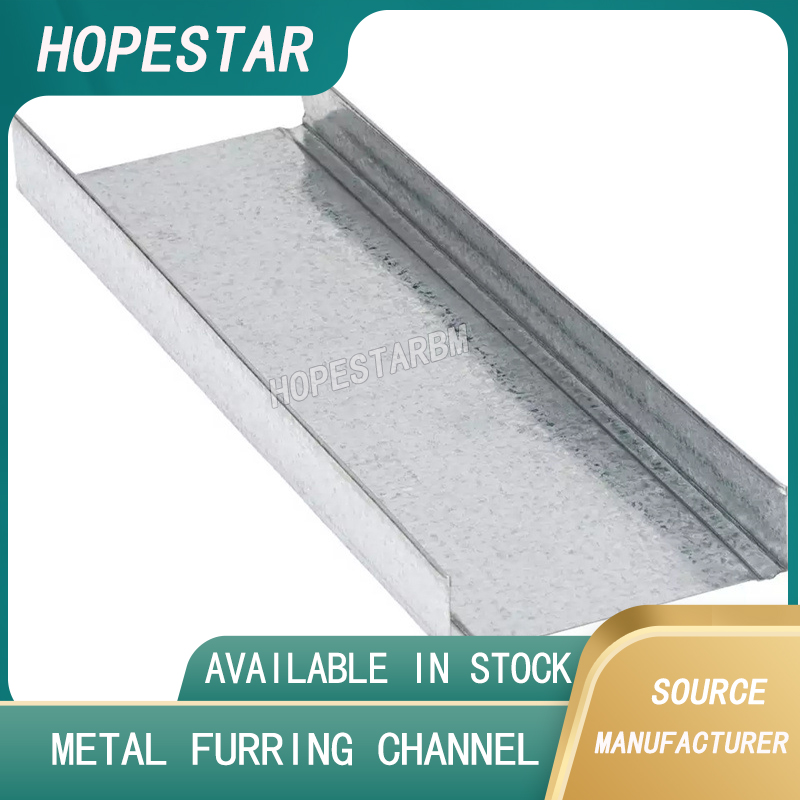
Galvanized steel profiles are the foundational metal framing components widely used in modern interior construction. Roll-formed from cold-rolled steel coated with protective zinc layer, galvanized steel profiles cover a full range of shapes including C studs, U tracks, omega channels,
Galvanized Steel Profiles – Reliable Cold Rolled Framing for Drywall Walls and Ceilings

Metal furring channel for ceiling is a vital secondary framing component widely used in suspended ceiling and drywall ceiling systems. Roll-formed from cold-rolled galvanized steel, this lightweight metal profile works together with main channels, hangers and wall angles to create a level,
Metal Furring Channel for Ceiling – Galvanized Secondary Framing for Suspended Drywall Ceilings

Metal omega channel, also widely called omega furring channel or hat channel, is an indispensable secondary metal framing profile for modern suspended ceilings and drywall wall furring systems. Named after its distinctive Ω shape, this profile is roll-formed from cold-rolled galvanized steel
Metal Omega Channel – Galvanized Omega Furring Channel for Drywall Ceiling and Wall Framing