
How Much Weight Can a Metal Stud Hold?
2026-08-24
If you’re renovating walls, installing shelves, mounting TVs, or hanging heavy decor, one critical question always comes up: how much weight can a metal stud hold? Unlike traditional wooden studs, metal drywall studs have unique load limits based on gauge thickness, size, spacing, and installation quality. Understanding metal stud weight capacity prevents wall damage, sagging fixtures, and safety hazards during residential and commercial construction projects. This comprehensive guide breaks down exact weight limits, key influencing factors, and professional installation tips for maximum safety and durability.
Standard Metal Stud Weight Holding Capacity by Gauge
Metal stud load capacity is primarily determined by its steel gauge—thicker, lower-gauge steel supports far more weight than thin, high-gauge variants. Most interior partition walls use 25-gauge or 22-gauge metal studs, while heavy-duty applications require 20-gauge or 18-gauge framing. Below are industry-standard weight limits for common metal stud sizes under ideal installation conditions:
-
25-Gauge Metal Stud (Standard Residential): The most common lightweight metal stud for interior non-load-bearing walls. It safely holds 30–50 pounds per stud for direct fixture mounting. For uniform distributed loads (wall paneling, light finishes), it supports up to 500 lbs per square foot.
-
22-Gauge Metal Stud (Medium-Duty): A step up from 25-gauge, ideal for moderate-weight installations like floating shelves and small cabinetry. It holds 50–80 pounds per stud for concentrated loads and 600 lbs per square foot for distributed wall loads.
-
20-Gauge Metal Stud (Heavy-Duty): Designed for heavy residential and light commercial use. This robust stud supports 80–120 pounds per concentrated load and up to 700 lbs per square foot of distributed wall weight.
-
18-Gauge Metal Stud (Industrial-Grade): The thickest standard metal stud for partition framing. It handles 120–150+ pounds per stud for heavy fixtures and up to 1000 lbs per square foot for high-traffic commercial wall systems.
Note: These values apply to properly installed, braced metal studs spaced 16 inches on center. Unbraced or unevenly spaced studs will have significantly reduced weight limits.
Key Factors That Impact Metal Stud Load Capacity
Several variables can increase or decrease how much weight a metal stud can safely hold. Ignoring these factors leads to overloading, stud bending, or fixture failure.
1. Stud Gauge and Material Thickness
Steel gauge is the biggest determinant of load capacity. Higher gauge numbers mean thinner steel with lower tensile strength, while lower gauge numbers indicate thicker, stronger steel. All standard metal studs use ASTM A653 grade galvanized steel for corrosion resistance, ensuring consistent load performance in humid indoor environments like bathrooms and kitchens.
2. Stud Spacing
Most residential metal stud walls use 16-inch on-center spacing, which delivers maximum structural stability. Studs spaced 24 inches on center have reduced load capacity, as the wider gap creates more flex and less support for mounted objects. Always confirm stud spacing before installing heavy fixtures.
3. Load Type (Concentrated vs. Distributed)
Concentrated loads (TV mounts, single brackets, heavy art) apply weight to a small stud area and have lower weight limits. Distributed loads (full wall paneling, tile backing, continuous shelving) spread weight evenly across multiple studs, allowing far higher total weight support.
4. Bracing and Structural Support
Metal studs are hollow and flexible without proper bracing. Walls with horizontal bracing, track anchoring, and secure top/bottom runner connections hold significantly more weight than unbraced, freestanding metal stud partitions.
How to Safely Maximize Metal Stud Weight Capacity
Follow these professional tips to avoid overloading metal studs and ensure long-term structural safety:
-
Use Specialized Metal Stud Anchors: Avoid standard drywall screws. Use self-drilling metal stud screws, toggle bolts, or hollow-wall anchors designed to grip hollow steel framing for secure mounting.
-
Spread Heavy Loads Across Multiple Studs: Mount large fixtures across two or more studs to distribute weight evenly and eliminate concentrated stress points.
-
Reinforce Weak Studs: For extra-heavy items (large TVs, heavy cabinetry), install wood blocking or metal reinforcement plates between studs to boost load capacity.
-
Avoid Overloading High-Gauge Studs: Never mount fixtures over 50 pounds on standard 25-gauge metal studs without reinforcement.
-
Follow Building Codes: Adhere to local ICC building standards for metal stud framing and load limits to ensure compliance and safety.
Metal Studs vs. Wood Studs: Load Capacity Comparison
Homeowners often wonder if metal studs are weaker than wood studs. While metal studs excel in moisture resistance, fire resistance, and pest immunity, they have lower concentrated load limits than wooden studs. A standard 2x4 wood stud holds 150–200 pounds of concentrated weight, while a 25-gauge metal stud only holds 30–50 pounds. For heavy mounting applications, metal stud reinforcement is always recommended to match wood stud performance.
Final Verdict
So, how much weight can a metal stud hold? Standard 25-gauge residential metal studs hold 30–50 lbs of concentrated weight, while heavy-duty 18-gauge studs support 150+ lbs per stud. Load capacity varies drastically by gauge, spacing, bracing, and load type. By choosing the right stud grade, using proper anchors, and distributing weight evenly, you can safely mount fixtures and finish walls without structural damage.
Galvanized Steel: Benefits, Types, Uses, and Complete Guide
Steel House Frame
Related Article

Ceiling wall angle, also known as perimeter angle or L-angle, is an indispensable L-shaped metal profile for suspended drywall ceiling systems. Roll-formed from cold-rolled galvanized steel, ceiling wall angle is fixed along the wall perimeter to support the ends of main channels and furring channels,
Ceiling Wall Angle – Galvanized L-Shaped Perimeter Trim for Suspended Drywall Ceilings
Galvanized steel profiles are the foundational metal framing components widely used in modern interior construction. Roll-formed from cold-rolled steel coated with protective zinc layer, galvanized steel profiles cover a full range of shapes including C studs, U tracks, omega channels,
Galvanized Steel Profiles – Reliable Cold Rolled Framing for Drywall Walls and Ceilings

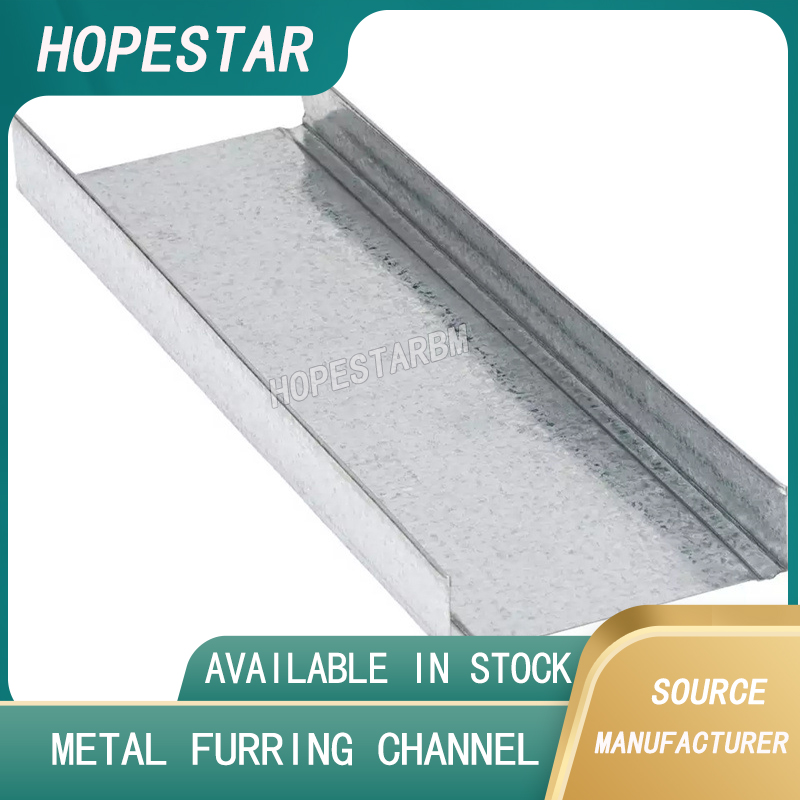
Metal furring channel for ceiling is a vital secondary framing component widely used in suspended ceiling and drywall ceiling systems. Roll-formed from cold-rolled galvanized steel, this lightweight metal profile works together with main channels, hangers and wall angles to create a level,
Metal Furring Channel for Ceiling – Galvanized Secondary Framing for Suspended Drywall Ceilings

Metal omega channel, also widely called omega furring channel or hat channel, is an indispensable secondary metal framing profile for modern suspended ceilings and drywall wall furring systems. Named after its distinctive Ω shape, this profile is roll-formed from cold-rolled galvanized steel
Metal Omega Channel – Galvanized Omega Furring Channel for Drywall Ceiling and Wall Framing