
What is a Z Furring Channel?
2026-08-17
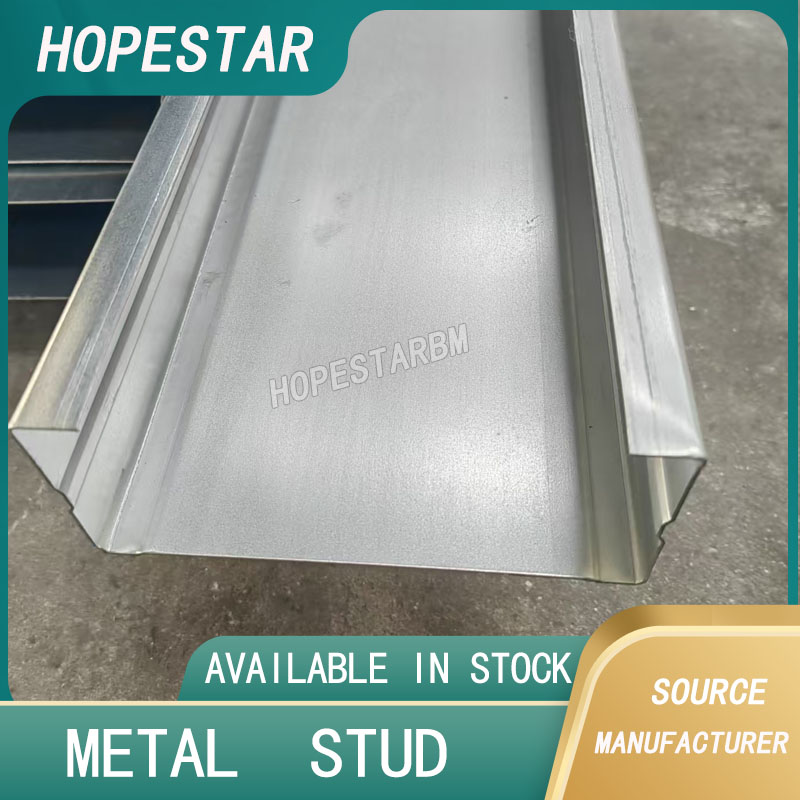
A Z furring channel is a cold-formed, galvanized steel framing component widely used in modern residential and commercial construction. Named after its distinct Z-shaped cross-section, this versatile building material serves as a critical intermediate support system between rigid structural substrates and interior finishing layers. It is specifically engineered to solve common wall and ceiling finishing challenges on concrete, masonry, and block surfaces.
The unique asymmetrical Z profile features two offset flanges with different widths, which is the core advantage that distinguishes it from standard U-channels and L-studs. One flange is designed to be fastened directly to rough structural walls or ceiling slabs, while the opposing flange provides a flat, level mounting surface for drywall, gypsum boards, wall panels, and ceiling cladding. This offset structure creates a consistent gap between the structural base and the finish layer, bringing multiple functional benefits to building assemblies.
One primary function of a Z furring channel is to accommodate thermal insulation and improve energy efficiency. The continuous air gap formed by the Z-channel spacing allows contractors to install rigid foam insulation or fibrous batts between the wall substrate and drywall. This breaks thermal bridging through concrete or masonry walls, effectively reducing heat transfer, lowering indoor energy consumption, and enhancing the overall thermal performance of the building envelope.
In addition to insulation support, Z furring channels level uneven wall and ceiling surfaces. Concrete and masonry walls often have minor deviations, bumps, or undulations that make direct drywall installation impossible. By adjusting the fastening depth during installation, Z furring channels create a perfectly flat, uniform plane for finishing materials, ensuring a smooth, professional final wall and ceiling appearance.
Durability and moisture resistance are other key strengths of Z furring channels. Most products are made of hot-dipped galvanized steel, which provides excellent corrosion resistance against humidity, moisture, and long-term environmental wear. Unlike wooden furring strips that are prone to rot, mold, and warping, steel Z channels maintain stable structural integrity for decades, preventing wall deformation and finish cracking caused by substrate movement or material deterioration.
Common applications include interior masonry wall finishing, concrete ceiling furring, basement wall renovations, exterior façade cladding support, and soundproof wall systems. It is particularly indispensable for projects that require both insulation installation and precise flat finishing. Lightweight, easy to cut and install, and cost-effective, Z furring channels have become a standard solution for modern drywall and wall assembly construction.
In summary, a Z furring channel is a functional, durable metal framing accessory. It levels uneven building surfaces, creates space for thermal and acoustic insulation, eliminates thermal bridging, and stabilizes finish wall and ceiling systems. For high-quality, long-lasting interior and exterior wall finishing, Z furring channels are a reliable and essential construction component.
How to Use Furring Channel?
Is a Drywall Corner Bead Necessary?
Related Article

Ceiling wall angle, also known as perimeter angle or L-angle, is an indispensable L-shaped metal profile for suspended drywall ceiling systems. Roll-formed from cold-rolled galvanized steel, ceiling wall angle is fixed along the wall perimeter to support the ends of main channels and furring channels,
Ceiling Wall Angle – Galvanized L-Shaped Perimeter Trim for Suspended Drywall Ceilings
Galvanized steel profiles are the foundational metal framing components widely used in modern interior construction. Roll-formed from cold-rolled steel coated with protective zinc layer, galvanized steel profiles cover a full range of shapes including C studs, U tracks, omega channels,
Galvanized Steel Profiles – Reliable Cold Rolled Framing for Drywall Walls and Ceilings

Metal furring channel for ceiling is a vital secondary framing component widely used in suspended ceiling and drywall ceiling systems. Roll-formed from cold-rolled galvanized steel, this lightweight metal profile works together with main channels, hangers and wall angles to create a level,
Metal Furring Channel for Ceiling – Galvanized Secondary Framing for Suspended Drywall Ceilings

Metal omega channel, also widely called omega furring channel or hat channel, is an indispensable secondary metal framing profile for modern suspended ceilings and drywall wall furring systems. Named after its distinctive Ω shape, this profile is roll-formed from cold-rolled galvanized steel
Metal Omega Channel – Galvanized Omega Furring Channel for Drywall Ceiling and Wall Framing