
Is a Drywall Corner Bead Necessary?
2026-08-17
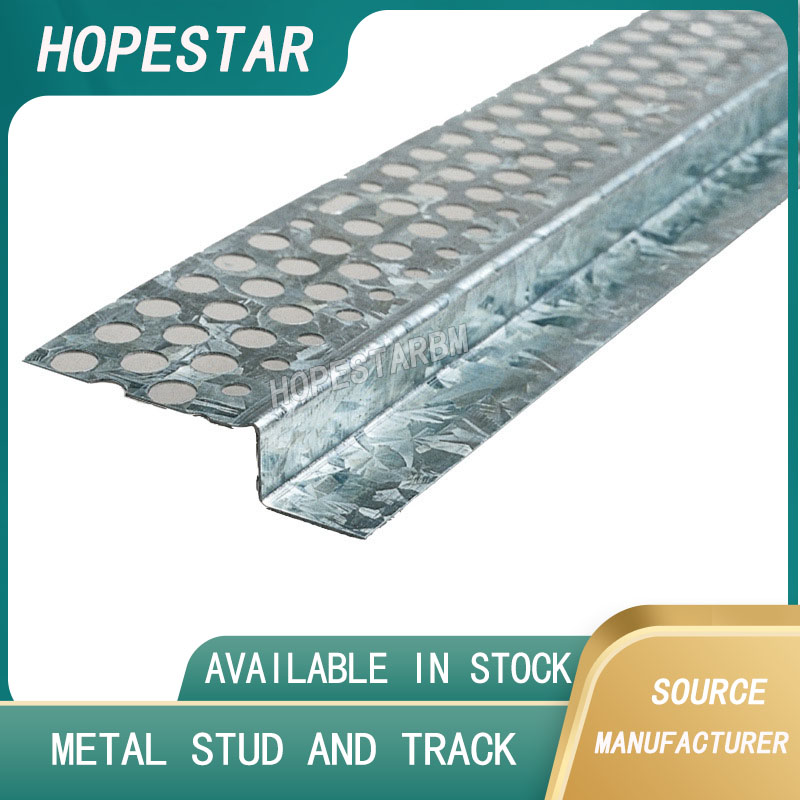
Drywall corner bead is a fundamental finishing component used in interior wall construction, and for most standard residential and commercial drywall installations, it is absolutely necessary. While DIY enthusiasts may attempt to finish drywall corners without bead to save time and money, skipping this key accessory will lead to long-term structural and cosmetic problems that far outweigh any short-term benefits.
First and foremost, corner bead provides structural protection for drywall corners. Drywall panels are made of soft gypsum core covered by paper facing, making outer wall corners extremely fragile and prone to chipping, denting, and cracking from daily bumps, furniture movement, or minor impacts. A metal, vinyl, or plastic corner bead reinforces the vulnerable 90-degree corners, creating a rigid, durable edge that resists damage and preserves the integrity of the wall for years.
Secondly, corner bead ensures a perfectly straight, uniform, and professional finish. Hand-taped drywall corners often result in uneven edges, wavy lines, or lopsided angles, even when installed by experienced workers. Corner bead acts as a guide for mudding, sanding, and painting, standardizing the corner shape and eliminating irregularities. This consistent crisp edge is the hallmark of professional drywall work and elevates the overall aesthetic of a room.
Additionally, corner bead prevents common drywall issues such as tape bubbling, peeling, and corner cracking. The rigid bead holds the drywall tape and joint compound firmly in place, preventing the material from shifting due to temperature changes, humidity fluctuations, or minor wall settlement. Without corner bead, the stress on drywall corners will gradually cause the joint compound to crack and the tape to lift, requiring frequent repairs and maintenance.
It is important to note that corner bead is primarily essential for exterior drywall corners. Interior concave corners do not bear the same impact pressure and can be successfully finished with only drywall tape and joint compound. For any exposed, outward-facing corners, however, corner bead is non-negotiable for a long-lasting, high-quality drywall finish.
In conclusion, drywall corner bead is not an optional decorative accessory but a necessary structural and finishing material. It protects walls from physical damage, delivers a flawless professional finish, and reduces long-term repair costs. For any permanent drywall installation, investing in corner bead is a simple, cost-effective way to ensure durable, attractive walls.
What is a Z Furring Channel?
What Is Drywall Corner Bead Used For?
Related Article

Ceiling wall angle, also known as perimeter angle or L-angle, is an indispensable L-shaped metal profile for suspended drywall ceiling systems. Roll-formed from cold-rolled galvanized steel, ceiling wall angle is fixed along the wall perimeter to support the ends of main channels and furring channels,
Ceiling Wall Angle – Galvanized L-Shaped Perimeter Trim for Suspended Drywall Ceilings
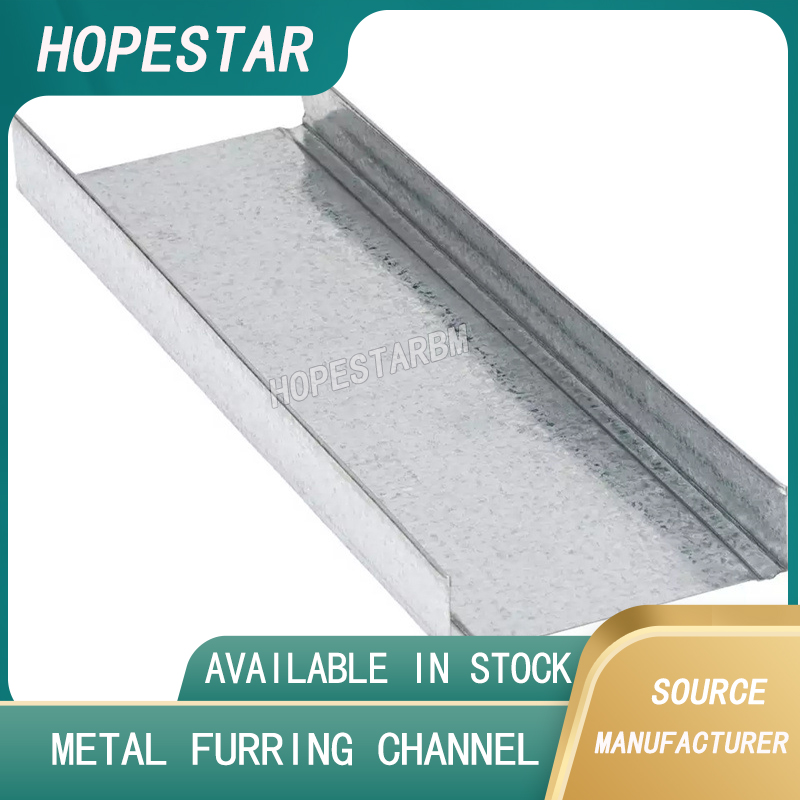
Galvanized steel profiles are the foundational metal framing components widely used in modern interior construction. Roll-formed from cold-rolled steel coated with protective zinc layer, galvanized steel profiles cover a full range of shapes including C studs, U tracks, omega channels,
Galvanized Steel Profiles – Reliable Cold Rolled Framing for Drywall Walls and Ceilings

Metal furring channel for ceiling is a vital secondary framing component widely used in suspended ceiling and drywall ceiling systems. Roll-formed from cold-rolled galvanized steel, this lightweight metal profile works together with main channels, hangers and wall angles to create a level,
Metal Furring Channel for Ceiling – Galvanized Secondary Framing for Suspended Drywall Ceilings

Metal omega channel, also widely called omega furring channel or hat channel, is an indispensable secondary metal framing profile for modern suspended ceilings and drywall wall furring systems. Named after its distinctive Ω shape, this profile is roll-formed from cold-rolled galvanized steel
Metal Omega Channel – Galvanized Omega Furring Channel for Drywall Ceiling and Wall Framing