What Is Drywall Corner Bead Used For?
Drywall is widely used for interior walls and ceilings in residential, commercial, and industrial buildings. However, exposed drywall corners are vulnerable to impact, cracking, and chipping. To create strong and clean corners, builders commonly use drywall corner bead.
So, what is drywall corner bead used for, and why is it important in drywall construction? This article explains its main functions, common types, applications, and selection tips.
What Is Drywall Corner Bead?
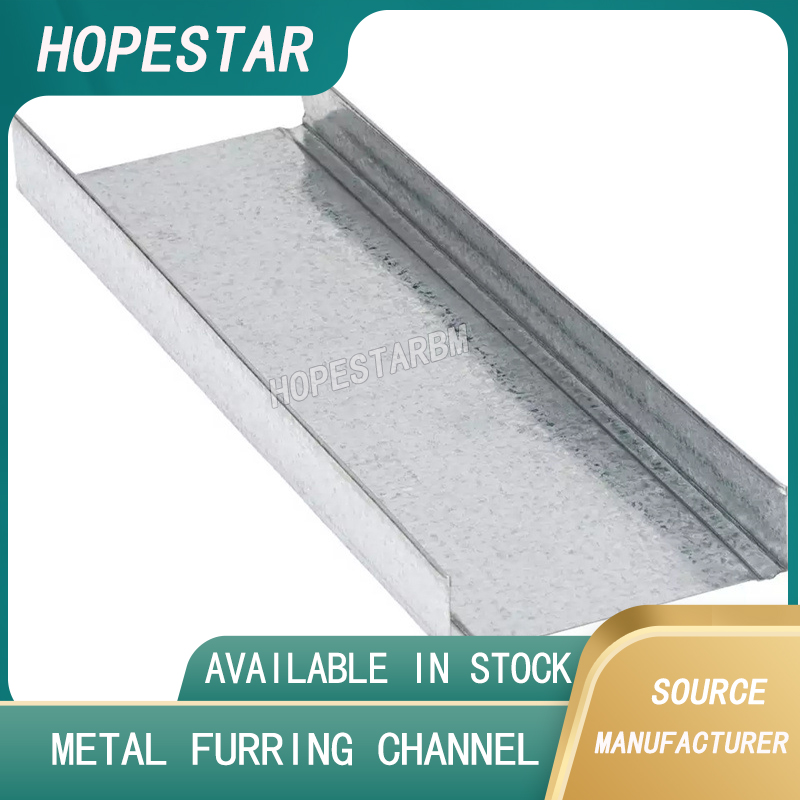
Drywall corner bead is a building material installed along the outside corners of drywall. It provides a straight and durable edge that can be covered with joint compound to create a smooth finished surface.
Corner bead is commonly manufactured from galvanized steel, aluminum, PVC, vinyl, paper-faced metal, or other composite materials. Different materials are suitable for different construction environments.
What Is Drywall Corner Bead Used For?
The primary purpose of drywall corner bead is to protect external drywall corners and create a straight, professional-looking finish.
Without corner bead, drywall edges can easily become damaged when exposed to furniture, tools, equipment, or everyday impact. Corner bead reinforces these vulnerable areas and helps maintain the shape of the corner.
It also provides a defined edge for applying joint compound, making it easier to achieve a smooth and consistent corner during finishing.
1. Protecting Drywall Corners
External corners are among the most vulnerable parts of a drywall system. Even relatively minor impacts can chip the gypsum board or damage the finished surface.
Drywall corner bead creates a protective layer around the corner. Metal corner bead, in particular, provides good mechanical strength and is widely used in areas where durability is important.
2. Creating Straight and Clean Corners
Another important function of drywall corner bead is improving the appearance of finished walls.
Drywall panels alone may not form a perfectly straight external corner. Installing corner bead creates a consistent edge that guides the application of joint compound.
After finishing, sanding, and painting, the corner can achieve a clean and professional appearance.
3. Reducing Corner Cracks and Damage
Drywall corners may experience minor movement caused by building settlement, temperature changes, vibration, or accidental impact.
Properly installed corner bead helps reinforce the corner area and can reduce the risk of cracking and edge damage. However, correct installation and suitable joint compound are also important for long-term performance.
4. Providing a Base for Joint Compound
Many drywall corner beads feature perforations, mesh structures, or specially designed surfaces.
These designs help the joint compound bond effectively around the corner bead. The compound is applied over the bead and feathered outward to create a smooth transition between the corner and the drywall surface.
Once the surface has been sanded and painted, the corner bead is normally no longer visible.
Common Types of Drywall Corner Bead
Several types of corner bead are available for different drywall projects.
Galvanized steel corner bead offers good strength and durability. The galvanized coating also provides corrosion protection, making this type a common choice for interior drywall construction.
Aluminum corner bead is lightweight and corrosion resistant. It can be suitable for applications where low weight and easy handling are important.
PVC or vinyl corner bead does not rust and can be useful in environments where moisture or corrosion is a concern.
Paper-faced corner bead combines a rigid core with a paper surface, helping provide a smooth transition between the bead and drywall.
There are also flexible and bullnose corner beads designed for curved walls or rounded architectural corners.
Where Is Drywall Corner Bead Used?
Drywall corner bead can be found in many construction projects, including:
- Residential houses and apartments
- Office buildings
- Hotels
- Shopping centers
- Schools and hospitals
- Interior partition walls
- Commercial renovation projects
- Drywall ceiling and wall systems
It is primarily used on outside corners. Inside drywall corners are usually finished with joint tape or specialized inside-corner products.
How to Choose the Right Drywall Corner Bead
When selecting drywall corner bead, consider the installation environment, drywall thickness, required durability, corner shape, material, and finishing method.
For standard interior construction, galvanized metal corner bead is a common option because of its strength and cost effectiveness.
For humid or corrosion-prone environments, PVC, vinyl, or other corrosion-resistant materials may be more appropriate.
The dimensions of the corner bead should also match the drywall system and project requirements. Contractors should check product specifications before installation.
Conclusion
So, what is drywall corner bead used for? Its main purpose is to protect exposed drywall corners, reinforce vulnerable edges, provide a straight finishing line, and help create a smooth and attractive wall surface.
Choosing the appropriate drywall corner bead can improve both the durability and appearance of a drywall system. Whether used in residential construction, office partitions, hotels, or commercial projects, corner bead is a small but important component of professional drywall finishing.
Is a Drywall Corner Bead Necessary?
Drywall Corner Bead
Related Article