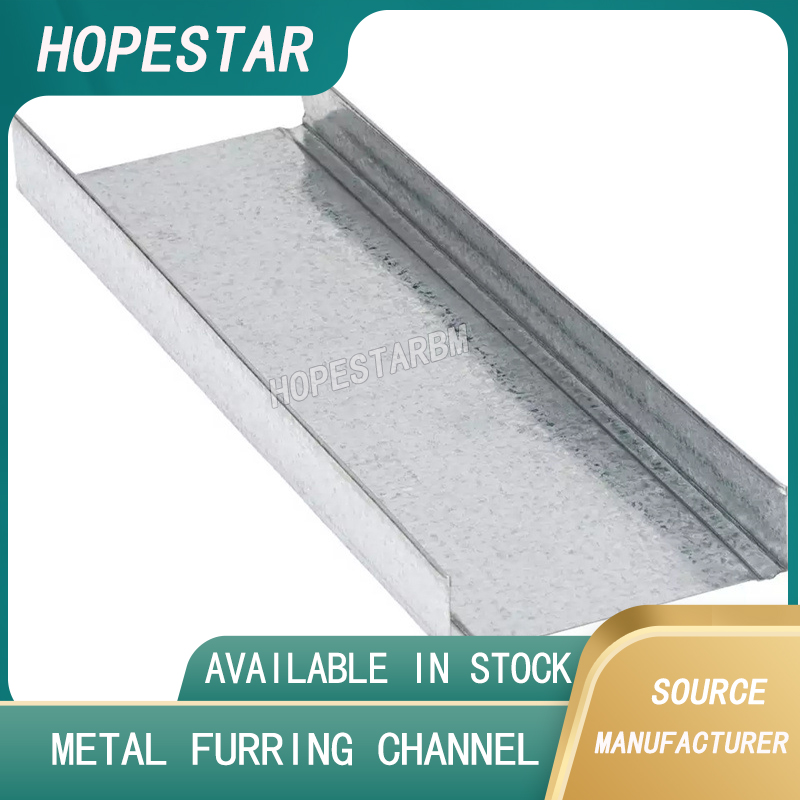
Galvanized Steel Stud: Benefits, Applications and Buying Guide
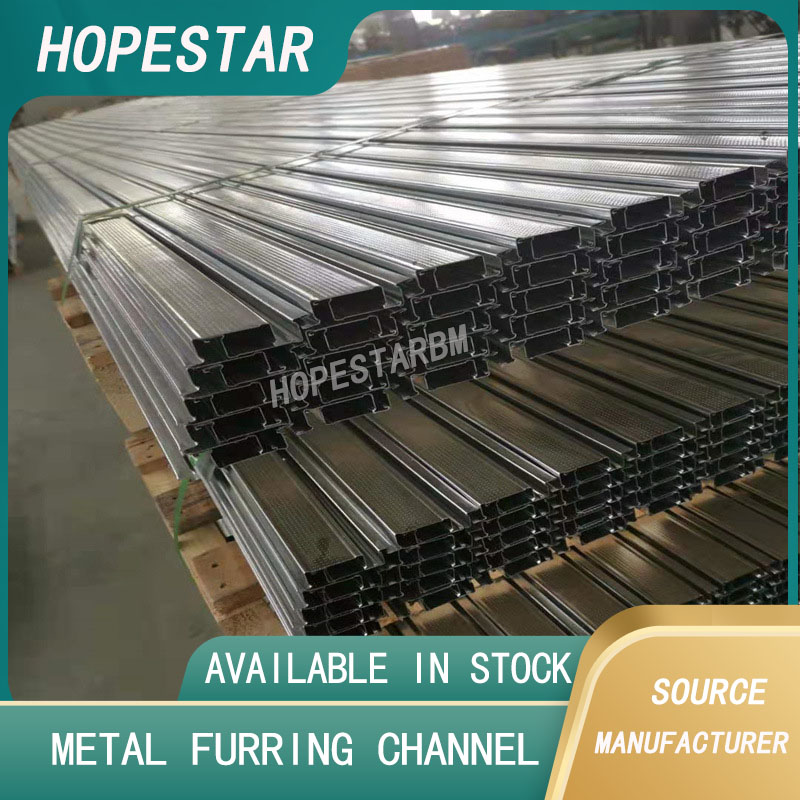
A galvanized steel stud is an important component in modern drywall and lightweight framing systems. It is produced from cold-formed steel coated with a protective zinc layer, which helps reduce corrosion and extend the service life of the profile.
Galvanized steel studs are commonly used with matching steel tracks to construct interior partition walls, wall linings and other non-load-bearing framing systems. For contractors, distributors and importers, selecting the correct stud specification is essential for achieving reliable performance and controlling project costs.
How Does Galvanization Protect Steel Studs?
Galvanization applies a zinc coating to the steel surface. This coating creates a protective barrier between the base steel and moisture in the surrounding environment.
If the surface receives minor scratches during handling or installation, the zinc can also provide sacrificial protection to the exposed steel. This helps slow down corrosion under normal service conditions.
However, galvanized steel should not be treated as completely rust-proof. Performance depends on the zinc coating, indoor humidity, chemical exposure, ventilation and installation conditions. Profiles exposed continuously to water or highly corrosive environments may require additional protection.
Main Benefits of Galvanized Steel Studs
Galvanized steel studs offer several practical advantages in drywall construction.
Their consistent dimensions help installers create straight walls and smooth board surfaces. Unlike natural timber, steel profiles do not normally twist, split or shrink because of changes in moisture content.
They are also resistant to termites and other insects. This is especially valuable in warm or humid markets where timber damage may create maintenance problems.
Because the profiles are lightweight, they can be transported, lifted and installed efficiently. Pre-punched service holes may also simplify the routing of cables and small pipes.
Steel is non-combustible, although the fire rating of a completed wall always depends on the entire tested system, including boards, insulation, fasteners and joint treatment.
Where Are Galvanized Steel Studs Used?
Galvanized steel studs are widely used in:
- Office partition walls
- Apartments and residential interiors
- Hotels and commercial buildings
- Schools and hospitals
- Shopping centres
- Wall lining systems
- Renovation projects
- Drywall framing systems
They are particularly suitable for projects that require uniform dimensions, quick installation and stable material quality.
For high-moisture or coastal environments, the project designer should confirm whether the selected zinc coating and complete wall system are suitable for the expected exposure level.
Important Specifications to Check
Not all galvanized steel studs have the same performance. Buyers should compare several technical details before placing an order.
Profile width: The stud width must match the required wall thickness and the corresponding track.
Steel thickness: Thicker steel generally provides greater stiffness, but the correct thickness depends on wall height, spacing and loading requirements.
Zinc coating: The required coating level depends on the target market and installation environment.
Flange size and profile shape: These affect board fixing, handling and compatibility with other framing components.
Length: Standard or customized lengths can help reduce cutting waste on site.
Service holes: Hole size and position should be suitable for the intended electrical or plumbing work.
Buyers should request technical drawings, material details and production tolerances instead of comparing products only by weight or price.
How to Evaluate Product Quality
A quality galvanized steel stud should be straight, clean and free from serious deformation. Its dimensions should remain consistent throughout the production batch.
Check whether the profile fits correctly into the matching track without excessive looseness or force. The edges should be formed accurately, and the surface coating should appear uniform.
For wholesale or export orders, buyers may also request sample approval, thickness inspection, coating information and packaging confirmation before mass production.
Good packaging is important because poor bundling can cause bending, scratches and difficulties during unloading.
Choosing a Reliable Manufacturer
An experienced galvanized steel stud manufacturer should be able to provide stable production, customized dimensions and clear technical communication.
OEM options may include customized widths, thicknesses, lengths, punching patterns, printed logos, labels and export packaging. Container loading plans can also help importers use shipping space more efficiently.
The lowest quotation is not always the best choice. Product consistency, raw material control, production accuracy, packaging quality and delivery reliability can have a greater effect on the final project cost.
Conclusion
A galvanized steel stud combines lightweight construction with dimensional stability, termite resistance and improved corrosion protection. It is a practical choice for drywall partitions in residential, commercial and institutional buildings.
Metal Corner Bead: Types, Benefits and Selection Guide
How to Install Steel Studs: A Step-by-Step Framing Guide
Related Article