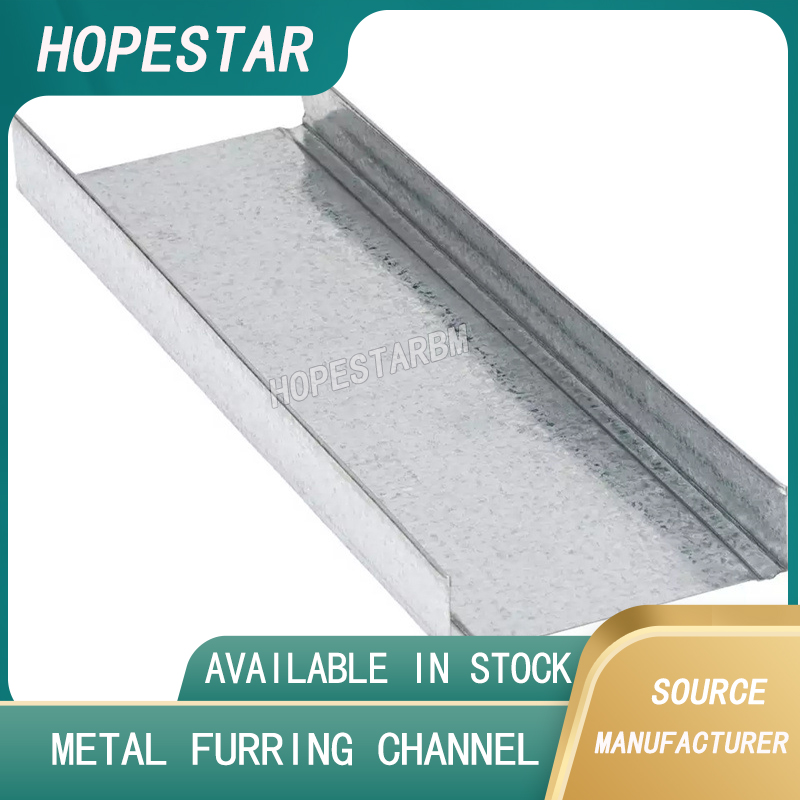
Steel Stud vs Wood Stud: Which Is Better for Your Project?
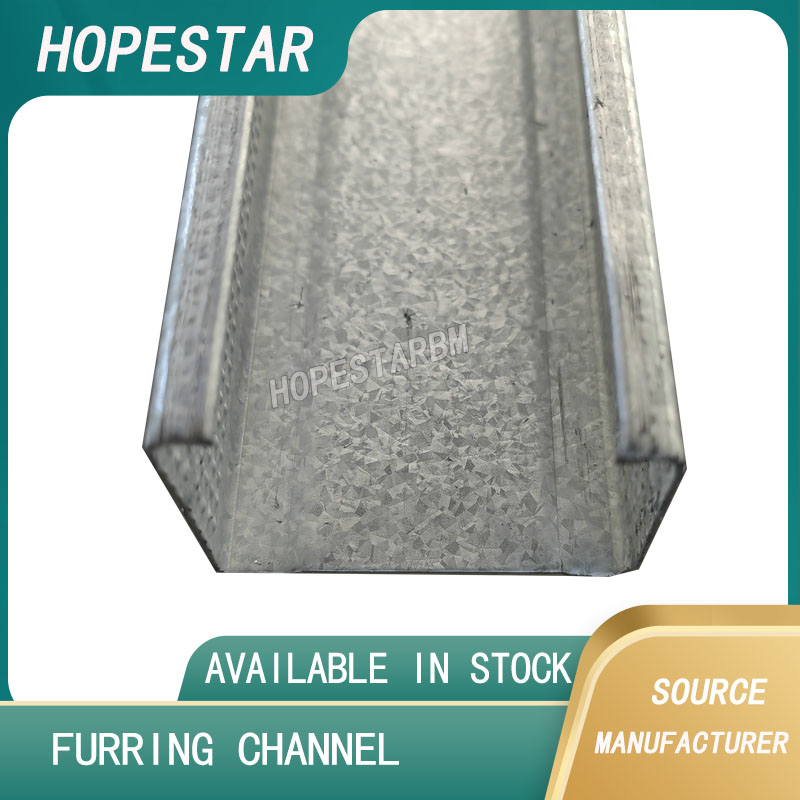
Choosing the right framing material is an important decision in any construction project. Both steel studs and wood studs can be used to build interior walls, partitions, and other framing systems, but they perform differently under moisture, fire, insects, and long-term use.
Understanding the differences between a steel stud vs wood stud can help contractors, distributors, and project buyers select a more suitable material.
Material Stability
Steel studs are manufactured with consistent dimensions and straight profiles. They do not shrink, twist, split, or warp because of changes in temperature or humidity.
Wood studs are natural materials, so their dimensions and quality may vary. If the wood contains excessive moisture or is stored incorrectly, it may bend or shrink after installation. This can affect the flatness of finished walls.
For projects requiring precise and uniform framing, steel studs usually provide better dimensional stability.
Moisture and Termite Resistance
Moisture is an important consideration in bathrooms, basements, coastal regions, and humid climates.
Galvanized steel studs do not absorb water and are not damaged by termites. A suitable zinc coating also helps protect the steel surface from corrosion during normal indoor use.
Wood studs can absorb moisture, which may cause swelling, decay, or mould if they are not properly treated and protected. They may also require additional termite treatment in certain markets.
Steel framing is therefore often preferred in areas where moisture or insect damage is a concern.
Fire Performance
Steel is a non-combustible material and does not add fuel to a fire. When used with the correct gypsum board, insulation, fasteners, and tested wall design, steel studs can form part of a fire-rated partition system.
Wood is combustible and can burn when exposed to high temperatures. However, the fire performance of any complete wall depends on the entire system rather than the framing material alone.
Project specifications and local building regulations should always be checked before selecting a framing system.
Installation and Handling
Steel studs are lightweight, straight, and easy to store in bundles. Installers can cut them with suitable tools and connect them to metal tracks using screws or approved fixing methods. Pre-punched service holes can also simplify the installation of electrical cables and pipes.
Wood studs are familiar to many builders and can be cut with common woodworking tools. They also provide a solid surface for fixing heavy items.
The better option often depends on local labour experience, available tools, and project requirements.
Cost and Long-Term Value
Wood may have a lower initial cost in regions with an abundant timber supply. However, prices can change depending on species, grade, treatment, and availability.
The cost of steel studs depends on steel prices, profile width, thickness, zinc coating, and order quantity. Although the purchase price may sometimes be higher, steel framing can reduce losses caused by warping, termites, inconsistent dimensions, or material waste.
Buyers should compare the total installed cost instead of focusing only on the unit price.
Which Framing Material Should You Choose?
Steel studs are generally suitable for commercial buildings, offices, hotels, hospitals, schools, apartments, and drywall partition systems. They are especially useful when consistent dimensions, fire safety, lightweight handling, and resistance to termites are priorities.
Wood studs may remain practical for residential projects where timber is widely available and local construction teams are more experienced with wood framing.
The final decision should consider wall height, loading requirements, moisture exposure, fire regulations, labour costs, and local building practices.
Conclusion
There is no single framing material that is best for every project. Wood studs offer familiarity and easy fixing, while steel studs provide uniform quality, moisture resistance, termite resistance, and reliable dimensional accuracy.
For importers and contractors who need stable quality and customized specifications, working with an experienced steel stud manufacturer can help ensure that profile sizes, thicknesses, lengths, zinc coatings, and packaging meet the needs of the target market.
FAQ
Are steel studs stronger than wood studs?
Strength depends on the profile design, steel thickness, stud spacing, wall height, and loading conditions. The complete framing system should be selected according to engineering and project requirements.
Do steel studs rust?
Galvanized steel studs are protected by a zinc coating. They perform well in normal indoor environments, but prolonged exposure to water or aggressive chemicals should still be avoided.
Can steel studs be customized?
Yes. Steel studs can be manufactured in different widths, thicknesses, lengths, punching designs, zinc coatings, and packaging formats.
How to Install Steel Studs: A Step-by-Step Framing Guide
Metal Stud: The Complete Guide for Modern Drywall Construction
Related Article