Metal Stud: The Complete Guide for Modern Drywall Construction
As modern construction continues to evolve, metal stud systems have become the preferred choice for drywall partitions and ceiling framing. Compared with traditional wood framing, metal studs offer greater consistency, durability, and resistance to moisture, making them suitable for residential, commercial, and industrial buildings.
Whether you are a building material distributor, contractor, or importer, understanding metal stud products can help you select the right solution for your projects.
What Is a Metal Stud?
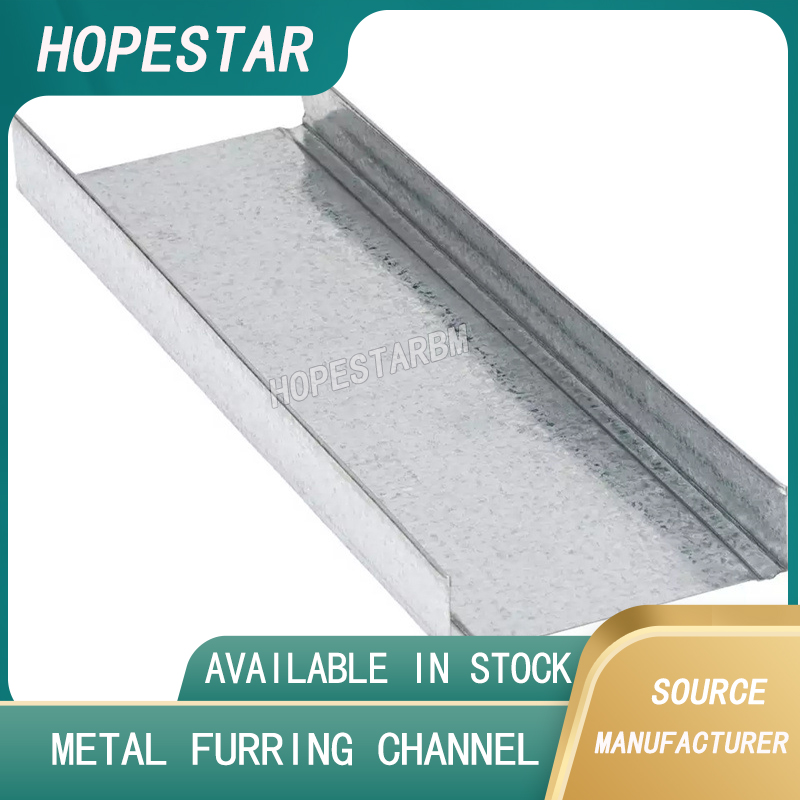
A metal stud is a cold-formed galvanized steel profile designed to support gypsum boards and other wall panels. It is commonly used together with metal tracks to create partition walls, interior framing, and suspended ceiling systems.
Metal studs are manufactured in various widths, lengths, and thicknesses to meet different building requirements. They are lightweight, easy to transport, and quick to install, making them a popular alternative to timber framing.
Advantages of Metal Stud
One of the biggest reasons builders choose metal studs is their excellent performance in modern construction.
Some key advantages include:
- High strength while remaining lightweight
- Excellent dimensional accuracy
- Resistant to termites and insects
- Non-combustible material
- Resistant to moisture and warping
- Easy to cut and install
- Suitable for large commercial projects
- Recyclable and environmentally friendly
These benefits help reduce maintenance costs and improve the overall quality of construction projects.
Common Applications
Metal studs are widely used in various construction projects around the world.
Typical applications include:
- Office partition walls
- Residential interior walls
- Hotels and apartments
- Hospitals and schools
- Shopping malls
- Commercial buildings
- Industrial facilities
- Ceiling framing systems
Because of their versatility, metal stud systems are suitable for both new construction and renovation projects.
How to Choose the Right Metal Stud
Choosing the correct metal stud depends on several factors.
First, determine the required wall height and load capacity. Taller walls generally require wider or thicker studs for better stability.
Second, select the appropriate steel thickness according to your project specifications. Galvanized steel with the correct coating provides better corrosion resistance and longer service life.
Finally, ensure the stud dimensions match the corresponding metal track system for smooth installation and reliable performance.
If you are purchasing in bulk, providing detailed drawings or specifications to the manufacturer will help ensure accurate production.
Why Choose a Professional Metal Stud Manufacturer?
Working with an experienced manufacturer offers several advantages beyond competitive pricing.
A professional factory can provide:
- Stable product quality
- OEM and customized production
- Multiple sizes and specifications
- Strict quality inspection
- Fast production and delivery
- Export packaging
- Technical support
- Efficient container loading
For importers and wholesalers, choosing a reliable supplier can reduce purchasing risks and improve customer satisfaction.
OEM and Custom Manufacturing
Many international buyers require products that match local market standards. A professional metal stud manufacturer can produce customized profiles based on customer drawings or samples.
Steel Stud vs Wood Stud: Which Is Better for Your Project?
Gypsum Board Drywall
Related Article