
Steel Batten: Functions, Key Benefits and Construction Applications
2026-07-20
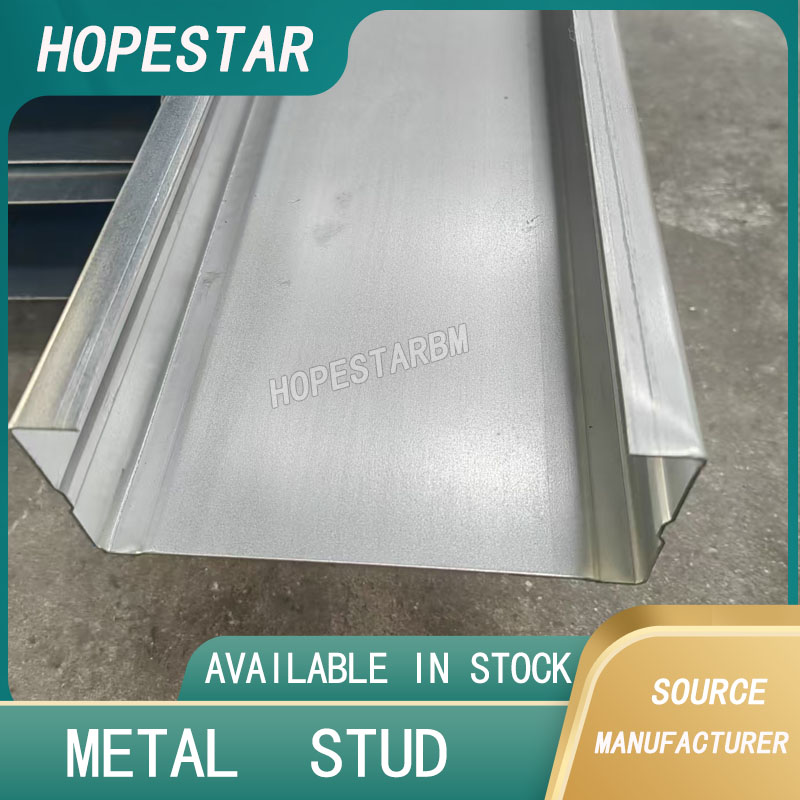
Steel batten is an essential auxiliary steel component widely used in modern drywall systems, roof cladding, ceiling framing, and exterior wall insulation projects. As a lightweight, high-strength galvanized steel strip, the steel batten acts as a secondary supporting and fixing layer between main steel frames, wall panels, and roof materials. Working cooperatively with C channel metal studs, gypsum boards, and insulation materials, steel battens optimize structural flatness, enhance overall stability, and ensure neat finishing of building surfaces. Thanks to its reliable performance and flexible adaptability, steel batten has become a highly searched and indispensable material in residential, commercial, and industrial construction.
The core function of steel batten is to level and reinforce building surfaces effectively. In interior decoration and roof construction, traditional single-layer framing often causes uneven surfaces and loose panel installation. Steel battens are installed horizontally or vertically on the main keel framework to form a dense, uniform grid base. This structure perfectly adjusts surface flatness, eliminates deformation gaps, and provides a stable attachment base for gypsum boards, cement fiber boards, and metal roof panels. It avoids common construction problems such as wall unevenness, panel cracking, and roof warping, greatly improving overall construction quality.
Superior durability and environmental adaptability are major advantages of steel batten. Most standard steel battens are made of hot-dip galvanized steel, featuring excellent anti-rust, anti-corrosion, and oxidation-resistant properties. Unlike wooden battens that easily rot, mold, or deform in humid environments, steel battens maintain stable physical performance in high-humidity indoor spaces, outdoor open environments, and corrosive industrial areas. They resist insect erosion and aging, delivering a long service life and significantly reducing later maintenance and replacement costs for construction projects.
Steel batten also boasts outstanding safety and construction efficiency. As an all-metal non-combustible material, it fully complies with strict building fire safety standards, effectively improving the fire resistance of wall and ceiling systems. Meanwhile, its lightweight and standardized design enables flexible cutting and quick assembly. It adopts a dry construction method without wet mortar operations, simplifying the construction process, shortening project cycles, and lowering labor costs. Additionally, the grid structure of steel battens reserves reasonable gaps for sound insulation and thermal insulation materials, optimizing building energy-saving and noise reduction effects.
With wide application scenarios and strong compatibility, steel batten suits various construction needs. It is commonly used for interior ceiling leveling, drywall partition reinforcement, exterior wall cladding fixing, and roof panel laying. It matches perfectly with all types of metal framing systems and building panels, adapting to villa decoration, office renovation, factory construction, and public building projects. As a recyclable green building material, steel batten also meets modern low-carbon and environmentally friendly construction requirements.
In conclusion, steel batten is a practical and high-performance construction auxiliary material. Its unique advantages in leveling reinforcement, safety durability, and efficient installation make it irreplaceable in modern dry construction systems. For both new building construction and old space renovation, high-quality steel batten consistently delivers stable, neat, and long-lasting structural guarantee for building finishing projects.
C Channel Metal Stud
Drywall Steel
Related Article

Ceiling wall angle, also known as perimeter angle or L-angle, is an indispensable L-shaped metal profile for suspended drywall ceiling systems. Roll-formed from cold-rolled galvanized steel, ceiling wall angle is fixed along the wall perimeter to support the ends of main channels and furring channels,
Ceiling Wall Angle – Galvanized L-Shaped Perimeter Trim for Suspended Drywall Ceilings
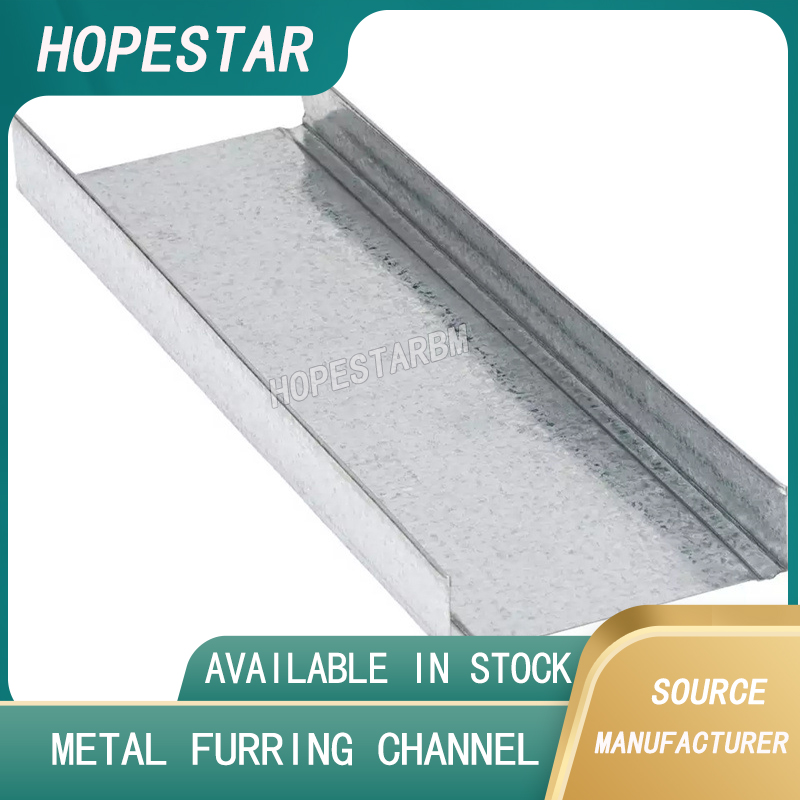
Galvanized steel profiles are the foundational metal framing components widely used in modern interior construction. Roll-formed from cold-rolled steel coated with protective zinc layer, galvanized steel profiles cover a full range of shapes including C studs, U tracks, omega channels,
Galvanized Steel Profiles – Reliable Cold Rolled Framing for Drywall Walls and Ceilings

Metal furring channel for ceiling is a vital secondary framing component widely used in suspended ceiling and drywall ceiling systems. Roll-formed from cold-rolled galvanized steel, this lightweight metal profile works together with main channels, hangers and wall angles to create a level,
Metal Furring Channel for Ceiling – Galvanized Secondary Framing for Suspended Drywall Ceilings

Metal omega channel, also widely called omega furring channel or hat channel, is an indispensable secondary metal framing profile for modern suspended ceilings and drywall wall furring systems. Named after its distinctive Ω shape, this profile is roll-formed from cold-rolled galvanized steel
Metal Omega Channel – Galvanized Omega Furring Channel for Drywall Ceiling and Wall Framing