
Drywall Steel
2026-07-17
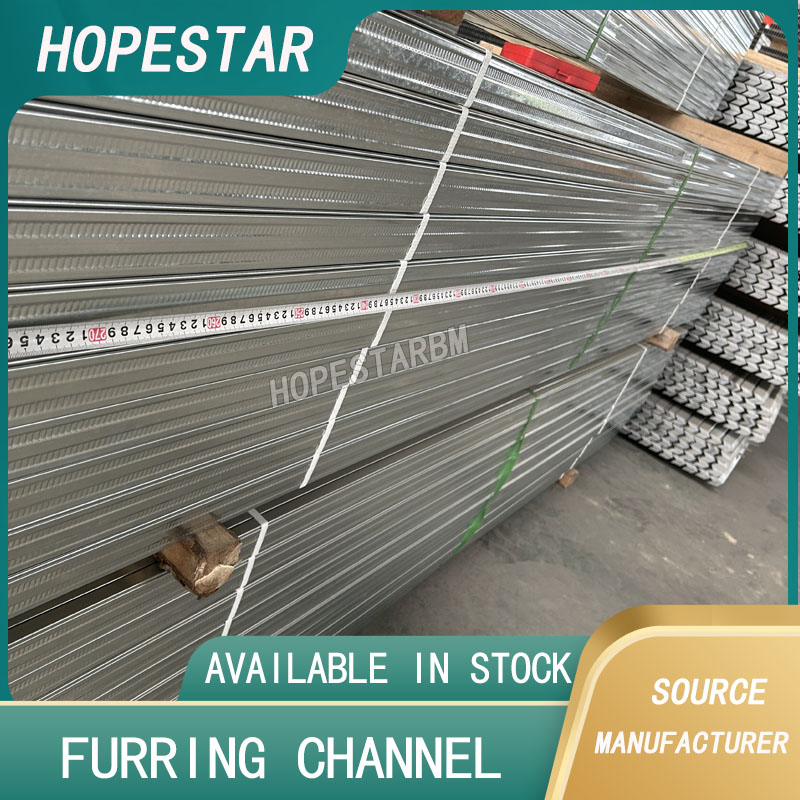
Drywall steel is the leading lightweight framing material used in modern residential, commercial, and industrial drywall construction. Consisting of galvanized steel studs, tracks, and accessories, drywall steel provides sturdy, reliable support for interior partition walls, ceilings, and full drywall systems. As a superior alternative to traditional wooden framing, it solves common construction issues including warping, cracking, and pest damage. Today, professional builders widely choose drywall steel to deliver stable, neat, and long-lasting interior wall finishes for all types of building renovation and new build projects.
One of the greatest advantages of drywall steel is its outstanding structural stability. Manufactured from high-quality galvanized steel, this rigid framing material maintains consistent shapes under changing humidity and temperature conditions. Unlike wood studs that shrink, bend, or deform over time, drywall steel remains straight and flat throughout its service life. This stable foundation effectively prevents drywall cracks, uneven surfaces, and distorted corner lines, ensuring smooth finishing for putty, paint, and wall decoration. It guarantees precise vertical walls and level ceilings that meet professional construction standards.
Drywall steel features exceptional durability and strong environmental adaptability. With professional anti-rust and anti-corrosion coatings, steel drywall framing resists oxidation, moisture, and daily wear. It is completely termite-proof, mold-proof, and mildew-resistant, eliminating the hidden structural risks that plague wooden frames. Boasting a lifespan of more than 50 years, drywall steel requires minimal maintenance after installation. It performs steadily in humid rooms, dry indoor spaces, and long-term closed environments, greatly reducing owners’ long-term repair and renovation expenses.
For construction teams, drywall steel greatly improves project efficiency and cost performance. All steel studs and tracks are prefabricated with standardized sizes, allowing easy cutting, splicing, and rapid on-site assembly. The lightweight design reduces building load and foundation pressure, while the simple installation process shortens construction cycles and cuts labor costs. Compared with traditional wood framing, drywall steel avoids material waste and structural rework, helping contractors achieve accurate project scheduling and better budget control.
Fire safety and eco-friendliness further highlight the value of drywall steel. Steel is a non-combustible material that effectively improves building fire resistance and restricts flame spread, complying with global building safety regulations. In addition, drywall steel is 100% recyclable, producing no harmful substances or construction waste during usage. It fully adapts to modern green building and energy-saving construction concepts.
To conclude, drywall steel is a reliable, cost-effective, and high-standard framing solution for modern drywall construction. Its stable structure, excellent durability, fast installation, and safe eco-friendly properties make it the ideal replacement for traditional wood frames. Choosing drywall steel ensures premium, flat, and crack-free wall systems for all interior construction projects.
Steel Batten: Functions, Key Benefits and Construction Applications
Mild Steel Channel
Related Article

Ceiling wall angle, also known as perimeter angle or L-angle, is an indispensable L-shaped metal profile for suspended drywall ceiling systems. Roll-formed from cold-rolled galvanized steel, ceiling wall angle is fixed along the wall perimeter to support the ends of main channels and furring channels,
Ceiling Wall Angle – Galvanized L-Shaped Perimeter Trim for Suspended Drywall Ceilings
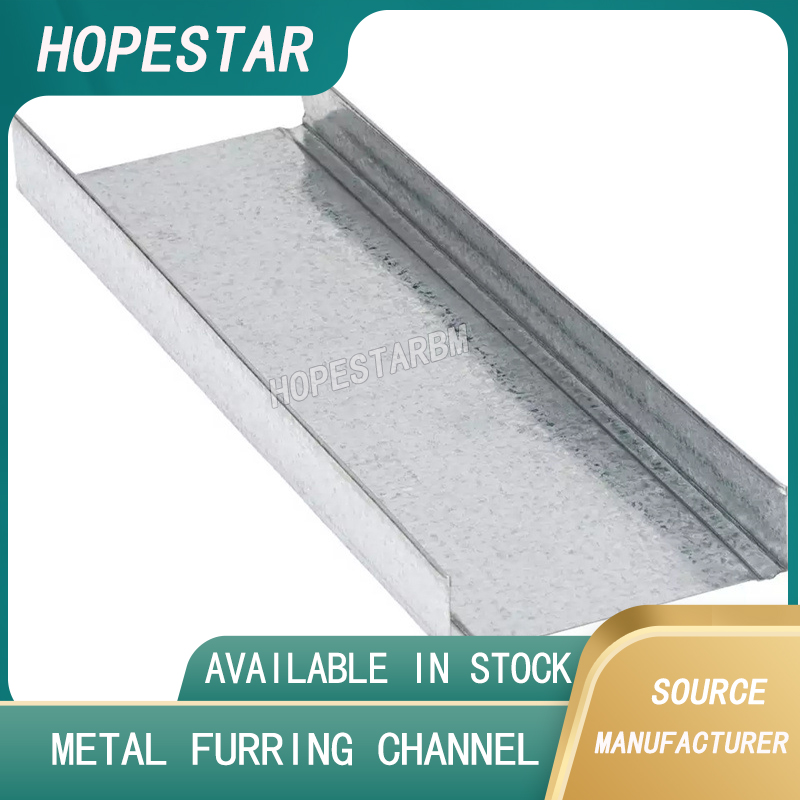
Galvanized steel profiles are the foundational metal framing components widely used in modern interior construction. Roll-formed from cold-rolled steel coated with protective zinc layer, galvanized steel profiles cover a full range of shapes including C studs, U tracks, omega channels,
Galvanized Steel Profiles – Reliable Cold Rolled Framing for Drywall Walls and Ceilings

Metal furring channel for ceiling is a vital secondary framing component widely used in suspended ceiling and drywall ceiling systems. Roll-formed from cold-rolled galvanized steel, this lightweight metal profile works together with main channels, hangers and wall angles to create a level,
Metal Furring Channel for Ceiling – Galvanized Secondary Framing for Suspended Drywall Ceilings

Metal omega channel, also widely called omega furring channel or hat channel, is an indispensable secondary metal framing profile for modern suspended ceilings and drywall wall furring systems. Named after its distinctive Ω shape, this profile is roll-formed from cold-rolled galvanized steel
Metal Omega Channel – Galvanized Omega Furring Channel for Drywall Ceiling and Wall Framing