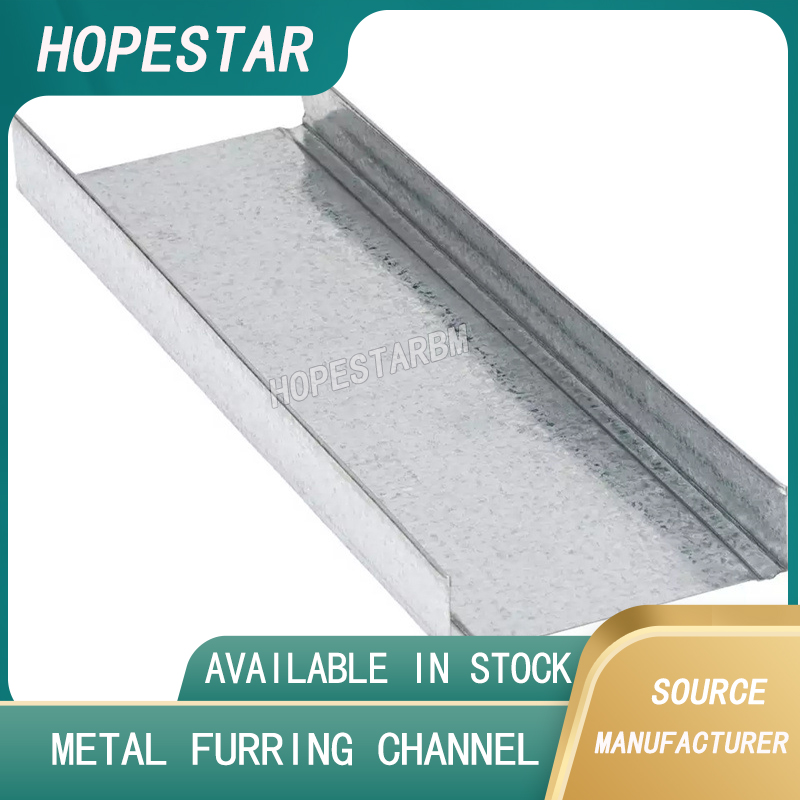
What Is a Steel C Channel?
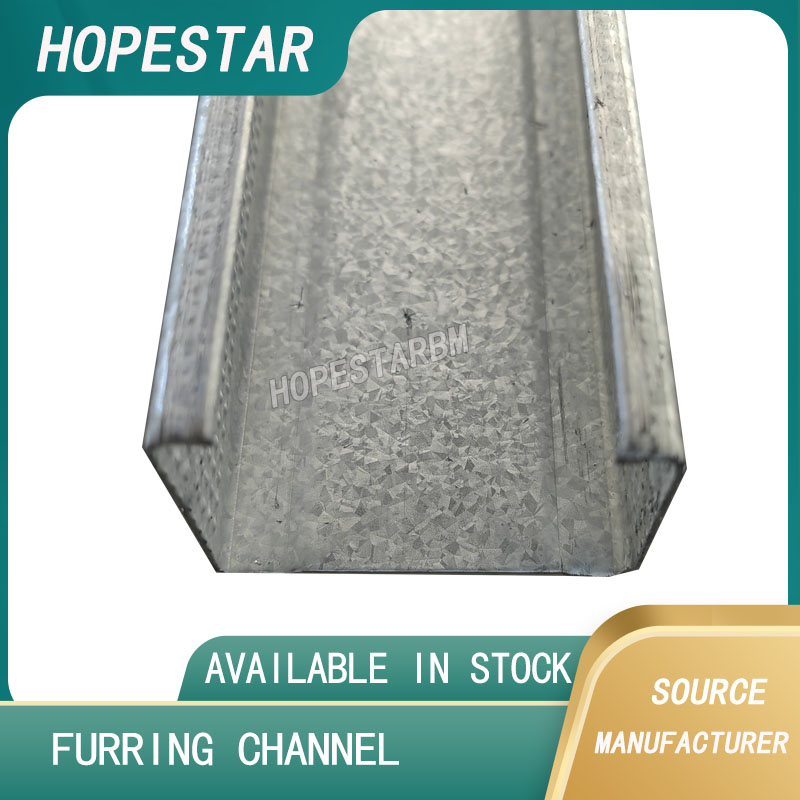
The steel C channel is one of the most widely used structural components in the construction, manufacturing, and engineering industries. Known for its distinctive “C” shaped cross-section, this steel profile offers excellent strength, durability, and versatility. Whether used in commercial buildings, industrial facilities, infrastructure projects, or equipment manufacturing, the steel C channel provides reliable structural support while maintaining cost efficiency.
What Is a Steel C Channel?
A steel C channel is a roll-formed or hot-rolled steel section shaped like the letter “C.” It consists of a web and two parallel flanges that provide structural rigidity and load-bearing capacity. Steel C channels are available in various sizes, thicknesses, and finishes to meet different project requirements.
Common materials include:
- Galvanized steel
- Carbon steel
- Stainless steel
- Pre-painted steel
Depending on the application, steel C channels can be customized to specific dimensions and surface treatments.
Advantages of Steel C Channel
High Strength-to-Weight Ratio
One of the biggest benefits of a steel C channel is its ability to provide substantial structural strength while remaining relatively lightweight. This characteristic helps reduce overall building weight and simplifies transportation and installation.
Excellent Durability
Steel C channels are designed to withstand heavy loads, impact, and harsh environmental conditions. Galvanized steel C channels offer additional protection against rust and corrosion, making them suitable for both indoor and outdoor applications.
Easy Installation
The simple shape of a steel C channel allows for quick fabrication and assembly. It can be easily cut, welded, bolted, or connected to other structural components, helping contractors save time and labor costs.
Cost-Effective Solution
Compared to heavier structural sections, steel C channels offer an economical option without compromising strength. Their long service life and minimal maintenance requirements further reduce overall project expenses.
Design Flexibility
Steel C channels are available in numerous specifications, enabling engineers and architects to choose the most suitable profile for their structural needs.
Common Applications of Steel C Channel
Due to its versatility, the steel C channel is widely used in various industries, including:
- Building framing systems
- Roof and wall support structures
- Steel warehouses
- Industrial workshops
- Solar mounting systems
- Equipment frames
- Vehicle and trailer manufacturing
- Storage racks and shelving systems
- Agricultural buildings
Its adaptability makes it a preferred choice for both structural and non-structural applications.
How to Choose the Right Steel C Channel
When selecting a steel C channel, several factors should be considered:
- Required load capacity
- Span length
- Steel grade
- Material thickness
- Corrosion resistance requirements
- Environmental conditions
- Local building standards
Consulting with a professional supplier can help ensure the correct specification is chosen for maximum safety and performance.
Future Demand for Steel C Channel
As global construction and infrastructure development continue to expand, the demand for steel C channels is expected to grow steadily. Their combination of strength, versatility, affordability, and sustainability makes them an ideal solution for modern engineering projects.
Conclusion
The steel C channel remains an essential structural component across multiple industries. Its high strength, durability, ease of installation, and cost-effectiveness make it a reliable choice for builders, engineers, and manufacturers worldwide. By selecting high-quality steel C channels, businesses can improve structural performance, enhance project efficiency, and achieve long-lasting results in a wide range of construction applications.
What Is an Omega Channel?
What Is a Drywall Stud and Track System?
Related Article