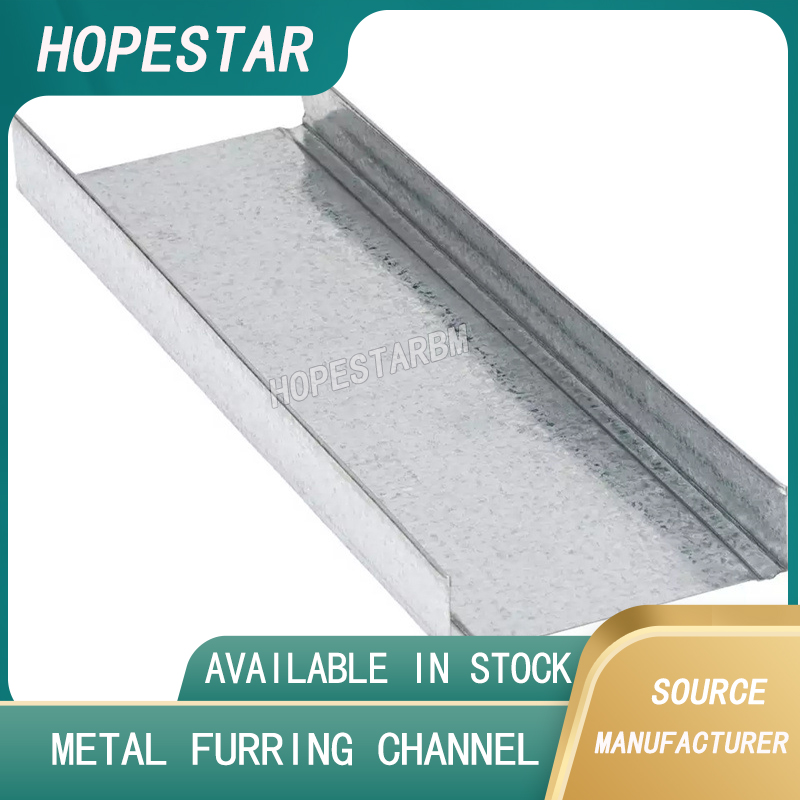
What Is a Metal Furring Channel? Key Benefits, Uses, and Buying Guide for Construction Projects
If you’ve worked on any suspended ceiling or interior wall renovation project, you’ve likely encountered a metal furring channel – a small but critical framing component that keeps your finished surfaces stable, level, and long-lasting. As a go-to alternative to traditional wood furring strips, this galvanized steel framing element has become a staple in modern residential, commercial, and industrial construction. In this guide, we break down everything you need to know to select the right furring channel for your next project.
What Exactly Is a Metal Furring Channel?
A metal furring channel is a lightweight, shaped galvanized steel profile designed to act as secondary framing in suspended ceiling and wall systems. It attaches to primary load-bearing keels or existing base walls, creating a uniform, flat support base for finish materials like gypsum board, acoustic panels, cement board, or decorative wall cladding. Unlike solid wood framing, it leaves open cavities between the structure base and finish surface to accommodate electrical wiring, plumbing pipes, and insulation, while also blocking moisture transfer to prevent mold and warping.
Top 3 Key Advantages Over Traditional Wood Furring
Choosing galvanized steel metal furring channels over wooden strips delivers clear long-term benefits for any project:
- Unmatched stability and durability: Metal is dimensionally stable – it won’t warp, shrink, or twist with changes in humidity or temperature, so your ceilings and walls stay perfectly flat for decades. Galvanized coating also resists corrosion, rot, and pest damage, making it safe for humid areas like bathrooms, basements, and commercial kitchens.
- Superior fire safety: Metal furring is non-combustible, meeting strict international fire code requirements for public and commercial buildings, a critical advantage over flammable wood framing.
- Faster, easier installation: Precisely manufactured standard profiles cut down on on-site trimming time, and their lightweight design makes handling and fitting simpler than heavy wood, cutting overall labor costs for contractors.
Common Applications You Should Know
Metal furring channels are most widely used as the secondary support for suspended ceiling systems in office buildings, retail spaces, and residential homes. They’re also a popular choice for remodeling masonry or concrete walls – you don’t need to demo the entire existing wall to install a new drywall finish, cutting renovation time and waste dramatically. Other common uses include lightweight interior partition walls, cleanroom construction, and creating backing for soundproofing acoustic panels.
When selecting a metal furring channel, always prioritize certified products that match your project size and environment, and confirm the gauge and coating meets local building code requirements to ensure long, reliable performance.
What Is a Furring Hat Channel in Construction? Definition, Uses, and Key Benefits
What Is a Metal Furring Wall?Top Advantages of Metal Furring Over Traditional Wood
Related Article