What Is a Metal Furring Wall?Top Advantages of Metal Furring Over Traditional Wood
When planning interior renovations or new construction projects, creating a stable, level base for wall finishes is one of the most critical steps. A metal furring wall system has emerged as a top choice for contractors and architects worldwide, delivering consistent performance that outperforms traditional wooden framing in many key areas. If you’re considering this solution for your next build, here’s a complete breakdown of everything you need to know.
What Is a Metal Furring Wall?
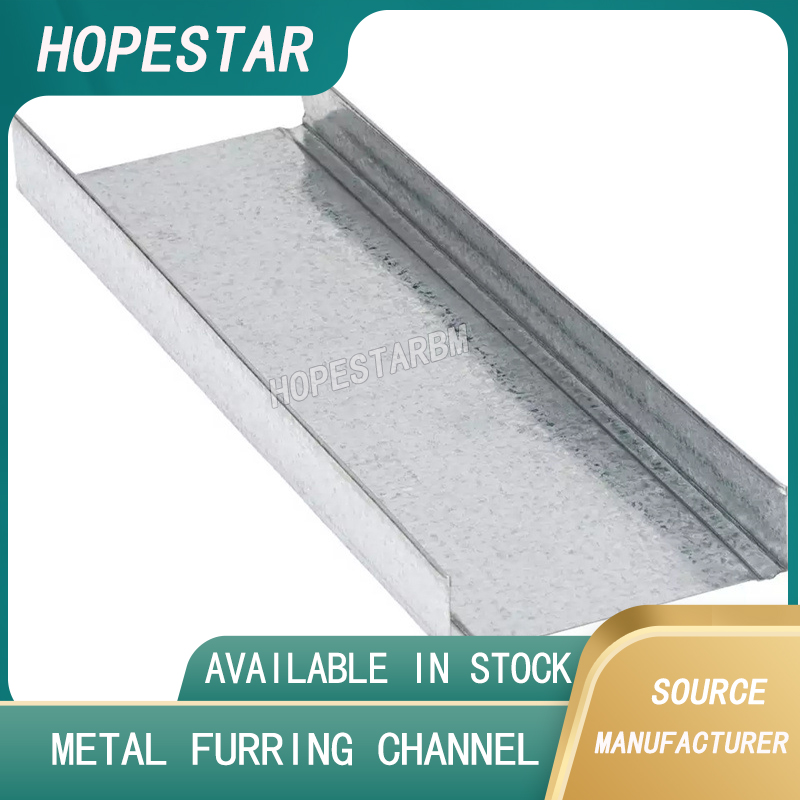
A metal furring wall uses thin, shaped metal strips—commonly called furring channels or furring strips—to create a secondary framework over an existing base wall. Unlike full wooden stud framing, this system uses lightweight galvanized steel or aluminum strips in three common shapes: hat-section (the most popular for large commercial projects), C-channel, and Z-channel. The core purpose of this structure is to create a flat, uniform surface for attaching finish materials like gypsum board, cement board, or decorative panels, while also leaving an open cavity to accommodate insulation, plumbing, or electrical lines.
Top Advantages of Metal Furring Over Traditional Wood
Compared to traditional wooden furring strips, metal systems offer a range of long-term benefits that make them worth the investment. First, metal is inherently dimensionally stable, meaning it won’t warp, shrink, or warp over time even in high-humidity environments, delivering a perfectly flat finish for decades. Second, galvanized steel furring is non-combustible, making it ideal for high-traffic public buildings like schools, hospitals, and office towers where fire safety is a top priority. It also resists pest infestations, rot, and moisture damage, eliminating common maintenance issues that plague wooden framing. For projects that demand precise alignment and fast installation, metal furring is also lighter and easier to cut and fit on-site, cutting down on overall labor time.
Step-by-Step Basic Installation Guide
Installing a metal furring wall follows a straightforward process when planned properly. First, prepare the base wall by clearing debris, repairing uneven spots, and marking horizontal and vertical reference lines. Next, secure mounting brackets to the base wall, then attach the furring channels to the brackets with screws or rivets, using a spirit level to ensure perfect alignment. If thermal or acoustic insulation is required, place the insulation material in the cavity between the furring and the base wall. Finally, screw your chosen wall boards or panels directly to the metal channels, then finish the joints with tape, compound, sanding, and paint or wall covering as needed.
Common Applications for Metal Furring Walls
Metal furring walls are used across both residential and commercial projects. They are a go-to solution for remodeling existing masonry or concrete walls to update the finish without full demolition, and are widely used in modular clean rooms to create walls that meet strict sanitation and static control standards. They also work perfectly for new interior partition walls in multi-family residential buildings and commercial construction, where durability and fire resistance are required.
For any construction or renovation project that demands a long-lasting, precise wall base, a metal furring wall system delivers reliable performance that meets modern building codes and design needs.
What Is a Metal Furring Channel? Key Benefits, Uses, and Buying Guide for Construction Projects
Ceiling Suspension System Explained: Benefits, Components, and Modern Applications
Related Article