Ceiling Suspension System Explained: Benefits, Components, and Modern Applications

A ceiling suspension system is an important structural framework used to support suspended ceilings in residential, commercial, and industrial buildings. It creates a secondary ceiling below the original concrete or structural ceiling, helping improve aesthetics, acoustics, insulation, and functionality.
Today, ceiling suspension systems are widely used in offices, shopping malls, hotels, hospitals, schools, and modern homes because they provide a clean and professional interior appearance while hiding pipes, wires, and air conditioning systems.
What Is a Ceiling Suspension System?
A ceiling suspension system is made of metal framing components that hold ceiling panels or gypsum boards in place. The system is usually suspended from the main building structure using hangers, wires, or rods.
The main purpose of this system is to create a stable and level ceiling surface while allowing space above the ceiling for electrical wiring, plumbing, HVAC ducts, and lighting installations.
Most ceiling suspension systems are manufactured from galvanized steel or aluminum to ensure durability and corrosion resistance.
Main Components of a Ceiling Suspension System
A standard ceiling suspension system typically includes:
- Main runners
- Cross tees
- Wall angles
- Suspension rods or wires
- Ceiling tiles or gypsum boards
These components work together to create a strong and reliable ceiling framework.
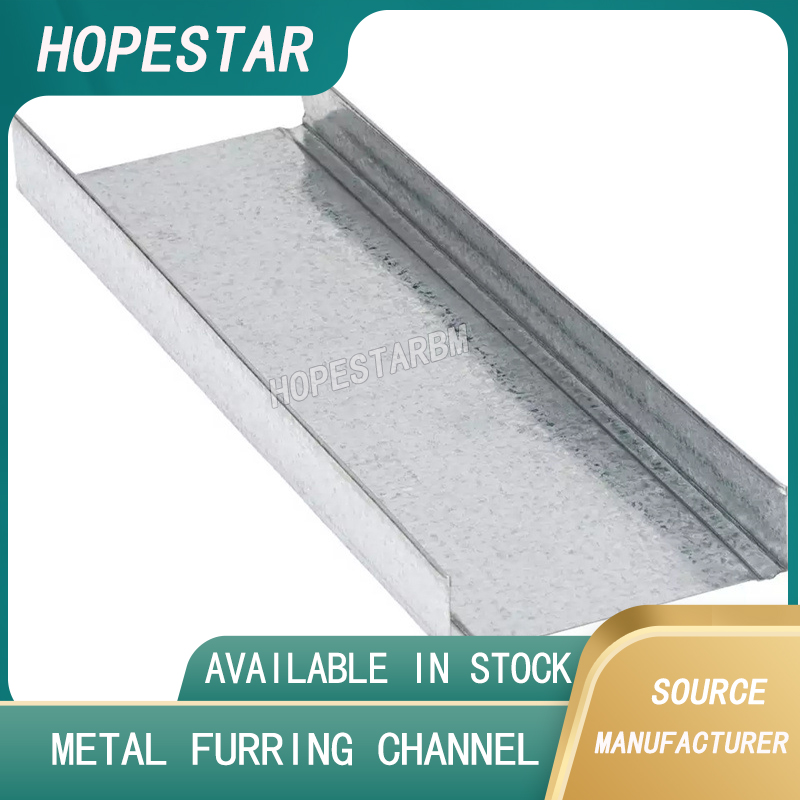
In drywall ceiling systems, metal channels and furring channels are also commonly used to improve structural stability.
Advantages of Ceiling Suspension Systems
1. Better Interior Appearance
One of the biggest advantages of a ceiling suspension system is its ability to hide exposed pipes, cables, and ductwork. This creates a cleaner and more modern interior design.
2. Easy Maintenance Access
Suspended ceilings allow easy access to hidden building systems. Maintenance workers can quickly inspect electrical wiring, air conditioning systems, or plumbing without damaging the entire ceiling.
3. Improved Acoustic Performance
Many suspended ceiling systems use acoustic ceiling panels that help reduce noise and improve sound insulation. This is especially useful in offices, classrooms, and conference rooms.
4. Fire and Moisture Resistance
Modern ceiling suspension systems often use fire-resistant and moisture-resistant materials, making them suitable for commercial and public buildings.
What Is a Metal Furring Wall?Top Advantages of Metal Furring Over Traditional Wood
Why Metal Studs Are Becoming the First Choice for Modern Construction
Related Article