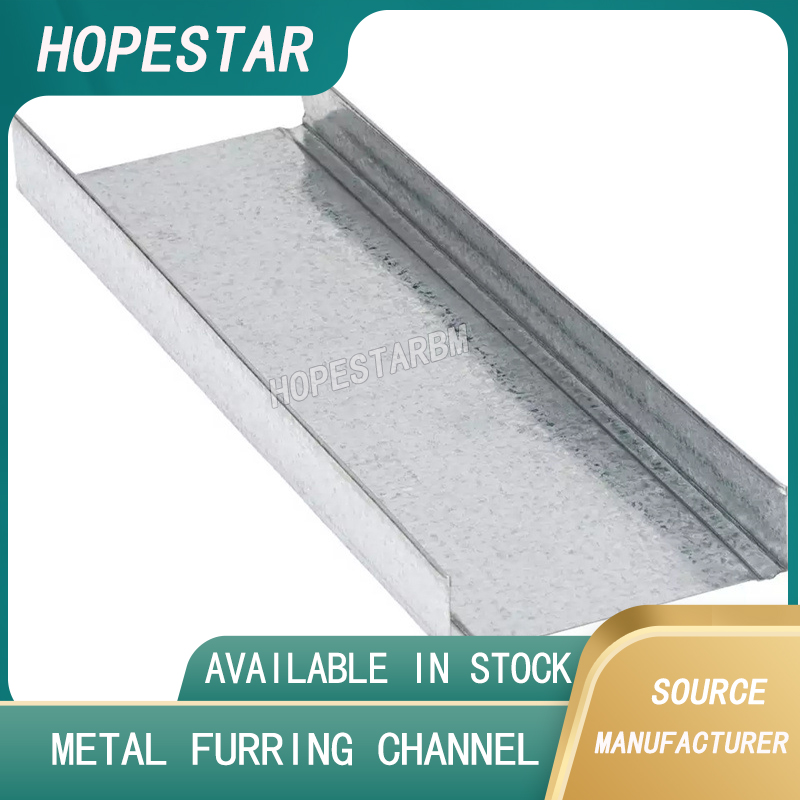
What Is a Ceiling Steel Profile?Common Ceiling Steel Profile Specifications
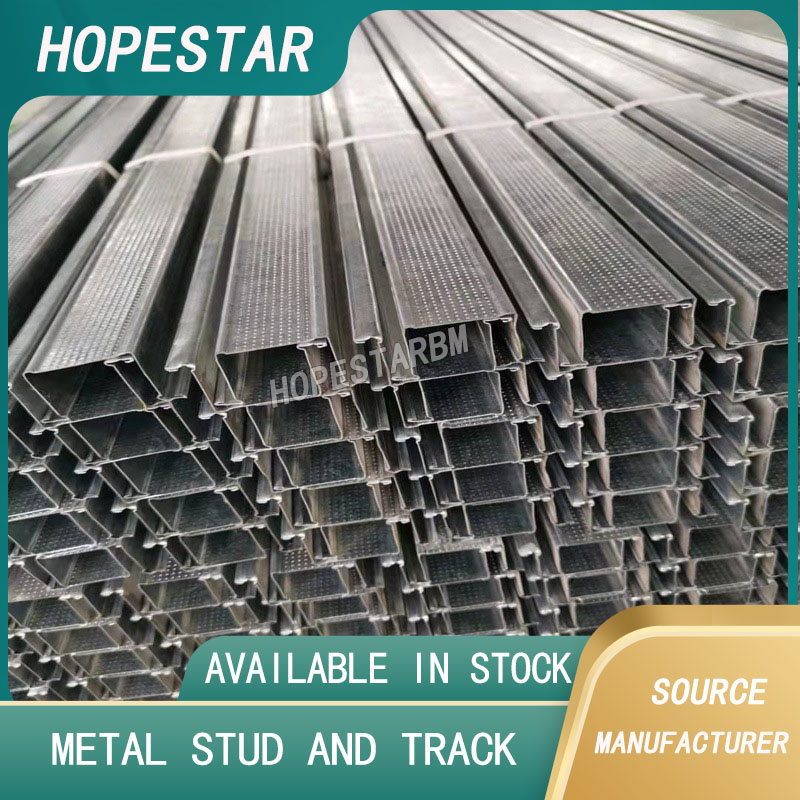
In modern interior construction, ceiling systems play an essential role in both aesthetics and structural performance. One of the key components in suspended ceiling installations is the ceiling steel profile. Understanding ceiling steel profile specifications is important for contractors, builders, and project managers who want durable, stable, and efficient ceiling systems.
Ceiling steel profiles are widely used in commercial buildings, offices, hotels, shopping malls, and residential projects due to their strength, lightweight structure, and easy installation.
What Is a Ceiling Steel Profile?
A ceiling steel profile is a galvanized steel framing component used to support suspended ceilings and drywall systems. These profiles create the framework that holds gypsum boards, mineral fiber boards, and decorative ceiling panels.
Compared with traditional wood framing, steel profiles offer better durability, moisture resistance, and fire protection.
Common Ceiling Steel Profile Specifications
Ceiling steel profiles are available in different sizes and thicknesses depending on the project requirements.
Width Specifications
Common profile widths include:
- 38mm
- 50mm
- 60mm
- 75mm
Wider profiles are generally used for larger ceiling systems requiring stronger load-bearing capacity.
Thickness Specifications
The thickness of ceiling steel profiles usually ranges from:
- 0.4mm
- 0.5mm
- 0.6mm
- 0.8mm
- 1.0mm
Thicker profiles provide greater strength and stability, especially for commercial or industrial projects.
Length Specifications
Standard lengths commonly include:
- 3 meters
- 4 meters
- Customized lengths
Custom sizes are often available for special construction requirements.
Materials Used in Ceiling Steel Profiles
Most ceiling steel profiles are manufactured from galvanized steel. The zinc coating helps protect the steel from corrosion and rust, making it suitable for humid environments.
Some high-end profiles also feature:
- Anti-corrosion coating
- Fire-resistant treatment
- High-strength steel material
These features improve the lifespan and performance of the ceiling system.
Advantages of Using Ceiling Steel Profiles
Strong Structural Support
Ceiling steel profiles provide excellent load-bearing performance for suspended ceilings and drywall systems.
Lightweight and Easy Installation
Steel profiles are lightweight, making transportation and installation faster and more efficient.
Fire and Moisture Resistance
Unlike wood framing, steel profiles do not rot, warp, or easily catch fire.
Long Service Life
High-quality galvanized steel profiles can maintain stability and durability for many years with minimal maintenance.
Applications of Ceiling Steel Profiles
Ceiling steel profiles are commonly used in:
- Office buildings
- Hotels
- Hospitals
- Shopping centers
- Residential apartments
- Industrial facilities
They are ideal for both ceiling and partition wall systems.
How to Choose the Right Ceiling Steel Profile
When selecting ceiling steel profile specifications, consider:
- Ceiling load requirements
- Building environment
- Corrosion resistance
- Steel thickness
- Installation method
Choosing the correct specification helps improve construction safety and long-term performance.
Conclusion
Understanding ceiling steel profile specifications is essential for achieving stable, durable, and professional ceiling systems. With various sizes, thicknesses, and materials available, ceiling steel profiles can meet the needs of both residential and commercial construction projects.
As modern building standards continue to improve, high-quality ceiling steel profiles remain one of the most reliable solutions for suspended ceiling and drywall applications.
The Difference Between Paper-Faced and Metal Corner Beads
Why Carrying Channel and Metal Furring Are Essential for Modern Ceiling and Wall Systems
Related Article