What Is the Furring Channel Used For?

In modern construction and interior finishing systems, the furring channel plays an important role in creating stable, durable, and professional wall and ceiling structures. Whether used in residential buildings, commercial offices, hotels, or industrial facilities, furring channels help improve installation efficiency while providing strong support for drywall and ceiling panels.
But what exactly is a furring channel used for, and why is it widely used in construction projects? This article explains the functions, applications, advantages, and common types of furring channels.
What Is a Furring Channel?
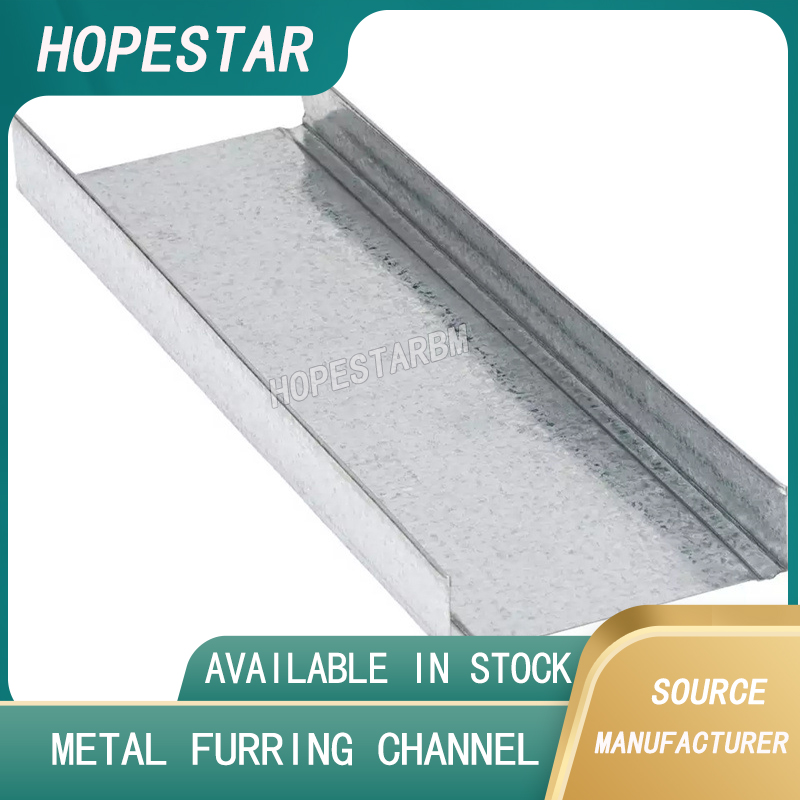
A furring channel is a lightweight metal framing component typically made from galvanized steel. It is designed to create a level and secure framework for attaching drywall, plasterboard, ceiling tiles, and other finishing materials.
Furring channels are commonly used in suspended ceiling systems and wall framing applications. They help create an even surface while also allowing space for insulation, wiring, plumbing, or ventilation systems behind the wall or ceiling.
Because of their strength, corrosion resistance, and easy installation, metal furring channels are now preferred over traditional wood furring strips in many projects.
Main Uses of Furring Channel
1. Suspended Ceiling Systems
One of the most common uses of a furring channel is in suspended ceiling construction. The channel supports gypsum boards or ceiling panels while maintaining structural stability.
In office buildings, shopping malls, schools, and residential homes, furring channels help create smooth and level ceiling finishes.
Benefits include:
- Faster installation
- Reduced ceiling cracking
- Better alignment
- Improved durability
2. Drywall Wall Framing
Furring channels are also widely used for drywall partition walls. They provide a lightweight but strong structure for mounting drywall sheets.
Compared to traditional wood framing, metal furring channels are:
- More resistant to moisture
- Less likely to warp
- Fire-resistant
- Easier to maintain
This makes them suitable for both residential and commercial interior construction.
3. Creating Space for Utilities
Another important function of furring channels is creating space behind walls and ceilings for:
- Electrical wiring
- Air conditioning ducts
- Plumbing pipes
- Sound insulation materials
This hidden space improves the overall appearance of the interior while protecting building systems.
4. Wall Leveling and Surface Correction
In renovation projects, walls are not always perfectly flat. Furring channels help create an even installation surface before drywall or decorative panels are attached.
This is especially useful for:
- Concrete walls
- Masonry surfaces
- Basement renovations
- Old building upgrades
Advantages of Using Furring Channels
Lightweight but Strong
Galvanized steel furring channels provide excellent strength while remaining lightweight, making transportation and installation easier.
Corrosion Resistance
Most furring channels are coated with zinc to resist rust and corrosion, especially in humid environments.
Cost-Effective
Because they are durable and require less maintenance, furring channels help reduce long-term construction costs.
Easy Installation
Contractors prefer furring channels because they are easy to cut, fasten, and assemble. This can significantly reduce labor time on large construction projects.
Fire and Moisture Resistance
Unlike wood materials, metal furring channels do not absorb moisture and are less likely to support mold growth or fire spread.
Common Types of Furring Channels
Several types of furring channels are available depending on the project requirements:
- Hat Furring Channel
- Omega Furring Channel
- Resilient Channel
- Z Furring Channel
Each type serves different structural and acoustic purposes in wall and ceiling systems.
Conclusion
The furring channel is an essential component in modern construction and interior finishing. From suspended ceilings to drywall partitions and renovation work, it provides a reliable framework that improves both structural performance and installation efficiency.
With advantages such as corrosion resistance, lightweight strength, and easy installation, furring channels have become a preferred solution for builders and contractors worldwide. Choosing high-quality galvanized steel furring channels can help ensure long-lasting and professional construction results for residential, commercial, and industrial projects.
What Are Metal Corner Beads?
Thread Rod: A Strong and Versatile Fastening Solution for Modern Construction
Related Article