
Furring Channel: A Reliable Solution for Modern Ceiling and Wall Framing Systems
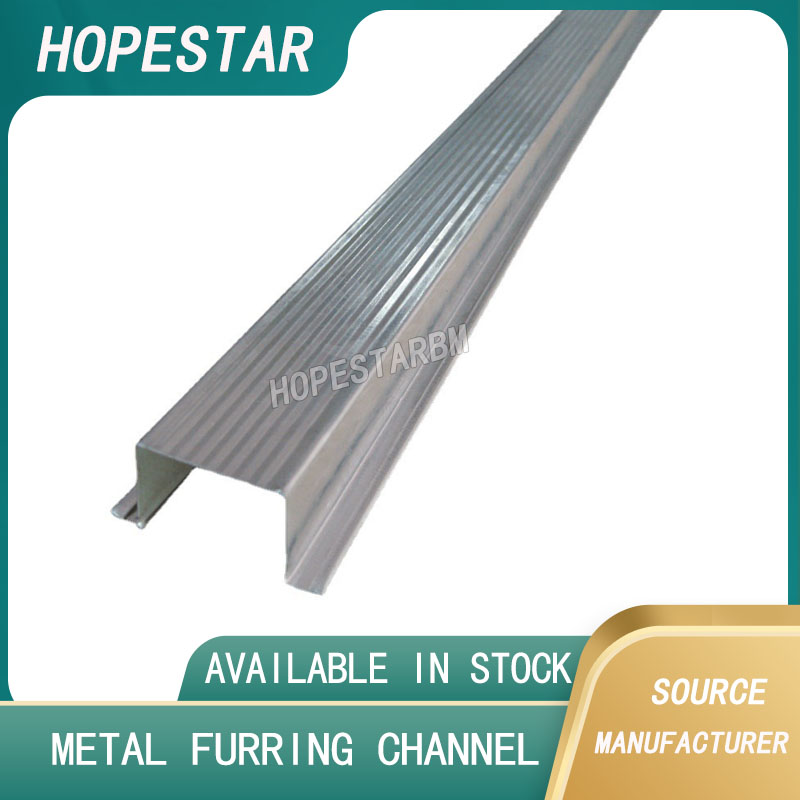
In modern construction and interior decoration projects, the furring channel plays an essential role in creating stable, durable, and professional framing systems. Widely used in drywall ceilings, partition walls, and wall leveling applications, furring channel has become one of the most important metal framing components in residential, commercial, and industrial construction.
A furring channel is typically made from galvanized steel or other corrosion-resistant metal materials. It is designed to provide support and alignment for drywall panels, ceiling boards, and other finishing materials. By creating a stable framework between the structural surface and finishing layer, furring channels help improve the strength, appearance, and durability of construction systems.
One of the major advantages of furring channel is its lightweight yet high-strength design. Compared with traditional wood framing materials, metal furring channels are more resistant to moisture, warping, cracking, and termite damage. This makes them an ideal solution for humid environments such as bathrooms, kitchens, basements, and commercial buildings where long-term durability is important.
Another important benefit of furring channel is its excellent installation efficiency. Most furring channels are precision-manufactured for easy cutting, fastening, and alignment on construction sites. Contractors can quickly create level wall and ceiling systems while reducing labor costs and installation time. The lightweight structure also makes transportation and handling more convenient during large construction projects.
Furring channel is commonly used in suspended ceiling systems to support gypsum boards and ceiling panels. It helps create a smooth and even ceiling surface while allowing space for electrical wiring, ventilation systems, and insulation materials. In wall applications, furring channels are often installed on concrete or masonry walls to create a flat surface for drywall installation.
There are different types of furring channel available for various construction needs. Hat furring channels are widely used in ceiling and wall systems because of their strong load-bearing capacity and easy installation. Resilient furring channels are designed to reduce sound transmission between rooms, making them popular in apartments, offices, hotels, and hospitals. Z furring channels are commonly used for insulation systems and exterior wall applications.
Durability is another reason why builders prefer galvanized steel furring channel. The zinc-coated surface provides strong resistance against rust and corrosion, helping maintain long-term structural stability. High-quality furring channels can also improve fire resistance and overall building safety.
As construction standards continue to improve, the demand for efficient and durable framing materials is increasing worldwide. Furring channel remains a cost-effective and reliable choice for modern ceiling and wall framing systems. Whether used in residential homes, office buildings, shopping malls, schools, or industrial facilities, furring channel provides excellent support, easy installation, and long-lasting performance.
Choosing the right furring channel can greatly improve the quality and durability of drywall and ceiling systems. With its versatility, strength, and practical advantages, furring channel continues to be an essential component in modern construction and interior finishing projects.
Wall Angle: A Key Component for Strong and Precise Ceiling and Drywall Systems
Metal Profile: An Essential Material for Modern Construction and Interior Systems
Related Article



