What is a Metal Stud? A Comprehensive Guide to Modern Framing Solutions
In the world of construction, the skeleton of a building determines its strength, durability, and safety. While wood has been the traditional choice for centuries, a modern alternative has taken over the commercial and residential industries: the Metal Stud.
Whether you are a homeowner planning a basement renovation or a professional contractor, understanding what a metal stud is and why it is used can transform the quality of your build. This guide explores the anatomy, benefits, and applications of metal stud framing.
Understanding the Metal Stud
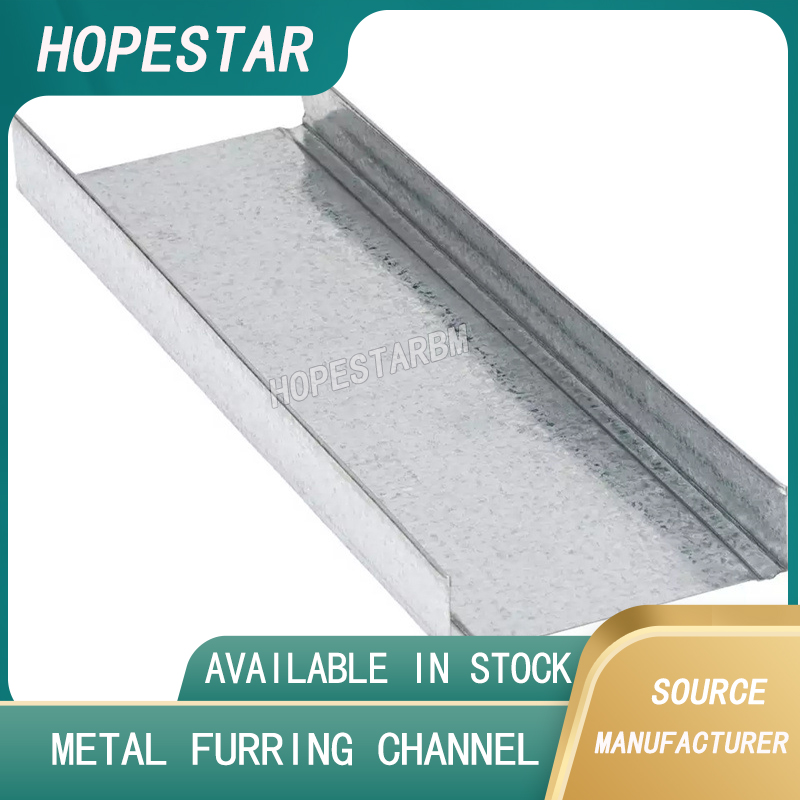
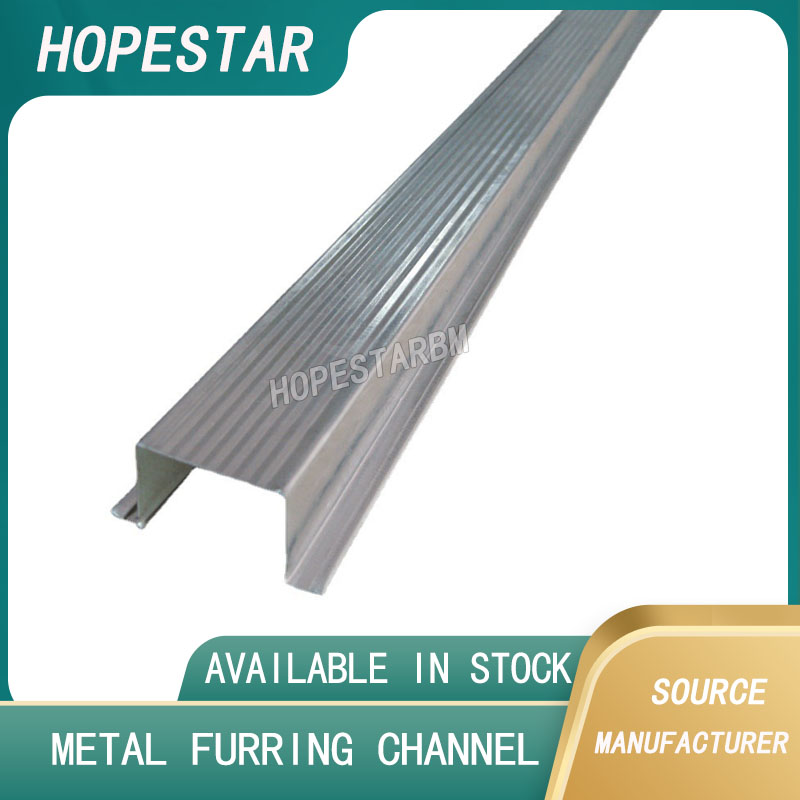
A metal stud is a vertical structural member made from cold-formed galvanized steel. Unlike wood studs, which are cut from trees, metal studs are manufactured through a process where thin sheets of steel are rolled into specific shapes—most commonly a "C" channel.
Metal studs are part of a two-component system:
-
The Track (U-shape): These are fastened to the floor and ceiling.
-
The Stud (C-shape): These are snapped into the tracks vertically and fastened with screws to create the wall’s framework.
To prevent rust and corrosion, these studs are coated with a layer of zinc (galvanization), making them ideal for long-term structural integrity.
Key Benefits of Metal Stud Framing
Why are architects and builders increasingly ditching timber for steel? The answer lies in the unique physical properties of metal.
1. Fire and Pest Resistance
One of the most significant advantages of metal studs is that they are non-combustible. In the event of a fire, metal framing does not provide fuel, which can help contain the flames and improve the building's fire rating. Additionally, steel is inorganic, meaning it is completely immune to termites, carpenter ants, and other wood-boring pests.
2. Precision and Dimensional Stability
Wood is a natural material that warps, twists, shrinks, and knots. Metal studs are engineered to be perfectly straight. This geometric precision ensures that your walls are flat, your corners are square, and your drywall remains crack-free over time.
3. Moisture and Rot Resistance
Basements and bathrooms are high-humidity areas where wood framing often fails due to rot or mold. Metal studs do not absorb moisture. They won't rot, split, or support mold growth, making them the superior choice for damp environments.
4. Sustainability
Steel is the most recycled material on the planet. Most metal studs are made from a percentage of recycled steel and are 100% recyclable at the end of the building’s lifespan, making it an eco-friendly choice for green building projects.
Structural vs. Non-Structural Studs
Not all metal studs are created equal. They are categorized by their gauge (thickness):
-
Non-Structural Studs (Light Gauge): Typically 25-gauge or 20-gauge (drywall studs). These are used for interior partition walls that do not support the weight of the roof or upper floors.
-
Structural Studs (Heavy Gauge): Usually 18, 16, or 14-gauge. These are thicker and used for load-bearing exterior walls and structural floor joists.
Ease of Installation
For many, metal studs are easier to handle than wood. They are lightweight, which reduces worker fatigue. They also feature "knockouts"—pre-punched holes in the center of the stud that allow electrical wires and plumbing pipes to pass through easily without the need for drilling.
Conclusion
So, what is a metal stud? It is the high-tech, durable, and fire-safe evolution of the traditional 2x4. By offering immunity to pests, rot, and fire, while providing perfectly straight lines for high-end finishes, metal stud framing has become the backbone of modern architecture. Whether you’re building a high-rise office or finishing a home gym, metal studs provide a foundation that is built to last.
Cement Board: The Ultimate Building Material for Durability and Versatility
Why Light Gauge Steel Stud Framing is the Game-Changer for Your Residential Basement Finishing
Related Article