What is a Drywall Metal Channel?Key Types of Drywall Metal Channels
In modern construction, the strength and finish of a wall depend on more than just the quality of the gypsum board. The internal framework plays a critical role. While traditional wood framing is still common, the drywall metal channel has become the industry standard for commercial and high-end residential projects.What is a Drywall Metal Channel?Key Types of Drywall Metal Channels
Whether you are a contractor or a DIY enthusiast, understanding the types and benefits of drywall metal channels is essential for achieving professional results.
What is a Drywall Metal Channel?
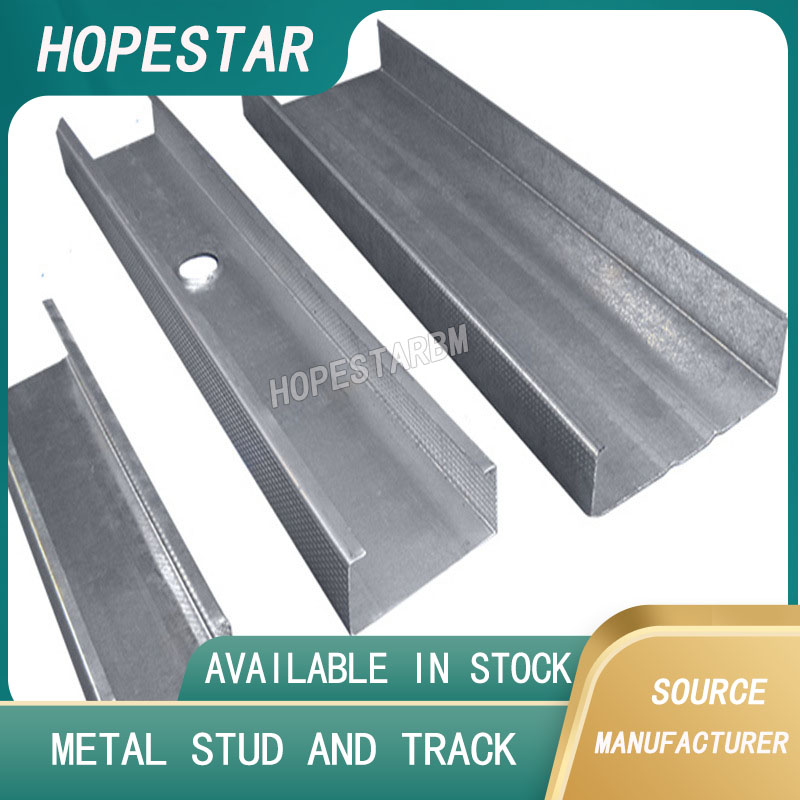
A drywall metal channel is a roll-formed steel component used to support drywall panels. Unlike heavy structural studs, these channels are typically used for "furring" out a surface—meaning they create a level framework over uneven masonry, provide a gap for insulation, or decouple the drywall from the structure to reduce noise transmission.
Key Types of Drywall Metal Channels
There are two primary types of channels used in interior finishes:
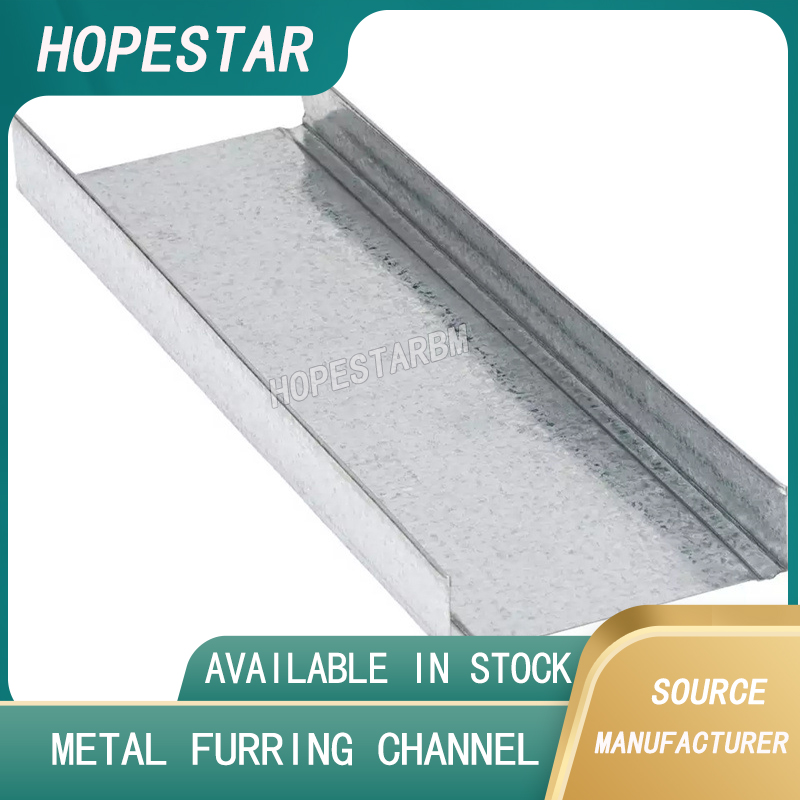
1. Furring Channel (Hat Channel)
Named for its "hat-like" cross-section, the furring channel is used to level out uneven walls or ceilings. It is screwed directly to the structure (concrete, masonry, or wood) to provide a flat surface for drywall attachment. It is also excellent for creating a small cavity for electrical wiring or thin insulation.
2. Resilient Channel (RC)
If soundproofing is your priority, the resilient channel is the solution. It features a unique flange designed to "float" the drywall. By decoupling the gypsum board from the wall studs, it breaks the path of sound vibrations, significantly improving the Sound Transmission Class (STC) rating of the room.
Why Choose Metal Channels Over Wood?
Transitioning to a drywall metal channel system offers several distinct advantages:
-
Precision and Straightness: Wood can warp, twist, or shrink over time, leading to nail pops and cracked seams. Steel channels remain perfectly straight, ensuring a flat wall for the life of the building.
-
Fire Resistance: Steel is non-combustible. Using metal channels enhances the overall fire safety of the structure.
-
Mold and Pest Resistance: Unlike wood, metal does not provide a food source for termites and is not susceptible to rot or mold growth in damp environments.
-
Space Efficiency: Furring channels allow you to finish basement masonry walls with minimal loss of square footage compared to traditional 2x4 framing.
Installation Tips for Best Results
To get the most out of your drywall metal channel installation, keep these tips in mind:
-
Spacing: Standard spacing is usually 16 or 24 inches on center, depending on the thickness of the drywall and the requirements of the project.
-
Orientation: When installing resilient channels, ensure the open side of the flange faces upward to allow the drywall to hang correctly and provide the best acoustic decoupling.
-
Fasteners: Use specialized fine-thread "pancake head" screws to attach the channel to metal studs, or masonry anchors for concrete walls.
Conclusion
The drywall metal channel is an indispensable component in high-quality construction. From providing a perfectly level surface with furring channels to creating quiet, soundproof sanctuaries with resilient channels, these steel components offer durability and performance that wood simply cannot match. For your next renovation or build, investing in a metal framing system will ensure your walls stay straight, safe, and silent for years to come.
Why Z Furring Channel Is Essential for Modern Wall Systems and Insulation Performance
Lightweight Steel Studs: The Future of Residential Building Framing
Related Article