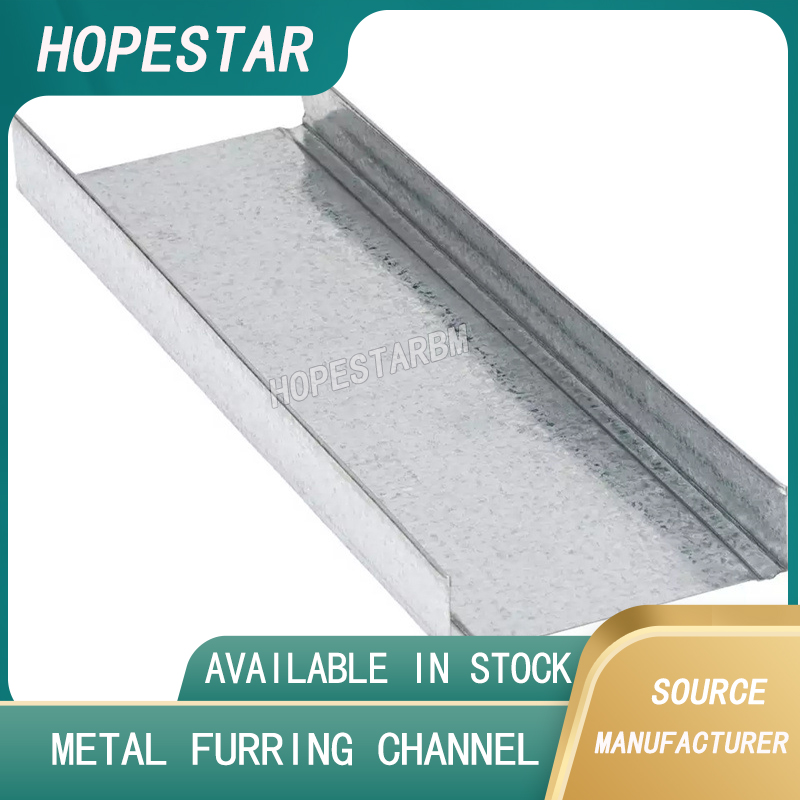
Metal Furring Channel: The Ultimate Solution for Soundproofing Walls
In today's noisy world, creating a quiet, peaceful indoor environment has become a top priority for homeowners, business owners, and architects alike. Whether you're looking to block street noise from entering your bedroom, reduce echo in a home theater, or ensure privacy in an open-office layout, choosing the right soundproofing materials is crucial. Among the various options available, metal furring channel stands out as a versatile, effective, and cost-efficient solution for soundproofing walls.
What is a Metal Furring Channel?
A metal furring channel is a thin, lightweight metal strip, typically made from galvanized steel or aluminum, designed to create a gap between the wall structure and the finished surface. This gap, combined with the channel's unique structural properties, plays a key role in reducing sound transmission. Unlike traditional wood furring, metal channels offer superior durability, resistance to moisture and pests, and consistent performance over time. They are available in various sizes and configurations, making them suitable for a wide range of soundproofing projects.
How Metal Furring Channels Enhance Soundproofing
The primary way metal furring channels improve soundproofing is by breaking the "sound bridge" between the wall and the finish. Sound travels easily through solid materials, so when drywall is directly attached to a wall stud, vibrations and noise can transfer quickly from one side to the other. By installing metal furring channels horizontally or vertically across the studs, you create an air gap that disrupts this transfer. Additionally, the channels can be filled with sound-absorbing materials like acoustic foam, mineral wool, or fiberglass insulation, further enhancing their noise-reducing capabilities.
Another benefit of metal furring channels is their ability to decouple the drywall from the wall structure. Decoupling involves separating the two surfaces so that sound vibrations in one do not directly affect the other. This is especially effective for low-frequency noises, such as traffic, music, or plumbing, which are often the most difficult to block. When combined with double-layered drywall and acoustic sealants, metal furring channels can significantly increase a wall's Sound Transmission Class (STC) rating, measuring its ability to block sound.
Installation Tips for Maximum Effectiveness
To get the most out of metal furring channels for soundproofing, proper installation is essential. Here are some key tips:
-
Choose the Right Size: Select channels that match the thickness of your insulation and drywall. Common sizes include 1-1/2 inch and 2-inch channels, which provide enough space for sound-absorbing materials.
-
Space Channels Correctly: Install channels 16 to 24 inches apart, depending on the weight of the drywall and the level of soundproofing needed. This ensures proper support while maintaining the air gap.
-
Fill the Gap: Use high-density acoustic insulation to fill the space between the channels. Avoid compressing the insulation, as this can reduce its sound-absorbing properties.
-
Seal Gaps and Joints: Apply acoustic caulk or sealant around the edges of the drywall and between channels to prevent sound from leaking through small openings.
-
Double Up Drywall: For extra soundproofing, install two layers of drywall, staggering the seams to create a more solid barrier. Use screws that are long enough to reach the channels but not the underlying studs, preserving the decoupling effect.
Why Metal Furring Channels Are a Better Choice Than Wood
While wood furring has been used for decades, metal channels offer several advantages for soundproofing:
-
Durability: Metal is resistant to warping, rotting, and insect damage, ensuring long-lasting performance.
-
Consistency: Metal channels are manufactured to precise specifications, providing uniform spacing and support.
-
Moisture Resistance: Unlike wood, metal does not absorb moisture, making it ideal for bathrooms, basements, and other humid environments.
-
Fire Safety: Galvanized steel and aluminum are non-combustible, adding an extra layer of safety to your soundproofing project.
Metal Corner Bead for Interior Drywall Finishing
Mastering Metal Furring Channel Spacing for Ceiling Installation
Related Article