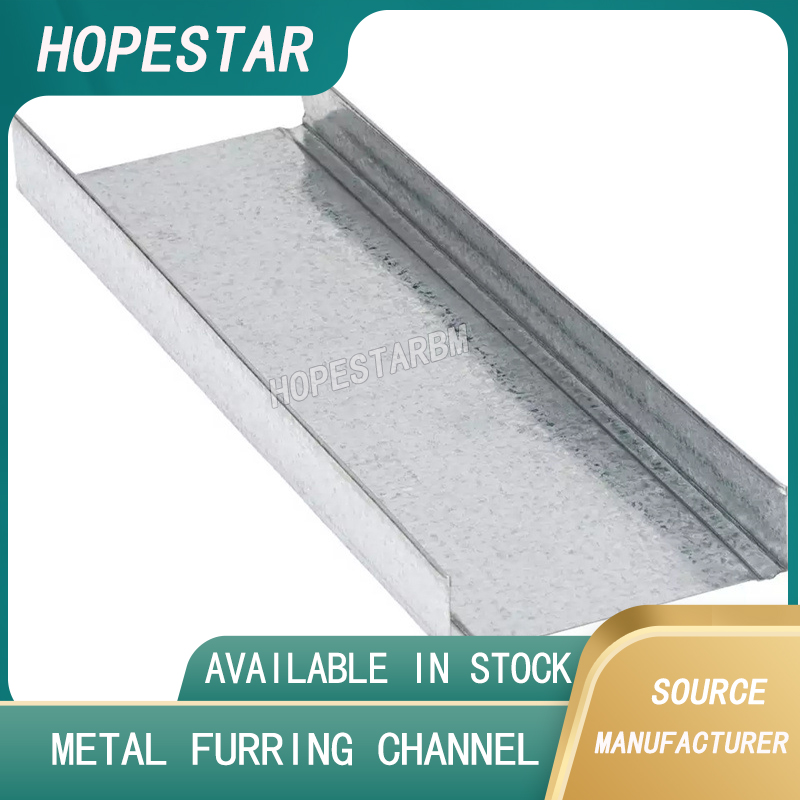
Why Use Metal Drywall Furring Channels for Your Next Project?
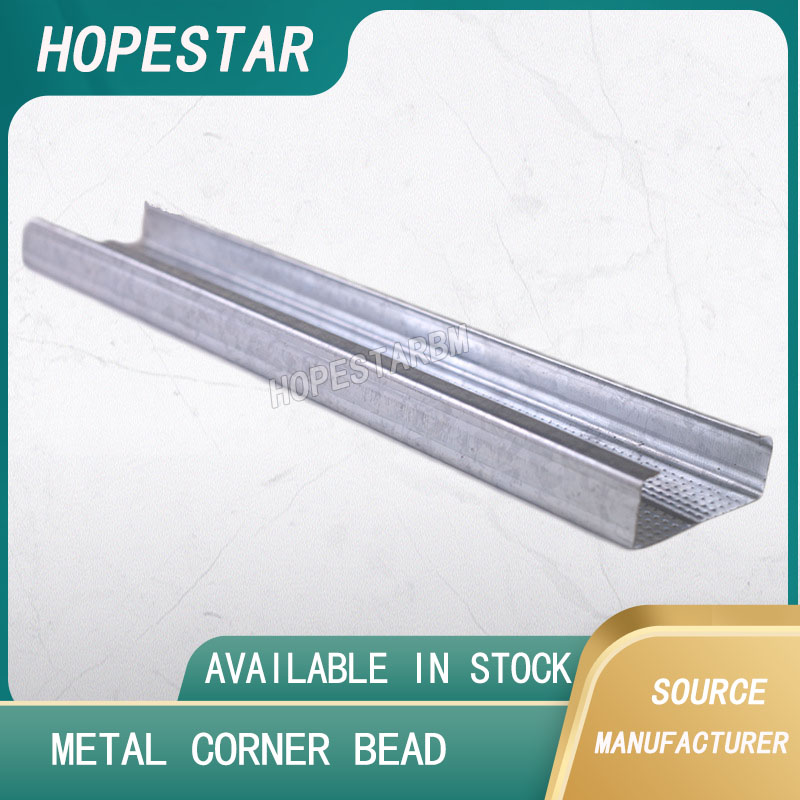
When planning a renovation or a new build, the strength of your finished wall depends entirely on the framework behind it. While wood furring strips have been the traditional choice for decades, metal drywall furring channels (also known as "hat channels") have revolutionized the industry.
If you are aiming for perfectly flat walls, enhanced safety, and long-term durability, metal is the way to go. Here are the top reasons why you should use metal drywall furring channels for your next construction project.
1. Unmatched Precision and Straightness
The biggest challenge with wood is that it is a natural material prone to warping, twisting, and bowing. If your furring strips aren't perfectly straight, your drywall will eventually show waves or "pops" at the seams.
Metal drywall furring channels are roll-formed from high-quality galvanized steel. They are engineered to be 100% straight and remain that way regardless of temperature changes or humidity. Using metal ensures a smooth, flat substrate, which is essential for high-end finishes and large-format wall designs.
2. Superior Resistance to Fire and Pests
Safety and longevity are paramount in modern construction. Unlike wood, metal furring channels are non-combustible. Using steel framing adds an extra layer of fire protection to your structure, which is often a requirement in commercial building codes.
Furthermore, metal is immune to the threats that destroy wood. You never have to worry about termites, carpenter ants, or dry rot. By choosing metal, you are building a structure that can literally last a lifetime without biological degradation.
3. Moisture Resistance and Mold Prevention
In areas prone to dampness—such as basements, bathrooms, or when furring out exterior masonry walls—moisture is the enemy. Wood strips can absorb moisture from concrete walls, leading to mold growth and wood rot behind your drywall.
Metal furring channels are galvanized with a zinc coating that prevents rust and corrosion. They do not absorb moisture and do not provide a food source for mold. This makes them the gold standard for basement finishing and "furring out" concrete or brick walls.
4. Enhanced Soundproofing Capabilities
If you are building a home theater, a recording studio, or simply want a quieter bedroom, metal furring channels are a critical component. When used with sound isolation clips, these channels "decouple" the drywall from the structural studs.
This decoupling breaks the path of vibration, significantly reducing the amount of noise that travels through walls and ceilings. Even without clips, the inherent flexibility of a light-gauge metal channel provides better acoustic performance than a rigid wood strip.
5. Ease of Installation and Space Efficiency
Metal furring channels are lightweight and easy to handle. They can be cut quickly with aviation snips and fastened to concrete or steel using powder-actuated tools or self-tapping screws.
Because they come in various depths (such as the popular 7/8” profile), they allow you to create a service cavity for electrical wiring or insulation without taking up excessive floor space. This low-profile design is ideal for urban apartments and small room renovations where every inch counts.
6. Cost-Effectiveness Over Time
While the initial material cost of galvanized steel may be slightly higher than low-grade lumber, the long-term savings are significant. You will save money on:
-
Labor: Faster installation and no need to "cull" through a pile of warped boards.
-
Repairs: No cracked drywall or popped screws caused by wood movement.
-
Maintenance: No pest treatments or mold remediation needed.
Conclusion
Whether you are a professional contractor or a weekend DIY warrior, metal drywall furring channels offer a level of performance that wood simply cannot match. From their fire-resistant properties to their ability to create perfectly level surfaces on uneven masonry, they are the smart choice for modern interiors.
The Ultimate Guide to Drywall Furring Channels
Drywall Furring Channel Sizes and Gauges
Related Article