What Is the Difference Between Metal Furring Channels and Battens?
In modern construction and interior finishing, both metal furring channels and battens play essential roles in creating stable frameworks for walls and ceilings. Although they may seem similar at first glance, these two components differ significantly in terms of material, structure, application, and performance. Understanding their differences can help contractors, builders, and homeowners choose the right solution for their projects.
What Are Metal Furring Channels?
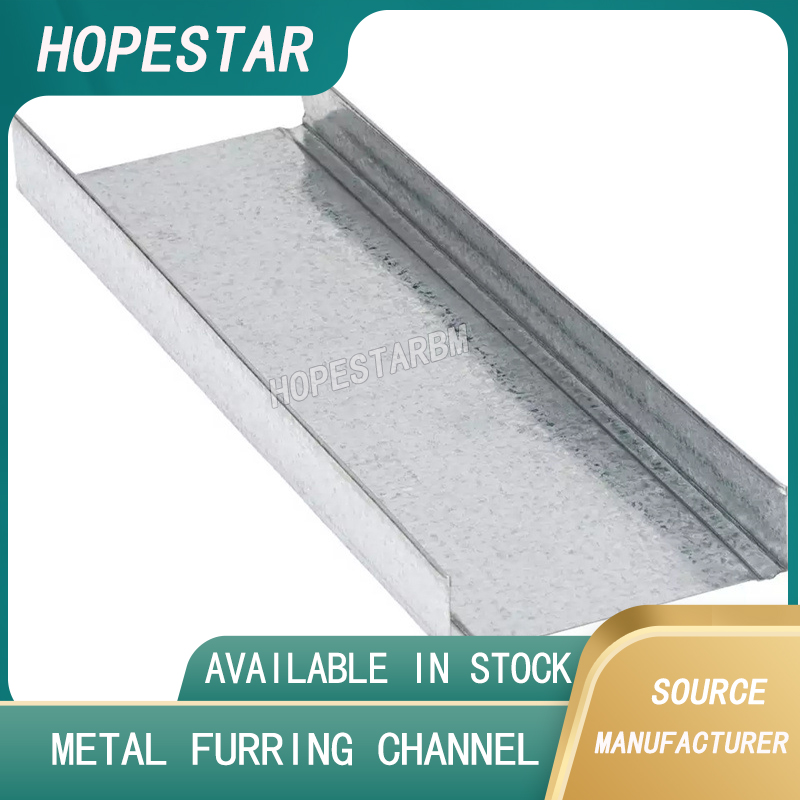
Metal furring channels are lightweight, galvanized steel profiles designed to provide a stable and level surface for attaching drywall, gypsum boards, or ceiling panels. They are commonly used in suspended ceiling systems and wall cladding applications. Thanks to their corrosion resistance and consistent shape, metal furring channels are widely preferred in both residential and commercial construction.
One of the main advantages of metal furring channels is their durability. Unlike wood, steel does not warp, crack, or shrink due to moisture or temperature changes. This makes them especially suitable for humid environments such as basements, bathrooms, and kitchens. Additionally, their precise manufacturing ensures uniformity, which simplifies installation and improves overall structural integrity.
What Are Battens?
Battens are narrow strips of material used to support roofing, wall cladding, or panel systems. Traditionally, battens are made from wood, although metal and plastic versions are also available. Wooden battens have been widely used in construction for decades due to their affordability and ease of installation.
Battens are often used in roofing systems to secure tiles or shingles, as well as in wall applications to create a fixing point for cladding materials. In some decorative applications, battens are also used to create textured wall designs or to support paneling systems.
However, wooden battens are more susceptible to environmental factors. They can absorb moisture, leading to swelling, warping, or even mold growth over time. This limitation has led to the increasing popularity of metal alternatives in modern construction projects.
Key Differences Between Metal Furring Channels and Battens
The most significant difference lies in the material. Metal furring channels are typically made from galvanized steel, while battens are often made from wood. This difference directly impacts durability, lifespan, and maintenance requirements. Metal furring channels offer superior resistance to corrosion, pests, and fire, whereas wooden battens may require additional treatment to achieve similar performance.
Another important distinction is their application. Metal furring channels are primarily used for drywall and ceiling systems, providing a framework for interior finishes. Battens, on the other hand, are more commonly used in roofing and exterior cladding systems. While there is some overlap, each serves a specialized purpose in construction.
Installation methods also differ. Metal furring channels are often part of engineered systems that include clips, hangers, and connectors, making them ideal for large-scale commercial projects. Battens are generally simpler to install and may be directly nailed or screwed into place, which makes them popular in smaller or traditional construction projects.
Which One Should You Choose?
The choice between metal furring channels and battens depends largely on the specific requirements of your project. If you are working on interior ceilings or drywall systems and need a durable, moisture-resistant solution, metal furring channels are the better option. They provide long-term reliability and require minimal maintenance.
On the other hand, if your project involves roofing or decorative wall applications, battens may be more suitable, especially when cost and ease of installation are priorities. However, for environments exposed to moisture or requiring higher durability, metal battens or steel alternatives should be considered.
Conclusion
Both metal furring channels and battens are essential components in construction, but they serve different purposes. Metal furring channels excel in interior systems with their strength and durability, while battens remain a versatile option for roofing and cladding. By understanding their differences, you can make a more informed decision and ensure the success of your construction project.
Drywall Furring Channel Sizes and Gauges
Metal Corner Bead for Hotel and Office Interior Finishing
Related Article