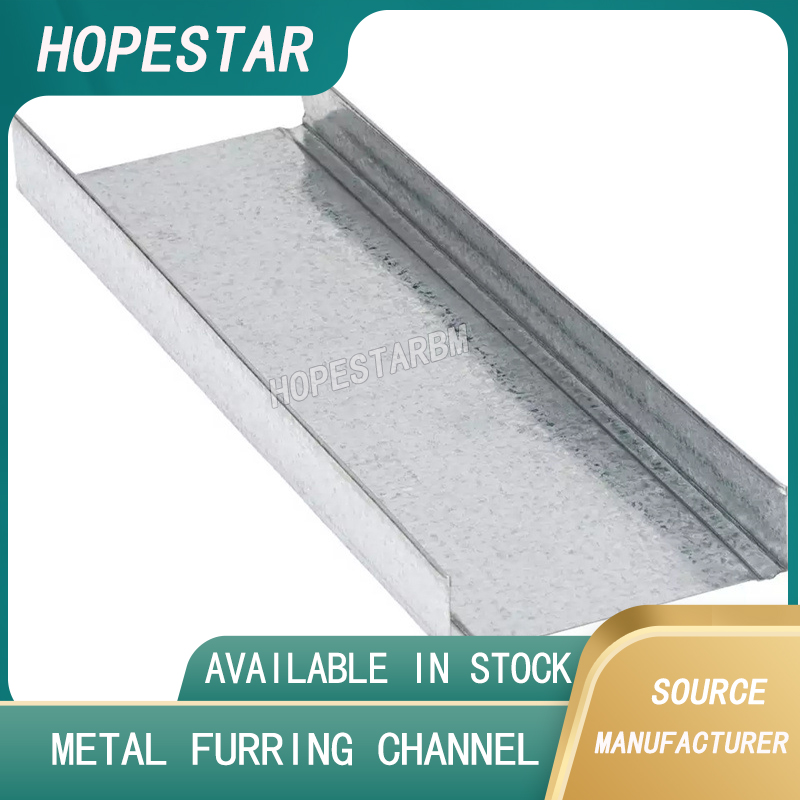
Metal Furring Channel vs Hat Channel: Differences and Applications
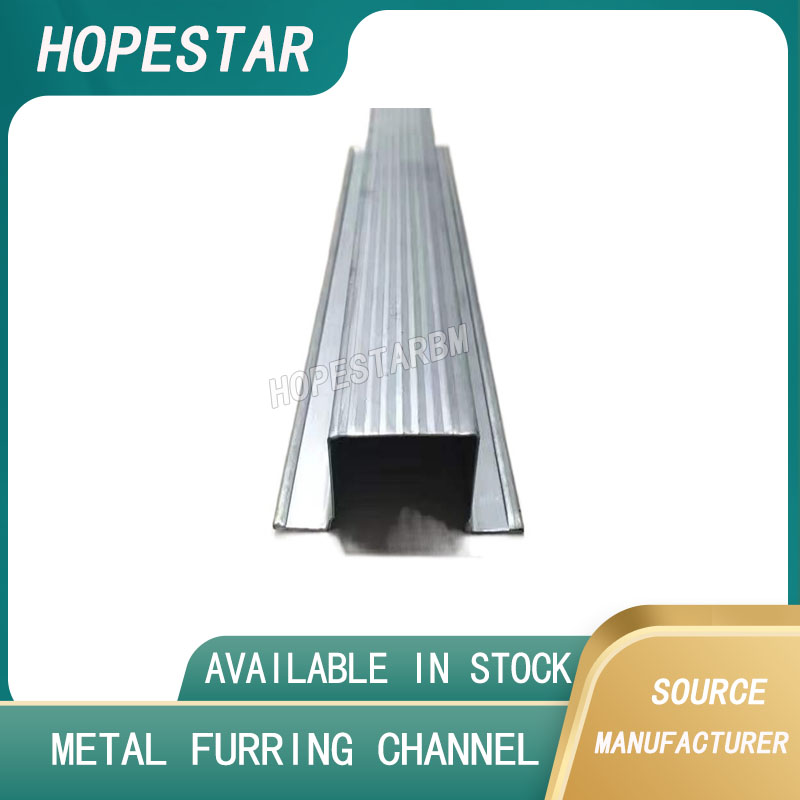
In lightweight steel framing systems and drywall installation structures, Metal Furring Channel and Hat Channel are two commonly used metal framing materials. Although both are widely applied in ceiling and wall systems, they differ significantly in shape, function, and installation usage.
1. Structural Differences
Metal Furring Channel
It usually has a C-shaped or U-shaped profile. The structure is relatively simple and is mainly used for basic support and leveling purposes.
Hat Channel
Its shape resembles a “hat,” with a flat top and downward sides. It offers higher structural stability and stronger load-bearing capacity compared to standard furring channels.
2. Main Functional Differences
Metal Furring Channel (Basic leveling and support)
It is mainly used as a base framework in ceiling or wall systems. It provides fixing and connection support and serves as a fundamental component in drywall systems.
Hat Channel (Reinforcement and load-bearing support)
It is primarily used to strengthen structural support, especially in large-span ceiling systems or applications requiring higher strength. It helps distribute loads more effectively.
3. Application Scenarios Comparison
Applications of Metal Furring Channel:
- Residential ceiling systems
- Interior partition wall frameworks
- Basic gypsum board installation systems
- Lightweight decorative ceilings
Applications of Hat Channel:
- Large-span commercial ceiling systems
- Industrial buildings or equipment rooms
- High-load gypsum board systems
- Acoustic or soundproof wall systems
4. Installation Differences
Metal Furring Channel is typically used as the base framework and is relatively easy to install, making it suitable for standardized construction projects.
Hat Channel is often used as a secondary or reinforcing channel and usually works together with main framing members to enhance overall structural stability.
5. Load-Bearing and Performance Comparison
- Metal Furring Channel: Medium load-bearing capacity, suitable for standard interior decoration
- Hat Channel: Higher load-bearing capacity and better anti-deformation performance, suitable for complex structural systems
6. Conclusion
Metal Furring Channel and Hat Channel serve different roles in lightweight steel framing systems. The former is mainly used for basic support and leveling, while the latter is designed for structural reinforcement and higher load-bearing applications.
In practical construction, the selection should be based on ceiling span, load requirements, and installation conditions. Proper use of both materials ensures structural safety and long-term stability.
Fire Resistant Metal Furring Channel for Commercial Buildings: Features, Benefits, and Applications
Standard Thickness of Metal Furring Channel for Drywall System
Related Article