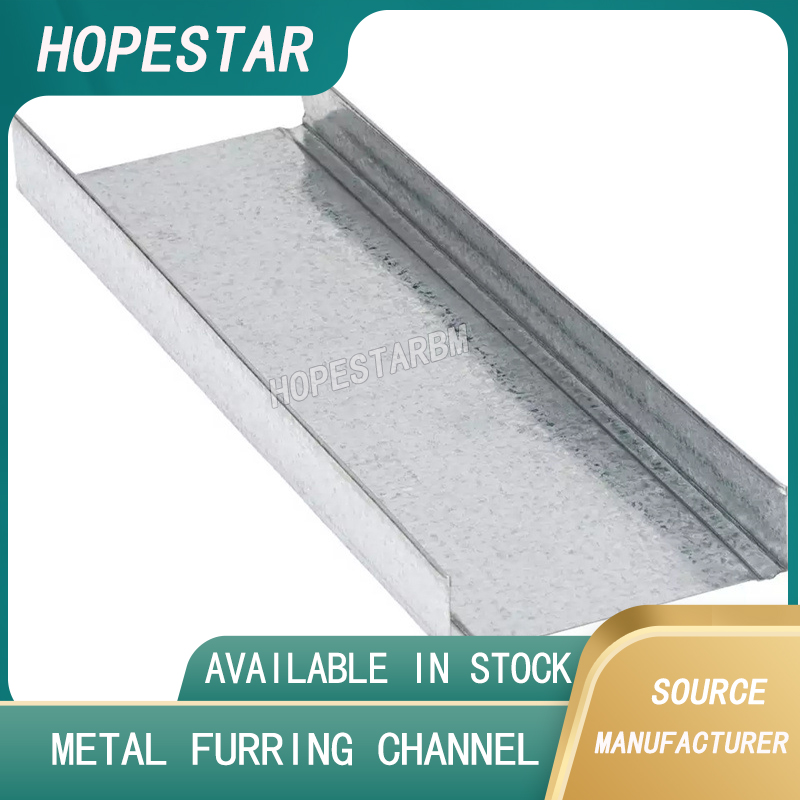
Metal Furring Channel in Residential Decoration: Applications and Installation Precautions
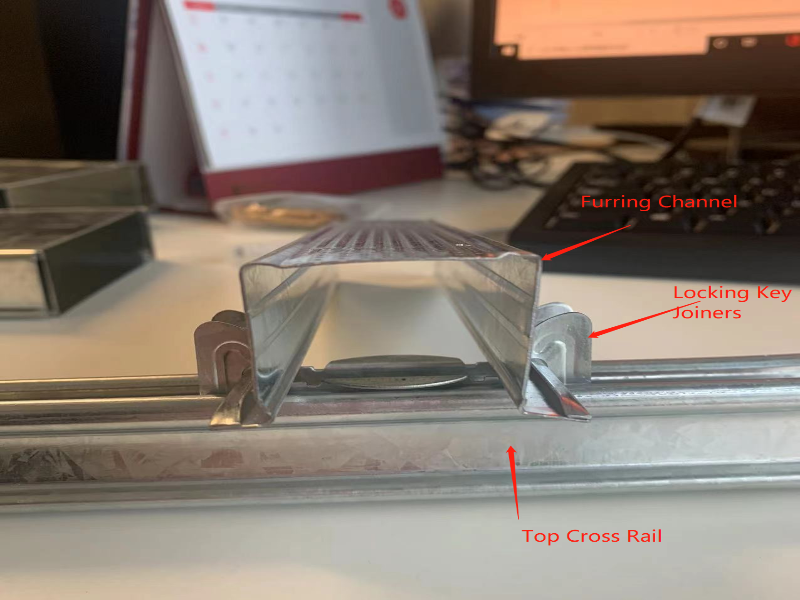
In modern residential construction and interior design, the metal furring channel plays a crucial role in creating stable, durable, and aesthetically pleasing ceiling and wall systems. As a key component in drywall and suspended ceiling frameworks, it is widely used by contractors and builders for its strength, versatility, and ease of installation.
Applications of Metal Furring Channel in Residential Projects
One of the most common uses of a metal furring channel is in ceiling systems. It serves as a supporting structure for gypsum boards or drywall panels, ensuring a flat and secure surface. In residential homes, especially in living rooms, bedrooms, and kitchens, furring channels help create suspended ceilings that can conceal electrical wiring, air conditioning ducts, and plumbing systems.
Another important application is wall leveling. When interior walls are uneven or require additional insulation, metal furring channels are installed to create a smooth and straight surface. This makes them ideal for drywall partition systems, improving both the appearance and functionality of interior spaces.
Additionally, metal furring channels are often used in soundproofing and insulation systems. By creating a gap between the wall and the drywall, they help reduce noise transmission and enhance thermal insulation, making homes more comfortable and energy-efficient.
Advantages of Using Metal Furring Channel
Compared to traditional wooden furring strips, metal furring channels offer several advantages. They are resistant to moisture, corrosion, and pests, which makes them particularly suitable for humid environments such as bathrooms and kitchens. Their galvanized steel construction ensures long-term durability and structural stability.
Moreover, metal furring channels are lightweight yet strong, allowing for faster installation and reduced labor costs. Their uniform shape and standardized sizes also make them easy to integrate with other components in drywall systems.
Installation Precautions for Metal Furring Channel
While metal furring channels are relatively easy to install, proper techniques and precautions are essential to ensure optimal performance.
First, accurate measurement and layout are critical. Before installation, ensure that the spacing between channels is consistent and aligned with the design requirements. Improper spacing can lead to weak support and uneven surfaces.
Second, secure fastening is important. Use appropriate screws and anchors to firmly attach the furring channels to the base structure, whether it is concrete, brick, or steel. Loose connections can compromise the stability of the entire system.
Third, consider load-bearing capacity. When installing ceiling systems, it is essential to evaluate the weight of the drywall, lighting fixtures, and other components. Choose the correct thickness and specification of metal furring channel to avoid structural issues.
Another key precaution is corrosion protection. Although most metal furring channels are galvanized, additional protective measures may be needed in high-humidity environments to extend their lifespan.
Finally, always follow safety standards during installation. Workers should use proper tools and protective equipment to prevent accidents and ensure a high-quality finish.
Conclusion
The metal furring channel is an indispensable material in residential decoration, offering reliable support for ceilings and walls while enhancing overall construction quality. By understanding its applications and following proper installation practices, homeowners and contractors can achieve durable, efficient, and visually appealing interior spaces.
What Are the Advantages of Metal Furring Channel Compared to Wood Furring Strip?
Hat Channel: A Reliable Solution for Strong and Level Wall & Ceiling Systems
Related Article