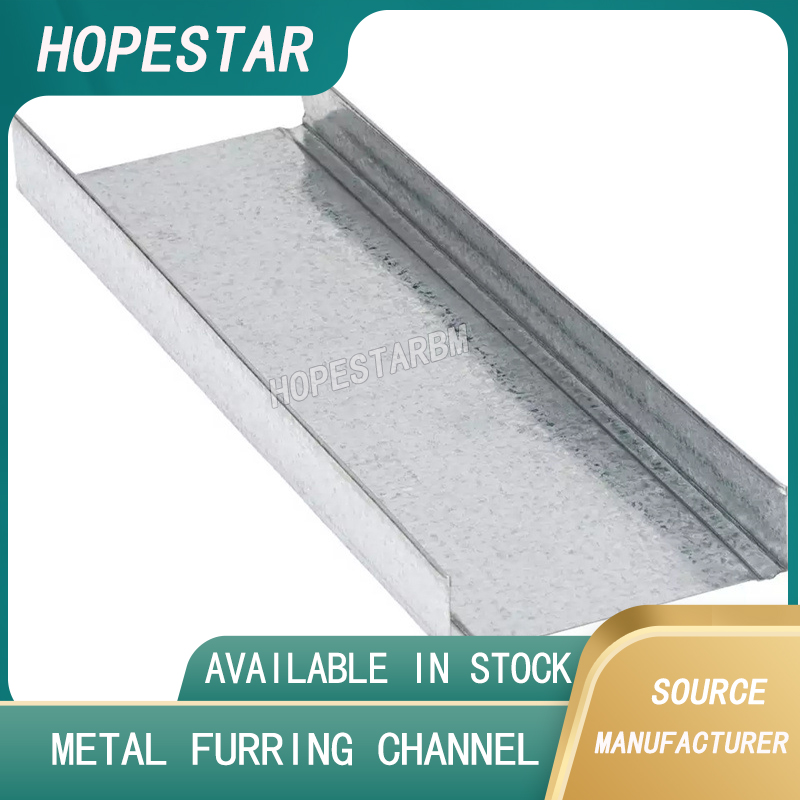
Z-Furring Channel Sizes: A Complete Guide for Efficient Wall Insulation Systems

Choosing the correct Z-Furring Channel sizes is essential for achieving a strong, energy-efficient, and properly aligned wall system. Widely used in commercial and residential construction, Z-furring channels are specifically designed to support insulation and drywall installation over masonry or concrete walls.
This guide explores standard Z-Furring Channel sizes, their importance, and how to select the right option for your project.
What Is a Z-Furring Channel?
A Z-furring channel is a cold-formed galvanized steel profile shaped like the letter “Z.” It is primarily used to create a cavity between the structural wall and the finished drywall surface. This cavity allows for insulation placement, improving both thermal and acoustic performance.
Standard Z-Furring Channel Sizes
Understanding common Z-Furring Channel sizes helps ensure compatibility with insulation thickness and project specifications. The size typically refers to the depth of the channel, which determines the insulation space.
Here are the most widely used sizes:
- 1 inch (25 mm): Suitable for thin insulation applications or minimal spacing needs.
- 1-1/2 inch (38 mm): A versatile size used in light commercial and residential walls.
- 2 inch (51 mm): Ideal for moderate insulation requirements.
- 2-1/2 inch (64 mm): Common in projects needing improved thermal resistance.
- 3 inch (76 mm): Designed for high-performance insulation systems.
- 4 inch (102 mm): Used in heavy-duty or high R-value wall assemblies.
In addition to depth, thickness (gauge) is another important factor. Typical gauges range from 25 to 20 gauge, depending on load-bearing requirements.
Why Z-Furring Channel Sizes Matter
Selecting the correct Z-Furring Channel sizes directly impacts the overall performance of your wall system:
- Insulation Efficiency: Proper depth ensures the insulation fits perfectly without compression.
- Structural Stability: Correct sizing provides adequate support for drywall panels.
- Moisture Control: Adequate spacing helps prevent condensation buildup.
- Energy Savings: Better insulation leads to improved energy efficiency.
Applications of Different Z-Furring Channel Sizes
Different projects require different Z-Furring Channel sizes. Here are some common applications:
- Interior Basement Walls: Typically use 1-1/2” to 2” channels for moderate insulation.
- Exterior Masonry Walls: Often require 2-1/2” to 4” channels for higher insulation performance.
- Commercial Buildings: Larger sizes are preferred for enhanced thermal and acoustic control.
- Renovation Projects: Smaller sizes are used where space is limited.
How to Choose the Right Z-Furring Channel Size
When selecting the appropriate Z-Furring Channel size, consider the following factors:
- Insulation Thickness: Match the channel depth to the insulation material.
- Wall Type: Concrete, brick, or block walls may require different sizes.
- Climate Conditions: Colder regions often require thicker insulation and deeper channels.
- Building Codes: Always comply with local construction standards and regulations.
Installation Considerations
Proper installation is just as important as choosing the correct size:
- Maintain consistent spacing between channels, typically 16” or 24” on center.
- Secure channels firmly to the substrate using appropriate fasteners.
- Ensure alignment for a smooth drywall finish.
- Avoid compressing insulation during installation.
Metal Corner Bead: The Essential Solution for Durable and Perfect Wall Corners
Drywall Furring Channel: The Essential Component for Modern Ceiling and Wall Systems
Related Article