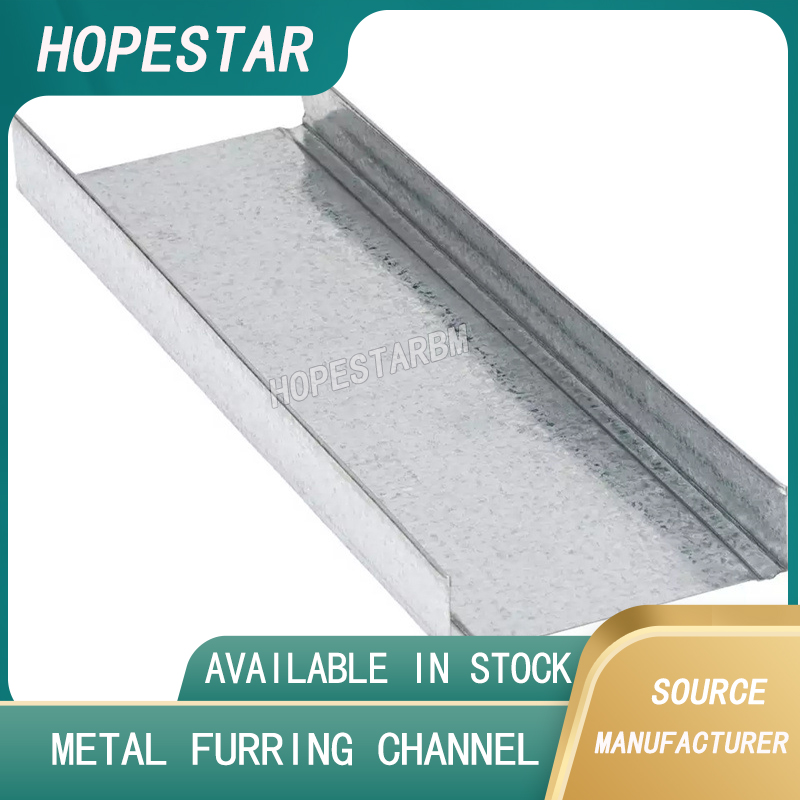
Drywall Furring Channel: The Essential Component for Modern Ceiling and Wall Systems

When it comes to constructing durable, level, and visually appealing walls and ceilings, the drywall furring channel plays a critical role. Whether in residential, commercial, or industrial buildings, this lightweight yet strong metal component ensures proper alignment, support, and longevity for drywall installations.
What Is a Drywall Furring Channel?
A drywall furring channel is a galvanized steel profile used to create a stable framework for attaching drywall panels. It is typically installed horizontally or perpendicularly across structural surfaces such as concrete walls, masonry, or ceilings. By forming a secondary framework, it provides a smooth and even base for drywall boards.
Key Features of Drywall Furring Channel
One of the main reasons contractors prefer drywall furring channels is their outstanding performance and versatility. Here are some key features:
- Corrosion Resistance: Made from galvanized steel, furring channels resist rust and moisture, making them ideal for humid environments.
- Lightweight and Strong: Despite being lightweight, they offer excellent load-bearing capacity.
- Easy Installation: Their standardized design allows for quick and efficient installation.
- Cost-Effective: Compared to traditional wood framing, metal furring channels are more durable and require less maintenance.
Common Types of Drywall Furring Channel
There are several types of drywall furring channel systems used in construction:
- Hat Channel (Omega Channel): Shaped like a hat, commonly used for walls and ceilings.
- C Channel: Often used in combination with other framing systems.
- Resilient Channel: Designed to reduce sound transmission between walls and ceilings.
Each type of drywall furring channel serves a specific purpose depending on the project requirements.
Applications of Drywall Furring Channel
Drywall furring channels are widely used in various construction scenarios:
- Ceiling Systems: Provide a stable base for suspended or direct-fix ceilings.
- Wall Leveling: Used to correct uneven surfaces before drywall installation.
- Soundproofing Systems: Especially when using resilient channels.
- Basements and Concrete Walls: Create space for insulation and wiring.
Their adaptability makes drywall furring channels a go-to solution for modern construction needs.
Installation Tips for Better Performance
To maximize the performance of drywall furring channels, proper installation is essential:
- Ensure accurate spacing between channels (commonly 16” or 24” on center).
- Use appropriate fasteners for different substrates such as concrete or steel.
- Check alignment with a level to avoid uneven drywall surfaces.
- Combine with insulation materials for improved thermal and acoustic performance.
Why Choose Drywall Furring Channel?
Choosing the right drywall furring channel can significantly impact the quality and durability of your project. Compared to traditional wooden battens, metal channels offer better resistance to warping, pests, and environmental damage.
In addition, drywall furring channels are compatible with modern construction systems, making them ideal for both new builds and renovation projects.
Conclusion
In today’s construction industry, the drywall furring channel is an indispensable component for achieving high-quality wall and ceiling finishes. Its durability, ease of installation, and versatility make it a preferred choice for contractors and builders worldwide. By selecting the right type and following proper installation practices, you can ensure a long-lasting and professional drywall system.
Z-Furring Channel Sizes: A Complete Guide for Efficient Wall Insulation Systems
Why Modern Ceilings Using Metal Furring Channels Outperform Traditional Framing
Related Article