Metal Stud Track, Omega, C, and U Furring Channel: Essential Components in Modern Construction
In modern building systems, lightweight steel framing materials play an essential role in creating durable and efficient structures. Among the most widely used components are metal stud track, Omega channel, C channel, U channel, and furring channel. These metal framing products are commonly used in drywall partitions, ceiling systems, wall cladding, and structural support frameworks. Due to their strength, corrosion resistance, and easy installation, they have become indispensable materials in residential, commercial, and industrial construction projects.
What Is a Metal Stud Track?
A metal stud track is a horizontal framing component used together with metal studs to form the skeleton of drywall partition walls. The track is typically installed on the floor and ceiling, acting as a guide where vertical studs are inserted. Metal stud tracks are usually made of galvanized steel, which provides excellent resistance to rust and corrosion.
The main function of the stud track is to hold the metal studs firmly in place and maintain the alignment of the wall structure. They are available in various widths and thicknesses to match different stud sizes and load-bearing requirements. Metal stud tracks are widely used in office buildings, shopping malls, apartments, and other modern construction projects.
Omega Channel in Construction
The Omega channel, sometimes referred to as an Omega furring channel, is named after its distinctive shape that resembles the Greek letter Omega (Ω). This type of channel is widely used for wall cladding systems, ceiling frameworks, and decorative panel installations.
Omega channels are typically installed between the wall surface and the finishing material, creating a space that allows for ventilation and insulation. They are often used in exterior wall systems where stone panels, aluminum panels, or fiber cement boards need to be mounted securely. Because of their strong yet lightweight structure, Omega channels help distribute loads evenly while simplifying the installation process.
C Channel: Strong and Versatile
The C channel is one of the most versatile metal framing components used in construction. Its cross-section resembles the letter “C”, which provides excellent structural strength while maintaining a relatively lightweight profile. C channels are often used as main supporting members in ceiling grids, wall frames, and structural support systems.
C channels are typically manufactured from galvanized steel or cold-rolled steel, making them durable and resistant to environmental damage. In drywall ceiling systems, C channels are frequently used as the primary support framework that holds the furring channels and ceiling panels. Their strength allows them to span longer distances compared to lighter framing materials.
U Channel and Its Functions
The U channel, also known as a U track, is another important framing component used in wall and ceiling construction. Its shape forms a “U”, providing a simple yet effective track for holding other structural members such as metal studs or C channels.
U channels are commonly used in partition walls and suspended ceilings. They act as boundary tracks that secure vertical or horizontal framing elements. Because of their simple design, U channels are easy to cut, install, and adjust on-site. Builders often prefer them because they reduce installation time while maintaining structural stability.
Furring Channel for Ceiling and Wall Systems
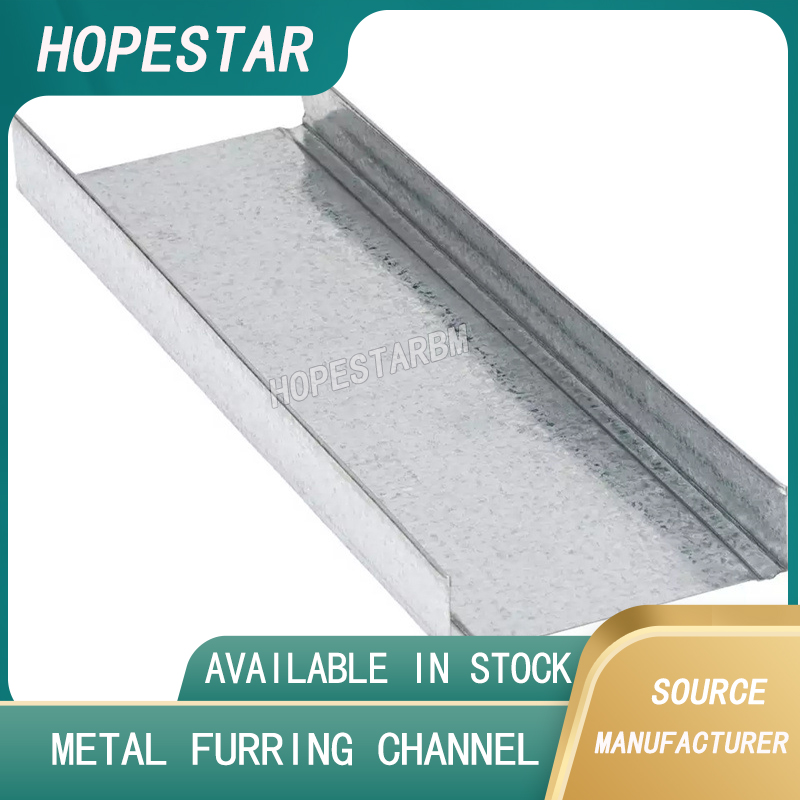
A furring channel is a thin metal channel used to create a level surface for finishing materials such as drywall, gypsum boards, or ceiling tiles. It is typically attached to concrete ceilings, masonry walls, or structural beams. The main purpose of a furring channel is to provide a stable base for finishing layers and to create space for electrical wiring, insulation, or ventilation.
In ceiling construction, furring channels are commonly used together with hangers and main channels to form a suspended ceiling grid. This system allows ceilings to be installed quickly while ensuring a smooth and even finish. Furring channels also help reduce noise and improve thermal insulation performance.
Advantages of Metal Stud and Channel Systems
Using metal stud tracks, Omega channels, C channels, U channels, and furring channels offers several advantages in construction:
-
Durability – Galvanized steel materials resist corrosion, moisture, and pests.
-
Lightweight Design – Compared with traditional wood framing, metal channels are lighter and easier to transport.
-
Easy Installation – Standardized sizes allow quick assembly and reduce labor time.
-
Fire Resistance – Steel framing materials do not burn, improving building safety.
-
Precision and Stability – Manufactured channels provide straight and uniform structures.
Applications in Modern Building Projects
These metal framing components are widely used in a variety of construction applications, including:
-
Drywall partition walls
-
Suspended ceiling systems
-
Exterior wall cladding frameworks
-
Commercial office interior construction
-
Residential building renovations
-
Industrial facility structures
Because of their flexibility and strength, metal stud track systems combined with Omega, C, U, and furring channels provide reliable support for both structural and decorative building elements.
Galvanized Steel: Anti-Corrosion, Durable and Sound-Resilient Material for Modern Construction
Galvanized Steel Nogging Track Metal Stud and Track: Features, Uses, and Benefits
Related Article