
Galvanized Steel Nogging Track Metal Stud and Track: Features, Uses, and Benefits
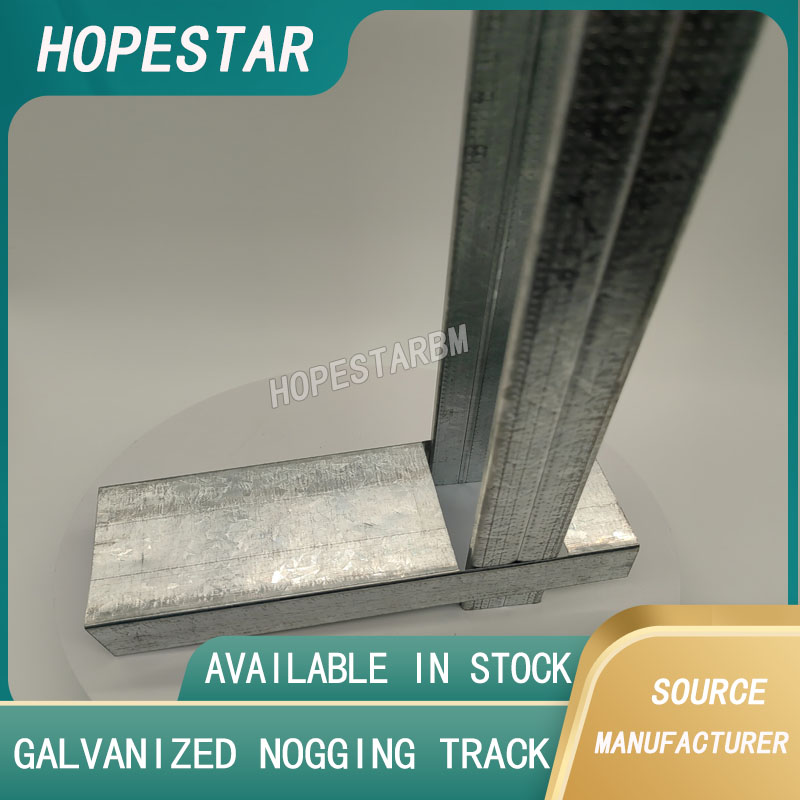
In modern construction, metal stud and track systems have become a popular alternative to traditional wood framing. Among the key components used in these systems is the galvanized steel nogging track. The galvanized steel nogging track metal stud and track system provides strong structural support, improves wall stability, and ensures precise framing for drywall installations. It is widely used in residential buildings, commercial projects, offices, and industrial construction.
What Is a Galvanized Steel Nogging Track?
A galvanized steel nogging track is a horizontal metal channel installed between vertical metal studs to provide additional reinforcement. It is typically part of a metal stud and track framing system, which consists of vertical studs and horizontal tracks used to build non-load-bearing walls, partitions, and ceiling structures.
The nogging track acts as a bracing element that connects studs and helps maintain alignment. It also provides support points for fixtures, drywall panels, or other building components. Because it is made from galvanized steel, the track offers excellent corrosion resistance and long-term durability.
In many drywall framing systems, nogging tracks are installed at specific heights between studs to increase rigidity and prevent stud twisting or bending.
Structure of Metal Stud and Track Systems
A metal stud and track system generally includes several essential components working together.
Metal Studs
Metal studs are vertical framing members used to form the structure of interior walls and partitions. They are usually made from cold-formed galvanized steel and come in different thicknesses and widths.
Tracks
Tracks are horizontal channels installed at the floor and ceiling to hold the studs in place. The studs are inserted into the tracks to create a stable frame.
Nogging Tracks
Nogging tracks are additional horizontal supports installed between studs. They reinforce the wall structure and help distribute loads evenly.
Together, these components form a strong and reliable framing system suitable for drywall installation.
Advantages of Galvanized Steel Nogging Tracks
Using galvanized steel nogging track metal stud and track systems offers many benefits in construction.
High Strength and Stability
Nogging tracks strengthen the overall frame by connecting studs together. This reduces movement and increases structural stability.
Corrosion Resistance
Because the steel is galvanized, it has a protective zinc coating that prevents rust and corrosion. This makes it suitable for long-term indoor applications.
Improved Wall Alignment
Nogging tracks help keep studs properly aligned, ensuring that drywall panels can be installed smoothly and evenly.
Lightweight but Durable
Compared with traditional wooden framing, metal stud systems are lighter yet still strong. This makes transportation, handling, and installation easier.
Fire Resistance
Steel framing materials are non-combustible, which improves the fire safety of buildings compared to wood framing.
Common Sizes and Specifications
Galvanized steel nogging tracks are manufactured in various sizes to match different metal stud systems. Common widths include 50 mm, 75 mm, and 100 mm, although other sizes are also available depending on project requirements.
The thickness of galvanized steel typically ranges from 0.4 mm to 1.2 mm, depending on the structural strength required. In most drywall partition systems, thinner gauges are used for non-load-bearing walls, while thicker gauges provide additional reinforcement.
Standard lengths may vary, but many manufacturers produce tracks in lengths of 3 meters, 3.6 meters, or 4 meters for convenient installation on construction sites.
Applications in Construction
The galvanized steel nogging track metal stud and track system is widely used in many types of building projects.
Interior Drywall Partitions
Nogging tracks reinforce stud walls used in offices, apartments, hotels, and commercial buildings.
Ceiling Framing Systems
They can also be used as additional bracing in suspended or drywall ceiling structures.
Support for Fixtures
Nogging tracks provide mounting points for cabinets, electrical boxes, shelving, or other wall-mounted equipment.
Commercial and Industrial Buildings
Because of their durability and fire resistance, galvanized steel framing systems are common in shopping centers, hospitals, and schools.
Installation of Nogging Tracks
Installing a galvanized steel nogging track is relatively simple but must follow proper construction practices.
First, measure the spacing between metal studs and cut the nogging track to the required length. The track should fit securely between the studs.
Next, position the track horizontally at the desired height. It is typically installed halfway up the wall or at locations where additional reinforcement is needed.
Finally, fasten the nogging track to the studs using self-drilling screws or metal framing screws. This creates a firm connection and ensures the stability of the wall system.
Conclusion
The galvanized steel nogging track metal stud and track system is an essential component in modern drywall framing. By reinforcing vertical studs and improving structural stability, nogging tracks help create stronger and more reliable wall systems. Their corrosion resistance, lightweight design, and fire-safe properties make them an excellent choice for residential, commercial, and industrial construction projects.
Metal Stud Track, Omega, C, and U Furring Channel: Essential Components in Modern Construction
Metal Corner Bead for Drywall Ceiling: Benefits, Types, and Installation Guide
Related Article



