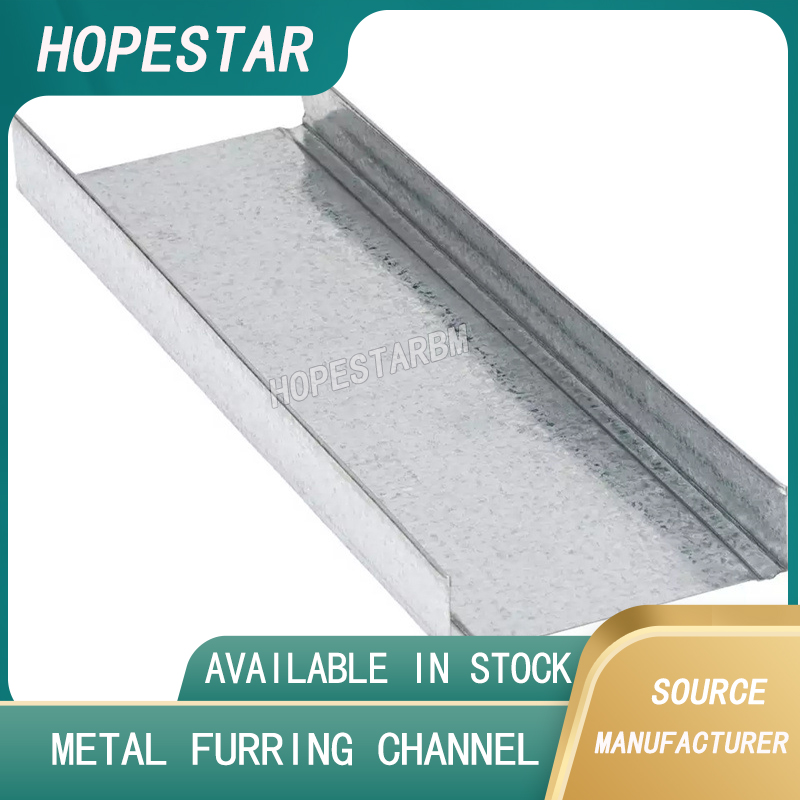
Metal Corner Bead for Drywall Ceiling: Benefits, Types, and Installation Guide
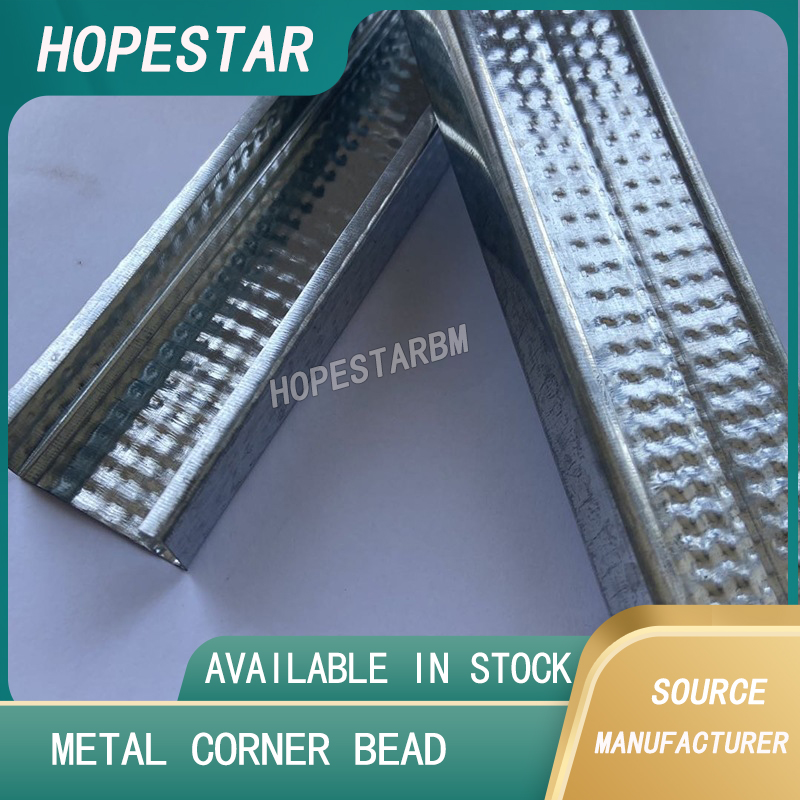
When installing a drywall ceiling, achieving clean, straight, and durable edges is essential for both appearance and long-term performance. One of the most important accessories used in drywall finishing is the metal corner bead. A metal corner bead for drywall ceiling helps protect vulnerable corners, strengthens edges, and ensures a smooth, professional finish. Whether in residential homes, offices, or commercial buildings, metal corner beads play a crucial role in drywall ceiling construction.
What Is a Metal Corner Bead for Drywall Ceiling?
A metal corner bead is a finishing trim made from galvanized steel or aluminum, designed to reinforce the outside corners of drywall panels. In drywall ceiling installations, it is commonly used where the ceiling meets walls or where soffits and bulkheads create exposed corners.
The bead typically has a rigid metal angle with perforated flanges on both sides. These perforations allow joint compound to pass through and bond tightly with the drywall surface, ensuring a secure and durable finish. Once installed and covered with joint compound, the metal corner bead becomes part of the drywall system and creates a sharp, straight edge.
Why Use Metal Corner Beads in Drywall Ceilings?
Drywall corners are prone to damage from impact, movement, or everyday wear. Without reinforcement, these edges can easily crack or chip over time. Installing a metal corner bead for drywall ceiling offers several advantages.
First, it improves structural durability. The metal reinforcement protects corners from dents and cracks, which is particularly important in high-traffic areas or commercial spaces.
Second, metal corner beads help achieve precise and professional finishing lines. Straight, clean edges improve the overall appearance of the ceiling and ensure consistent geometry throughout the room.
Third, metal corner beads simplify drywall finishing work. Because the metal angle acts as a guide, contractors can apply joint compound more evenly and sand the surface more efficiently.
Types of Metal Corner Beads for Drywall Ceilings
There are several types of metal corner beads used in drywall ceiling applications, depending on the project requirements.
Standard Metal Corner Bead
This is the most common type. It features a 90-degree angle and is typically made from galvanized steel. It is widely used for straight outside corners in drywall ceilings and walls.
Paper-Faced Metal Corner Bead
This type combines a thin metal strip with paper flanges. It provides better adhesion with joint compound and helps reduce cracking. Many drywall professionals prefer this option for smoother finishing.
Bullnose Metal Corner Bead
Bullnose corner beads create rounded corners instead of sharp angles. They are often used in modern interior designs where softer architectural lines are preferred.
Wide Flange Corner Bead
Wide flange versions offer additional surface area for compound bonding, which improves strength and reduces the chance of edge cracking.
Materials Used in Metal Corner Beads
Most metal corner beads for drywall ceilings are made from galvanized steel, which provides excellent corrosion resistance and long-term durability. The zinc coating protects the metal from rust, making it suitable for indoor environments with humidity fluctuations.
Aluminum corner beads are also available. They are lightweight and resistant to corrosion, although galvanized steel remains the most widely used option due to its strength and cost-effectiveness.
How to Install Metal Corner Bead on a Drywall Ceiling
Installing a metal corner bead is a straightforward process, but it requires careful alignment to ensure a clean finish.
First, measure and cut the corner bead to the required length using metal snips. Make sure the bead fits tightly along the corner of the drywall ceiling.
Second, position the bead along the corner and secure it using drywall nails, screws, or a stapler. Some installers also use drywall adhesive for additional bonding.
Third, apply the first layer of joint compound over both flanges of the corner bead. Press the compound through the perforations to ensure strong adhesion.
After the first coat dries, apply two or more additional coats of compound, feathering the edges outward to blend the bead smoothly with the drywall surface.
Finally, sand the dried compound lightly until the surface becomes smooth and ready for primer and paint.
Applications of Metal Corner Beads in Ceiling Systems
Metal corner beads are widely used in various drywall ceiling structures. Common applications include:
-
Drywall ceiling edges where walls and ceilings meet
-
Bulkheads and soffits
-
Drop ceilings with drywall borders
-
Decorative ceiling boxes and architectural features
-
Commercial drywall ceiling systems
Because they improve both strength and visual quality, metal corner beads are considered an essential component of modern drywall construction.
Conclusion
A metal corner bead for drywall ceiling is a small but highly important component in drywall finishing. It strengthens corners, prevents cracking, and creates crisp, professional edges that enhance the overall appearance of a ceiling system. With different types available—such as standard, paper-faced, and bullnose—contractors can choose the most suitable option for their project.
By using high-quality galvanized metal corner beads and following proper installation techniques, builders can ensure durable, long-lasting drywall ceiling corners that remain smooth and damage-free for many years.
Galvanized Steel Nogging Track Metal Stud and Track: Features, Uses, and Benefits
What Is a Metal Building Hat Channel?
Related Article