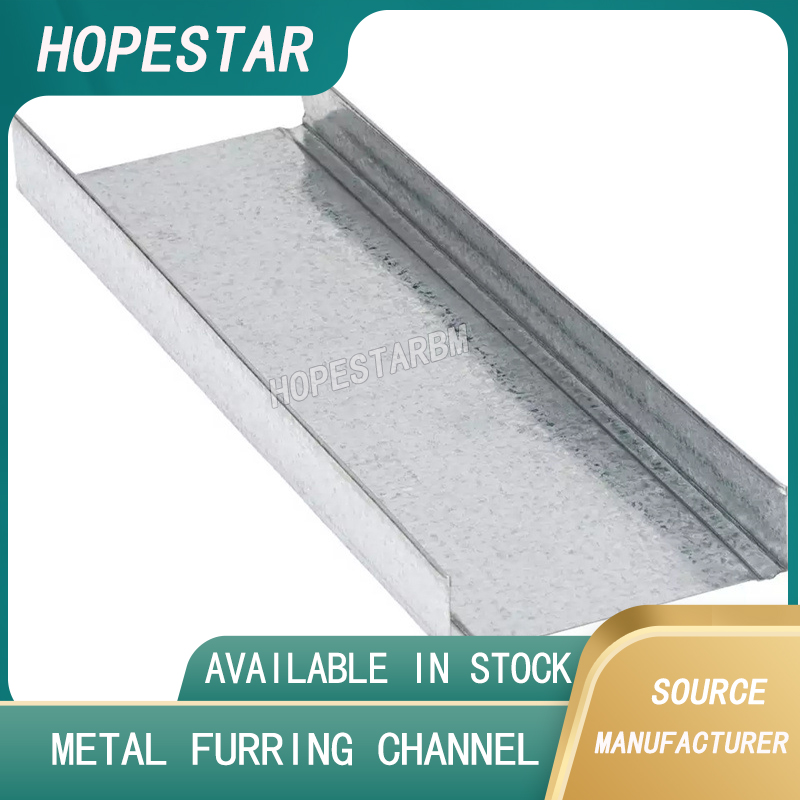
What Is a Furring Channel Used For?
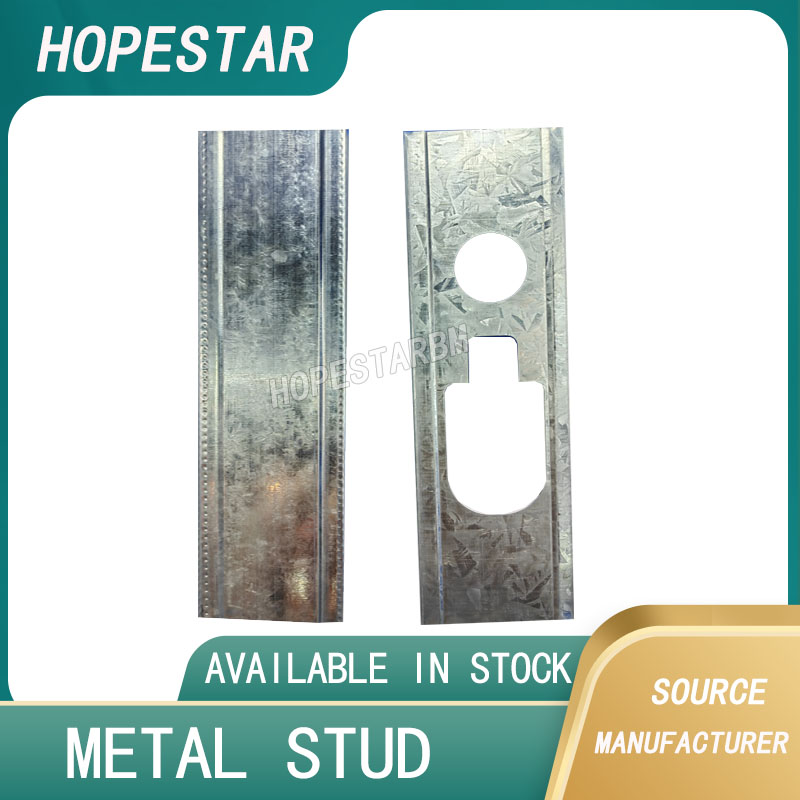
A furring channel is an essential component in modern construction, providing a framework for walls, ceilings, and cladding systems. It is a lightweight metal or sometimes wood strip installed over existing structural surfaces to create a level, stable base for finishing materials. Furring channels are widely used in both residential and commercial projects because they improve alignment, structural support, and overall finish quality.
Main Uses of Furring Channels
1. Wall Leveling and Drywall Installation
One of the primary uses of furring channels is to provide a flat, even surface over uneven walls. When attached to concrete, masonry, or steel surfaces, furring channels allow contractors to install drywall, gypsum boards, or plasterboard efficiently. This ensures a smooth finish, eliminates gaps, and simplifies painting or decorative work.
2. Ceiling Systems
Furring channels are commonly used in suspended ceiling applications. They provide a sturdy framework to attach panels, acoustic tiles, or lightweight ceilings. The channel system helps maintain a uniform plane, prevents sagging, and allows easy integration of lighting or HVAC components.
3. Exterior Cladding and Siding
Furring channels are also used in exterior wall systems to attach siding, metal panels, or composite cladding. By creating a small air gap between the structural wall and the outer material, they enhance ventilation, reduce moisture buildup, and improve the longevity of exterior finishes.
4. Insulation Support
The cavity formed by furring channels provides space for insulation materials. This is particularly useful in energy-efficient construction, as it allows for continuous insulation, reduces thermal bridging, and improves the building’s overall energy performance.
5. Soundproofing and Fire Protection
Furring channels are often integrated into acoustic wall or ceiling assemblies. When combined with resilient clips or insulation, they help reduce sound transmission between rooms. Metal furring channels also contribute to fire safety, as they do not burn and can support fire-rated drywall assemblies.
Advantages of Using Furring Channels
-
Durability: Galvanized steel channels resist corrosion and maintain strength over time.
-
Ease of Installation: Standardized lengths and profiles simplify construction.
-
Versatility: Compatible with different finishes, insulation, and acoustic systems.
-
Precision: Provides perfectly level surfaces for high-quality finishes.
Standard Sizes and Installation
Furring channels are available in various lengths, typically ranging from 8 to 12 feet, and in different gauges to support different loads. Installation requires proper spacing and fastening with screws or clips according to manufacturer guidelines to ensure stability and performance.
Conclusion
Furring channels are crucial in modern construction for leveling walls, supporting ceilings, attaching cladding, and integrating insulation or acoustic systems. By providing a stable, level framework, they ensure high-quality finishes, structural integrity, and long-lasting performance in residential, commercial, and industrial projects.
Can Hat Channel Be Used for Ceilings?
How Long Is the Metal Furring?
Related Article