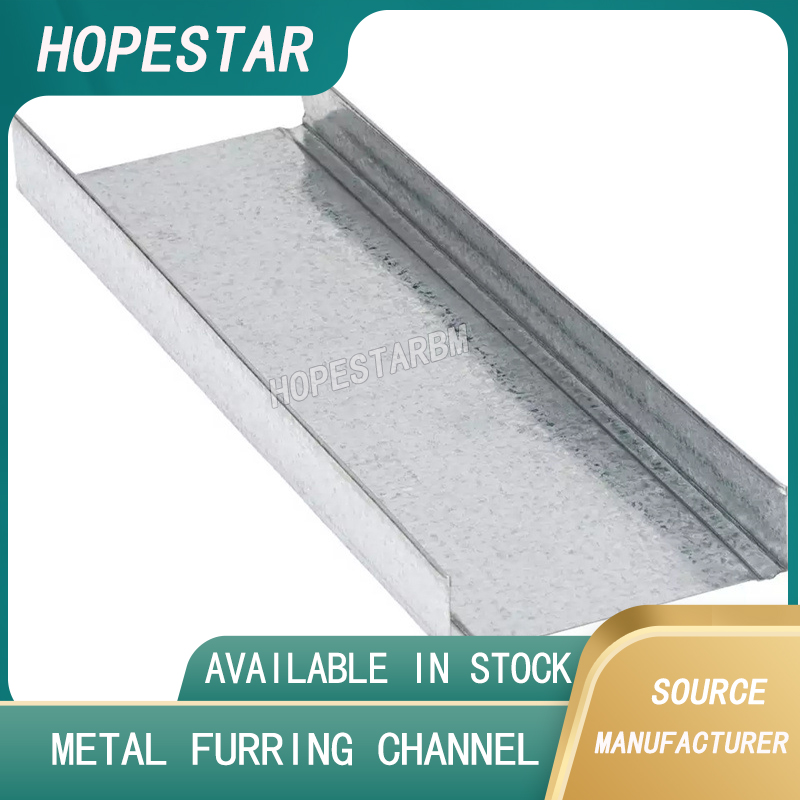
How Long Is the Metal Furring?

Metal furring is an essential component in modern construction, used to create level surfaces for walls, ceilings, and cladding. When planning a project, one of the most common questions contractors ask is: “How long is the metal furring?” Understanding the standard lengths, customization options, and installation practices is key to efficient construction and a professional finish.
Standard Lengths of Metal Furring
Metal furring channels, whether they are hat channels, Z channels, or standard furring strips, are commonly available in lengths ranging from 8 feet (2.44 meters) to 12 feet (3.66 meters). These lengths are ideal for most residential and commercial projects, minimizing the number of splices required and simplifying installation.
Some manufacturers also offer longer lengths up to 20 feet (6 meters) for industrial applications or large-scale projects. Longer furring channels reduce the need for joints and provide a more continuous framework, which is particularly useful in long wall runs or expansive ceiling areas.
Custom Lengths for Specific Projects
In addition to standard lengths, many suppliers provide custom-cut metal furring to match exact project requirements. Custom lengths help reduce waste, improve material efficiency, and make installation faster, especially in irregularly shaped spaces. Contractors can often order pre-cut channels based on the dimensions provided in the architectural plans.
Factors Affecting Metal Furring Length
When selecting the appropriate furring length, consider:
-
Wall or Ceiling Height – Taller walls may require multiple lengths joined together.
-
Material Type – Hat channels, Z channels, and resilient channels may have different standard lengths depending on their manufacturer.
-
Installation Method – Direct-fix applications or suspended ceiling systems may influence the optimal channel length.
-
Transportation and Handling – Longer channels are more difficult to transport and handle on-site, so practical logistics must be considered.
Advantages of Using Standard Lengths
Using standard-length metal furring has several benefits:
-
Faster Installation – Less cutting and fewer joints reduce labor time.
-
Structural Integrity – Fewer splices create a stronger and more stable framework.
-
Cost Efficiency – Standard lengths are generally more economical and readily available.
Tips for Installation
-
Always measure wall and ceiling dimensions before selecting furring lengths.
-
Overlap joints properly if multiple lengths are required to maintain strength.
-
Use appropriate fasteners and clips to secure the furring channels according to manufacturer guidelines.
Conclusion
Metal furring is typically available in standard lengths of 8 to 12 feet, with longer or custom lengths available for specific projects. Understanding the length options and planning accordingly ensures a smooth, efficient, and durable installation for walls, ceilings, and cladding systems. By selecting the right furring lengths, contractors can optimize material usage, reduce installation time, and achieve a professional finish in modern construction projects.
What Is a Furring Channel Used For?
What Are the Standard Sizes of Z Channel?
Related Article